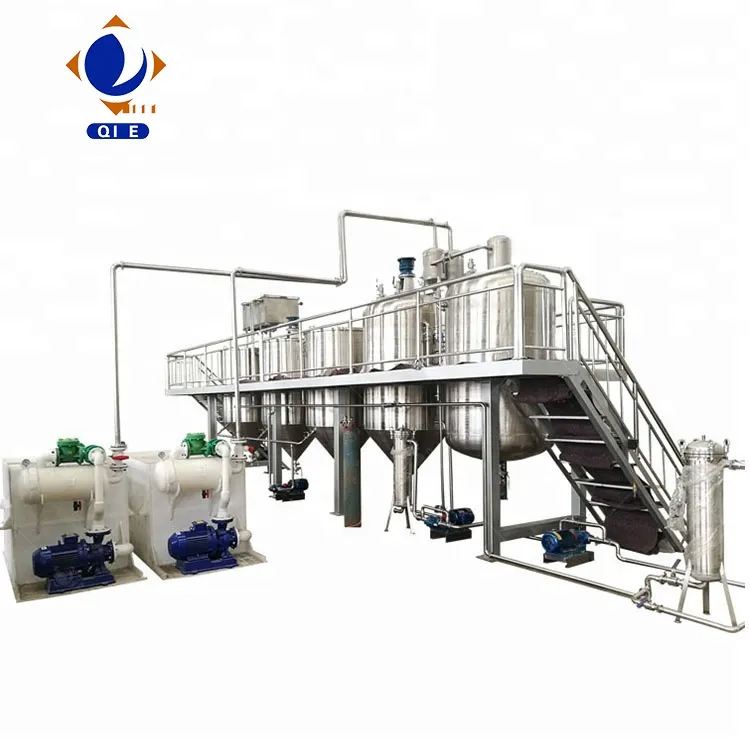
In various industrial and domestic environments, the need for efficient dust removal in wet and dry mixed conditions is increasingly prominent. This article aims to provide a comprehensive guide to help users select the most suitable wet and dry vacuum cleaner by analyzing key technical parameters and application scenarios.
The performance and durability of a wet and dry vacuum cleaner are largely determined by several core technical parameters.
The motor is the heart of the vacuum cleaner. A high - quality motor with a proper protection class can ensure long - term stable operation. For example, in a workshop environment with metal debris and occasional water splashes, a motor with an IP54 or higher protection class can effectively prevent the entry of dust and water, reducing the risk of motor damage and extending its service life. Compared with a motor with a lower protection class, the failure rate of a motor with a high protection class can be reduced by about 30%.
The material and sealing of the dust collection bucket are crucial for preventing dust leakage. A dust collection bucket made of high - strength plastic or stainless steel is more durable and resistant to corrosion. Good sealing performance can ensure that the collected dust and liquid do not leak out, maintaining a clean working environment. For instance, in a kitchen environment with oil stains, a dust collection bucket with excellent sealing can effectively prevent the smell of oil from spreading.
In wet and dry mixed environments, the filtration system needs to have good wet - support capability. A high - performance filtration system can effectively filter out fine dust particles and prevent them from being re - emitted into the air. For example, in a high - humidity environment, a filtration system with a special wet - proof design can maintain its filtering efficiency, and its filtration efficiency can reach over 99% for particles larger than 0.3 microns.
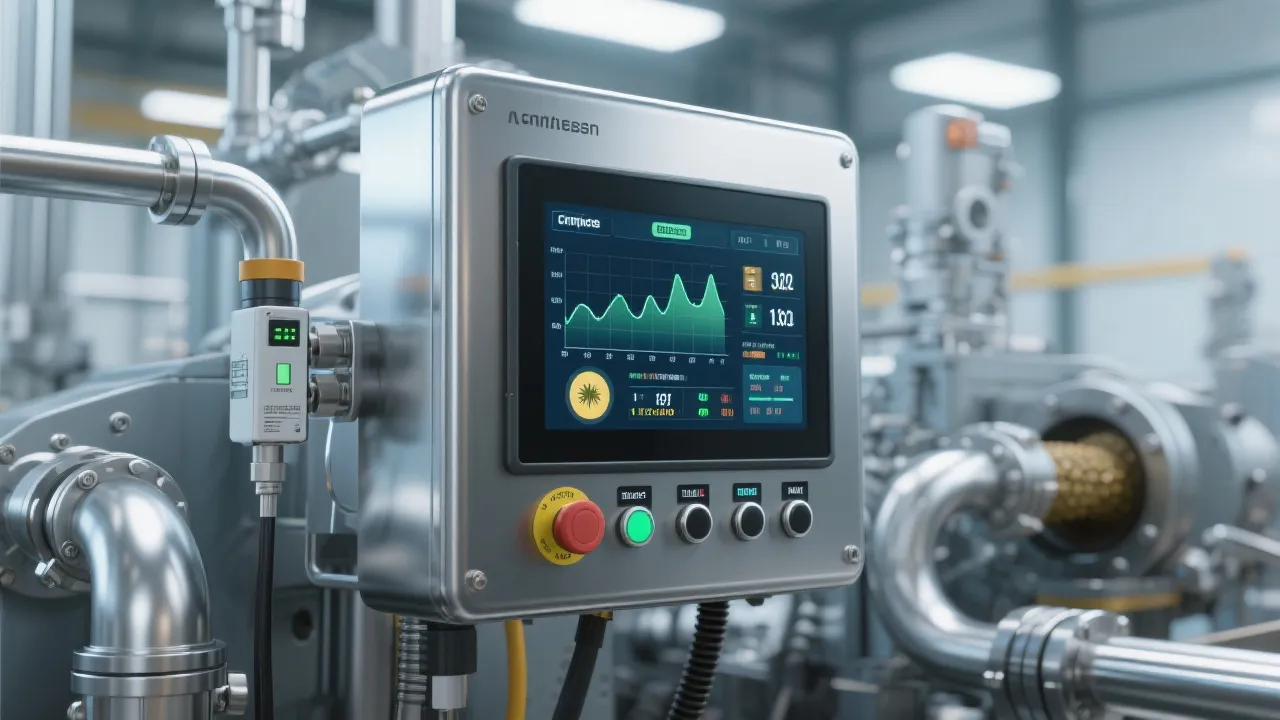
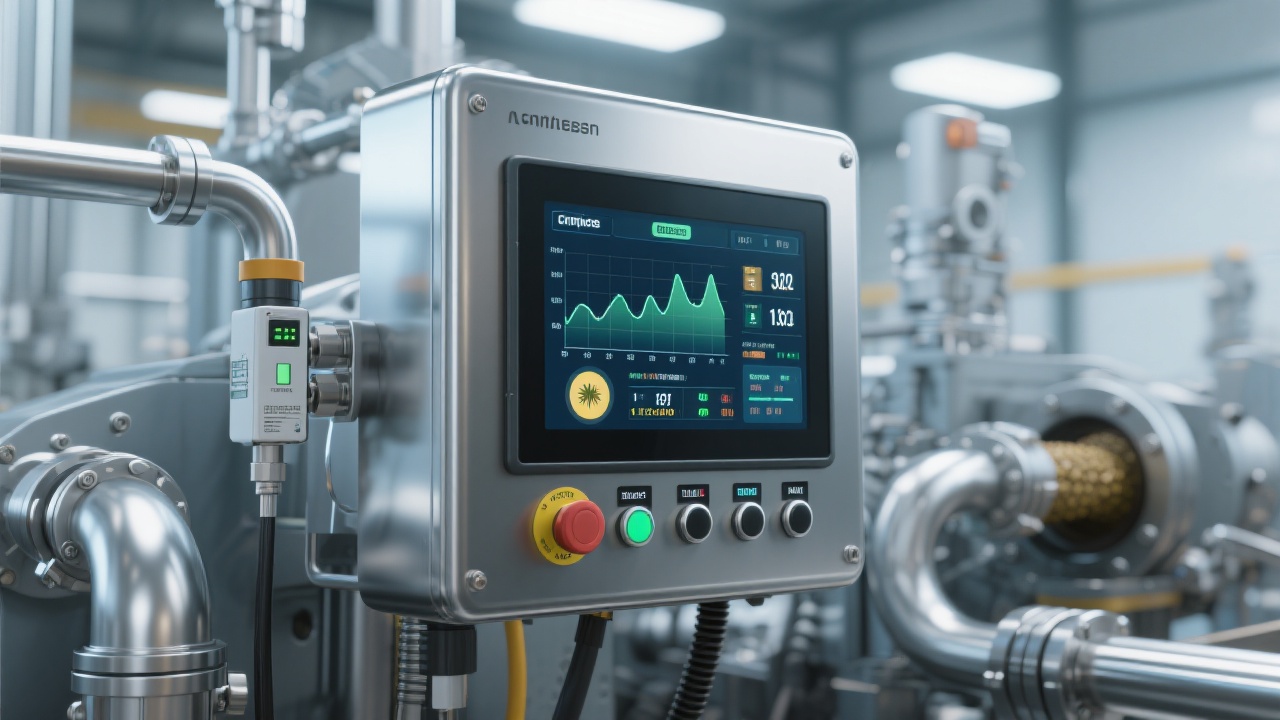
Drawing on the equipment selection experience in the oil processing industry, the PLC intelligent control system has significant advantages in ensuring the continuous and stable operation of wet and dry vacuum cleaners. This system can automatically adjust the suction power according to the working conditions, reducing energy consumption and equipment wear. For example, when the dust in the dust collection bucket reaches a certain level, the system can automatically prompt for cleaning, improving work efficiency.
In different application scenarios, such as kitchens with oil stains and workshops with metal debris, the operation points and common fault troubleshooting methods of wet and dry vacuum cleaners are different.
In the kitchen, the main task of the vacuum cleaner is to clean up oil stains and food residues. It is recommended to choose a vacuum cleaner with anti - oil and easy - to - clean features. Common faults may include blockages in the suction pipe due to food residues. In this case, the suction pipe can be removed and cleaned with water.
In the workshop, the vacuum cleaner needs to deal with metal debris, dust and occasional water. The key is to ensure the motor protection and the dust collection bucket sealing. If the motor overheats, it may be due to excessive dust accumulation in the motor, and the motor needs to be disassembled and cleaned.
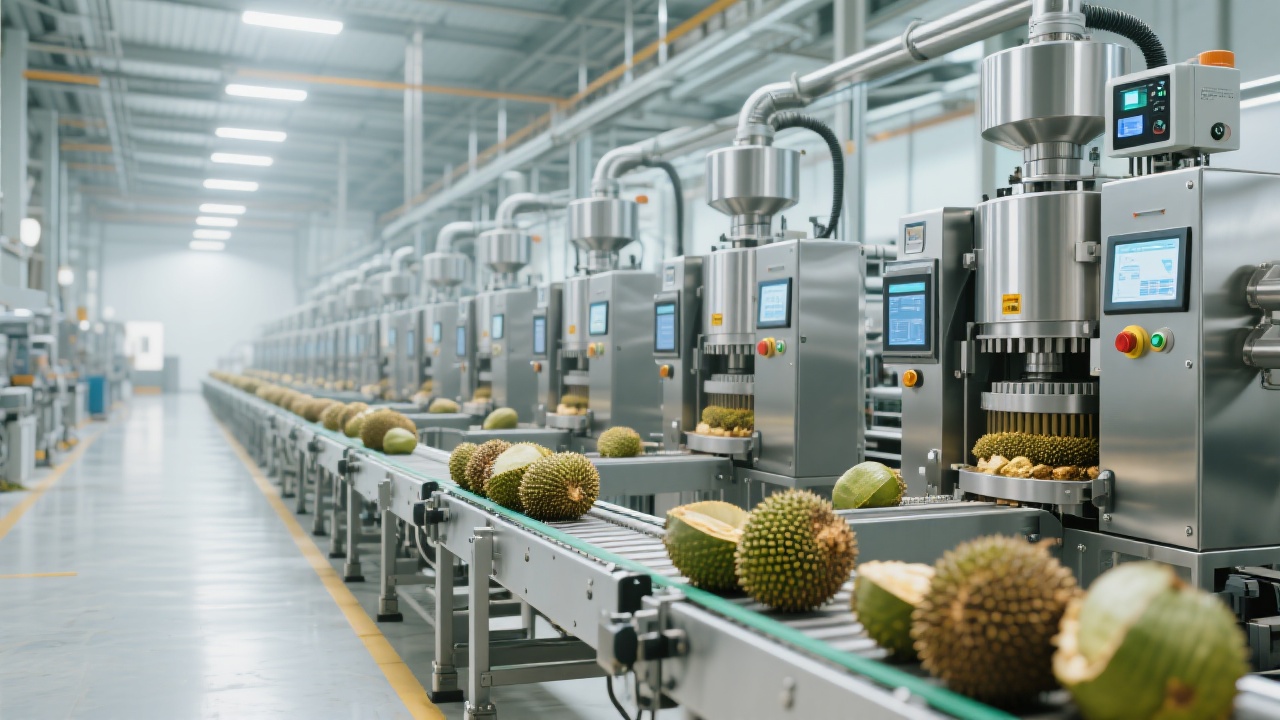
QIE Group wet and dry vacuum cleaners are equipped with advanced PLC intelligent control systems, ensuring stable performance and high efficiency in various complex environments. Our products have excellent motor protection, high - quality dust collection buckets and reliable filtration systems. Moreover, we offer comprehensive after - sales service, which can give you peace of mind throughout the use of the product.
 automated palm oil processing equipment
palm fruit pressing technology
palm kernel degumming process
food safety sterilization in oil refining
ISO9001 quality management in oil processing
palm oil sterilization process
food-grade stainless steel equipment
palm oil automation equipment
small scale palm oil processing
palm oil production efficiency
Southeast Asian palm oil factory
hot and cold pressing process
automated production line
quality control
environmental protection and energy - saving technology
palm oil production line automation
PLC control system
smart factory solutions
energy-efficient oil processing
industrial automation in agriculture
palm oil processing parameters
temperature control in oil refining
ISO9001 quality management in palm oil
small scale palm oil production
food safety in palm oil processing
automated palm oil processing equipment
palm fruit pressing technology
palm kernel degumming process
food safety sterilization in oil refining
ISO9001 quality management in oil processing
palm oil sterilization process
food-grade stainless steel equipment
palm oil automation equipment
small scale palm oil processing
palm oil production efficiency
Southeast Asian palm oil factory
hot and cold pressing process
automated production line
quality control
environmental protection and energy - saving technology
palm oil production line automation
PLC control system
smart factory solutions
energy-efficient oil processing
industrial automation in agriculture
palm oil processing parameters
temperature control in oil refining
ISO9001 quality management in palm oil
small scale palm oil production
food safety in palm oil processing






.png?x-oss-process=image/resize,h_100,m_lfit/format,webp)
.png?x-oss-process=image/resize,h_100,m_lfit/format,webp)
.png?x-oss-process=image/resize,h_100,m_lfit/format,webp)