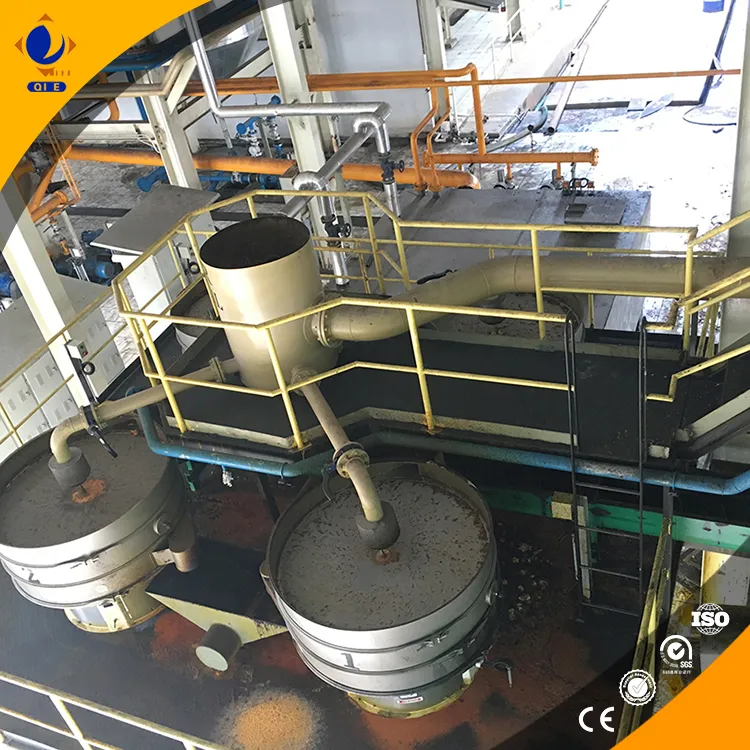
In 2023, Southeast Asia produced over 60% of the world’s palm oil—more than 70 million metric tons—with Indonesia and Malaysia leading the market. As global buyers demand food-grade compliance and sustainability credentials, new factories must balance efficiency, environmental responsibility, and profitability from day one.
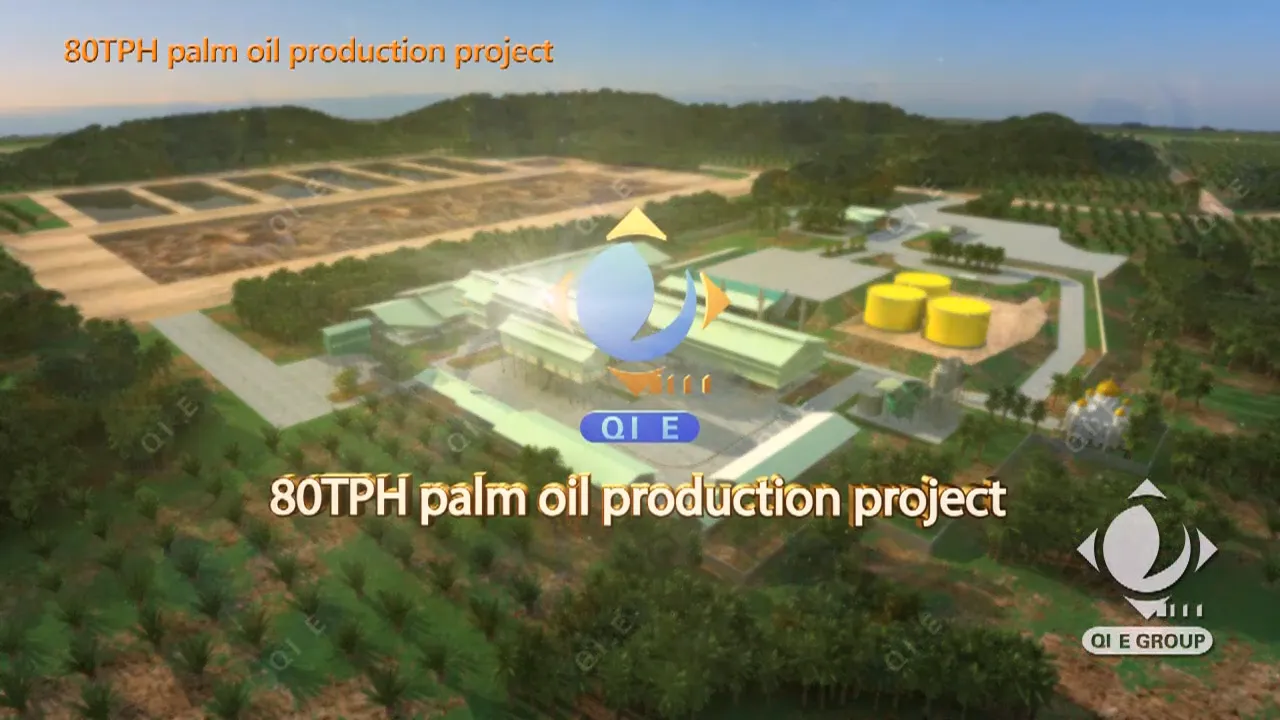
A successful palm oil mill in Malaysia that processes 300 tons per day reported a 15% reduction in energy costs after optimizing its location near water sources and using local labor pools. The right site reduces transportation and utility expenses by up to 20%, according to industry benchmarks.
When choosing between cold press (25–35°C) and hot press (70–85°C), consider your target market:
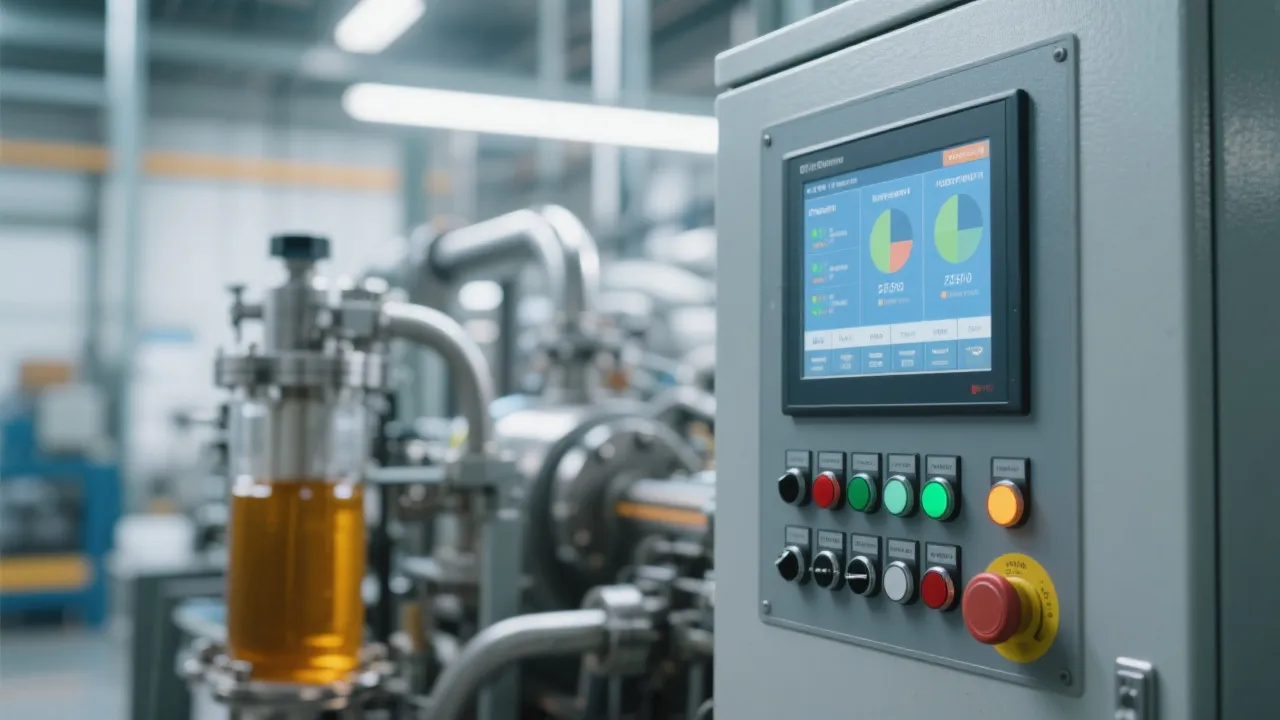
Modern PLC-based control systems reduce manual errors by 40% and allow remote monitoring across multiple sites. A Thai processor with 3 automated lines saw a 30% drop in downtime within six months post-installation—a key factor in maintaining consistent oil quality for EU and US importers.
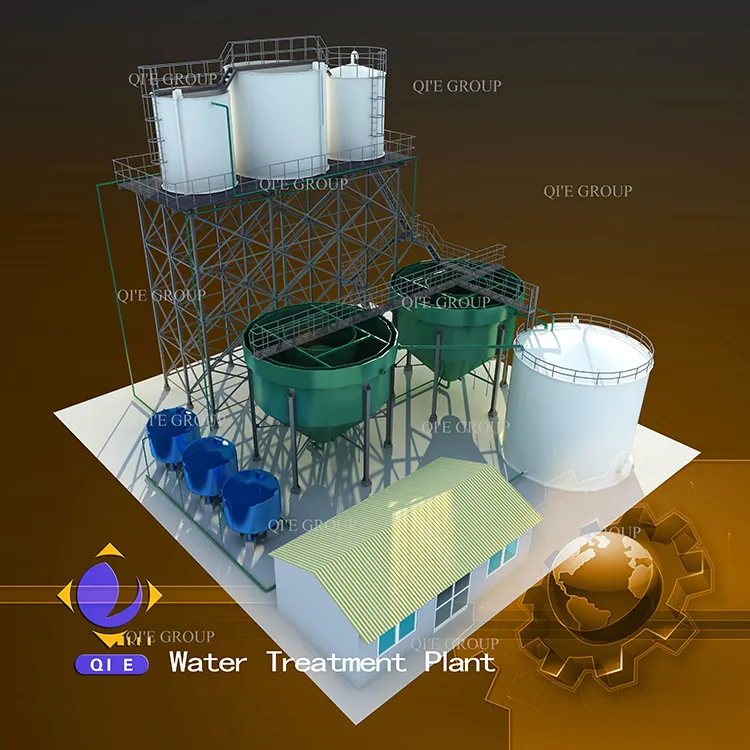
Effective wastewater treatment using anaerobic digesters can cut COD levels from 50,000 mg/L to under 1,000 mg/L—meeting Malaysian DOH standards. Real-time energy dashboards (like those integrated into Siemens or Schneider platforms) help operators adjust operations daily, reducing kWh/ton by up to 12%.
Certifications such as RSPO or ISO 14001 aren’t just box-ticking—they’re gateways to premium contracts. One Indonesian mill secured a $2M/year contract with a European brand after achieving RSPO certification within 18 months of startup.
Implement a tiered training program: basic operators learn safety and machine handling; mid-level staff handle process adjustments; senior engineers manage data analytics and troubleshooting. This structure cuts defects by up to 25% and boosts overall yield consistency.
Download our free guide: “Common Mistakes in Southeast Asian Palm Oil Plant Startups & How to Avoid Them” — packed with real-world insights from 12 operational mills across Indonesia, Malaysia, and Thailand.
Get the Free Checklist →The future of palm oil isn't just about volume—it's about smarter, cleaner, and more resilient production. Whether you're planning a greenfield project or upgrading an existing facility, these strategies will help you stay ahead of regulations, meet buyer expectations, and build long-term value.

 palm oil processing equipment
advanced sterilization technology
food - grade stainless - steel equipment
palm fruit refining process
low - energy and high - efficiency production
automatic palm oil processing equipment
small-scale palm oil production line
low energy consumption palm oil production
temperature control in palm oil processing
food safety sterilization technology
oilseed processing equipment warranty
automated粮油 equipment maintenance
global equipment service network
oilseed plant operating costs
equipment lifecycle cost analysis
palm oil automation equipment
small scale palm oil processing
palm oil sterilization process
palm oil processing maintenance
automated oilseed machinery
palm oil factory construction
fully automated palm oil production
cold and hot pressing process
palm oil production Southeast Asia
PLC control system
palm oil processing equipment
advanced sterilization technology
food - grade stainless - steel equipment
palm fruit refining process
low - energy and high - efficiency production
automatic palm oil processing equipment
small-scale palm oil production line
low energy consumption palm oil production
temperature control in palm oil processing
food safety sterilization technology
oilseed processing equipment warranty
automated粮油 equipment maintenance
global equipment service network
oilseed plant operating costs
equipment lifecycle cost analysis
palm oil automation equipment
small scale palm oil processing
palm oil sterilization process
palm oil processing maintenance
automated oilseed machinery
palm oil factory construction
fully automated palm oil production
cold and hot pressing process
palm oil production Southeast Asia
PLC control system







.png?x-oss-process=image/resize,h_100,m_lfit/format,webp)
.png?x-oss-process=image/resize,h_100,m_lfit/format,webp)
.png?x-oss-process=image/resize,h_100,m_lfit/format,webp)