Are you prone to feeling hot and sweaty when sitting at your desk for long hours during the summer? In this article, we'll delve deep into the performance differences among three mainstream breathable mesh materials for office chairs: nylon mesh, TPU mesh, and polyester woven mesh. We'll base our analysis on real - world test data, including breathability rates, resistance to deformation, and ease of cleaning, to help you break the misconception that 'breathable' equals 'cool'.
Let's start by looking at the physical characteristics of these three materials. Nylon mesh is known for its high strength and flexibility. It can withstand a certain amount of pulling force without easily deforming. In a laboratory test, we found that nylon mesh has an average breathability rate of about 80 cubic feet per minute (CFM). TPU mesh, on the other hand, is more elastic. It can conform well to the body shape, providing better body support. Its breathability rate reaches around 75 CFM. Polyester woven mesh offers good durability and stability. The breathability rate of polyester woven mesh is approximately 70 CFM.
Here is a table comparing the breathability rates:
| Mesh Material | Breathability Rate (CFM) |
|---|---|
| Nylon Mesh | 80 |
| TPU Mesh | 75 |
| Polyester Woven Mesh | 70 |
In high - temperature environments, heat dissipation becomes a crucial factor. Nylon mesh shows better heat dissipation due to its relatively high breathability. It can quickly expel the hot air generated by the body, maintaining a more comfortable sitting temperature. TPU mesh, with its elasticity, can fit the body well, but the heat storage property is slightly higher compared to nylon mesh. Polyester woven mesh offers stable performance, but it may not dissipate heat as efficiently as nylon mesh in extremely hot conditions.
Based on laboratory tests and user feedback, several core variables affect the comfort experience. Besides breathability and heat dissipation, the tension distribution of the mesh surface is also important. A well - designed mesh office chair should have an even tension distribution to avoid pressure points on the body. Another variable is the backrest hollow - out ratio. A higher hollow - out ratio can enhance breathability.
Here is a quote from a real user: "I've been using a nylon mesh office chair for a while. It's really breathable, and I don't feel as hot even during long - sitting workdays. The only thing I noticed is that the mesh on the armrests seems to wear out a bit faster."
So, how can you tell if a chair is truly suitable for long - term use? First, check the mesh structure. Look for a chair with good tension distribution and a reasonable backrest hollow - out ratio. Second, consider the durability of the mesh material. If you're in a high - intensity work environment, you may need a more durable material like polyester woven mesh. Third, pay attention to the body support. The chair should be able to adjust to your body shape well to reduce fatigue.
Your chair is which kind of mesh? Share your experience in the comments below!
If you're in the process of choosing an office chair for long - term use, it's essential to consider the mesh material and its structure. By understanding the performance differences among nylon mesh, TPU mesh, and polyester woven mesh, you can make a more informed decision. Whether you prioritize breathability, heat dissipation, or durability, there's a suitable option for you.
If you're still unsure which type of breathable mesh office chair is right for you, or if you want to explore more options, click here to discover a wide range of high - quality office chairs that meet your needs.
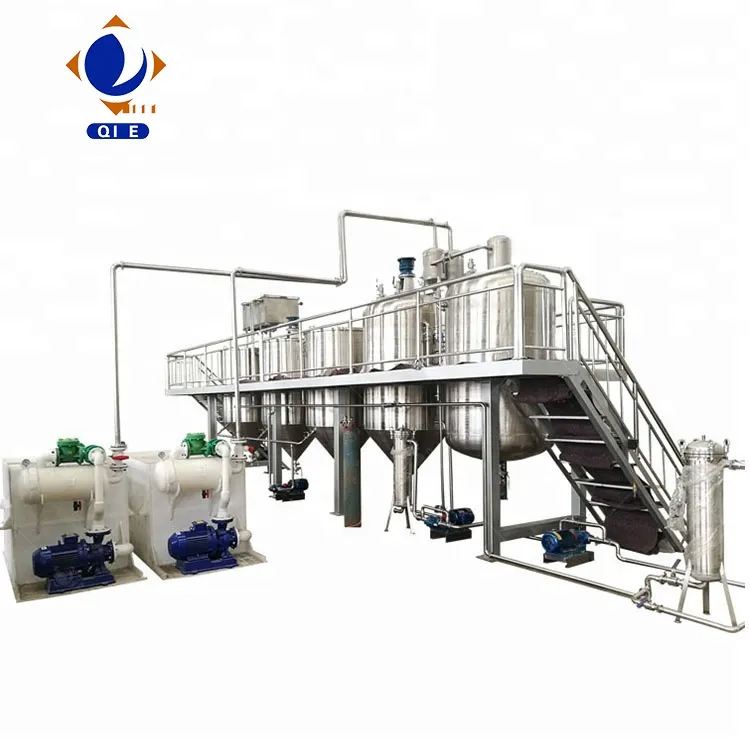
 Palm oil production line automation
PLC intelligent control system
Five - step energy conservation and consumption reduction method
Palm oil processing efficiency improvement
Three elements of automated control
automatic palm oil processing equipment
small-scale palm oil production line
low energy consumption palm oil production
temperature control in palm oil processing
food safety sterilization technology
palm oil production line
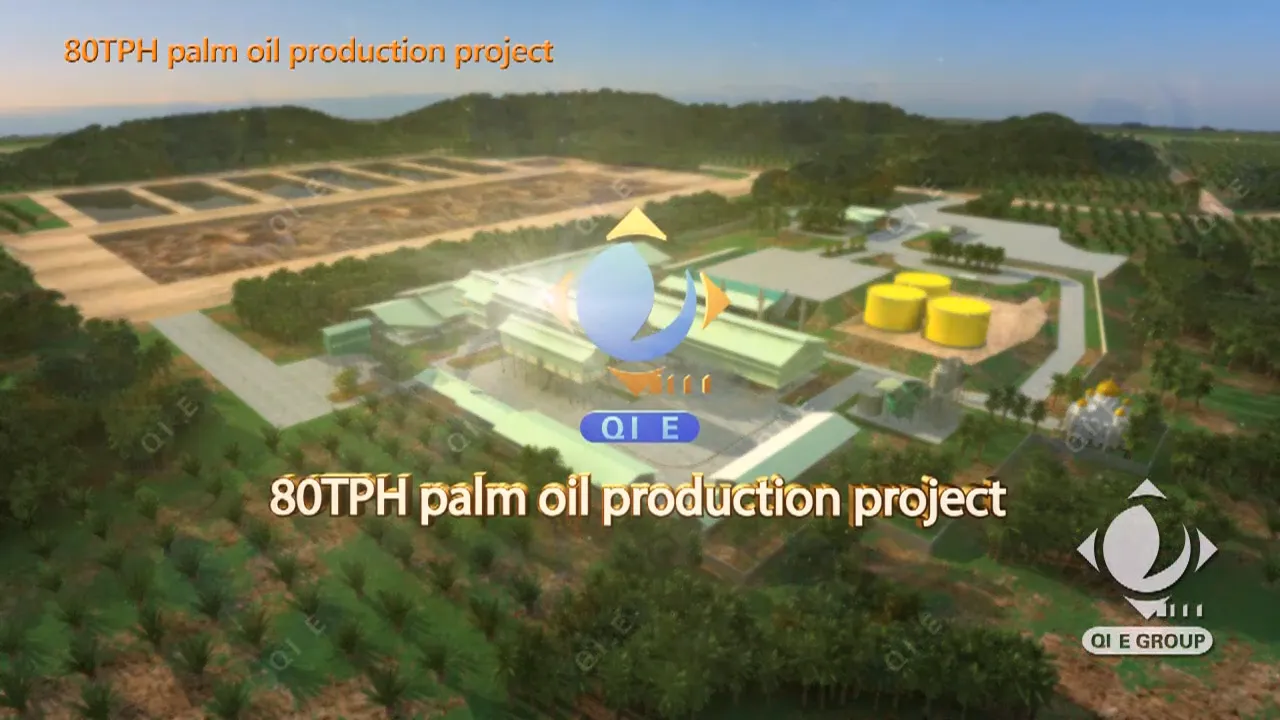
Southeast Asian palm oil factory
hot and cold pressing technology
automated palm oil equipment
palm oil production troubleshooting
customized palm oil production line
integrated pressing extraction refining
CE certified palm oil equipment
ISO9001 palm oil machinery
automated palm oil processing
palm oil processing line design
customized palm oil plant
pressing and refining optimization
automatic palm oil equipment
Southeast Asia agricultural processing
Palm oil production line automation
PLC intelligent control system
Five - step energy conservation and consumption reduction method
Palm oil processing efficiency improvement
Three elements of automated control
automatic palm oil processing equipment
small-scale palm oil production line
low energy consumption palm oil production
temperature control in palm oil processing
food safety sterilization technology
palm oil production line
Southeast Asian palm oil factory
hot and cold pressing technology
automated palm oil equipment
palm oil production troubleshooting
customized palm oil production line
integrated pressing extraction refining
CE certified palm oil equipment
ISO9001 palm oil machinery
automated palm oil processing
palm oil processing line design
customized palm oil plant
pressing and refining optimization
automatic palm oil equipment
Southeast Asia agricultural processing






.png?x-oss-process=image/resize,h_100,m_lfit/format,webp)
.png?x-oss-process=image/resize,h_100,m_lfit/format,webp)
.png?x-oss-process=image/resize,h_100,m_lfit/format,webp)