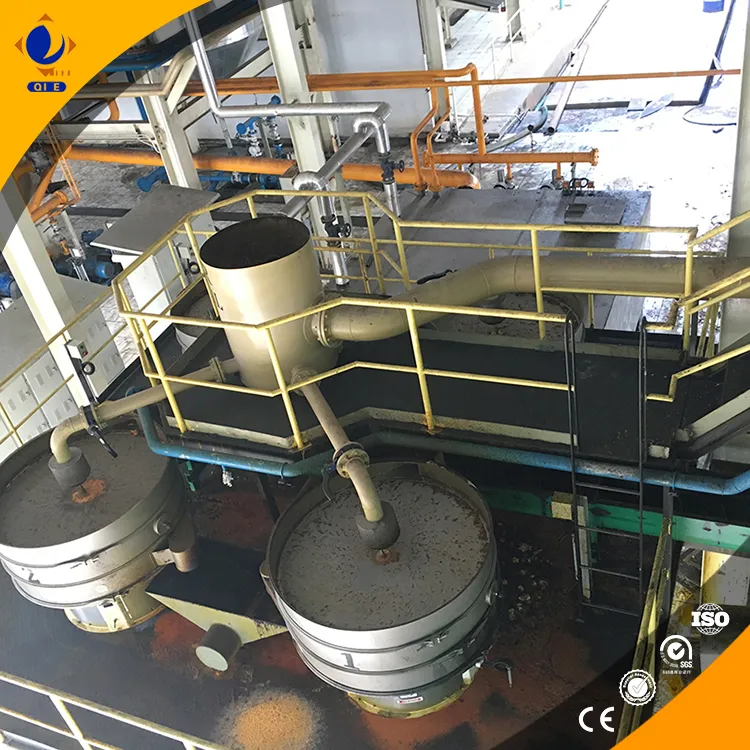
Southeast Asia stands as a global powerhouse in palm oil production, accounting for over 85% of the world's total palm oil output. In recent years, the region has witnessed a consistent upward trend in palm oil production. For instance, from 2015 to 2020, the annual production in Southeast Asia increased from 50 million tons to 60 million tons, with an average annual growth rate of about 3.7%. This growth is mainly driven by the increasing global demand for palm oil in various industries, such as food, cosmetics, and biofuels.
Selecting the right location for a palm oil factory is crucial. It should be close to palm oil plantations to reduce transportation costs. According to industry data, for every 100 kilometers of transportation distance, the cost per ton of palm fruit increases by about $5. Additionally, the site should have access to reliable water and electricity supplies and be in compliance with local environmental regulations.
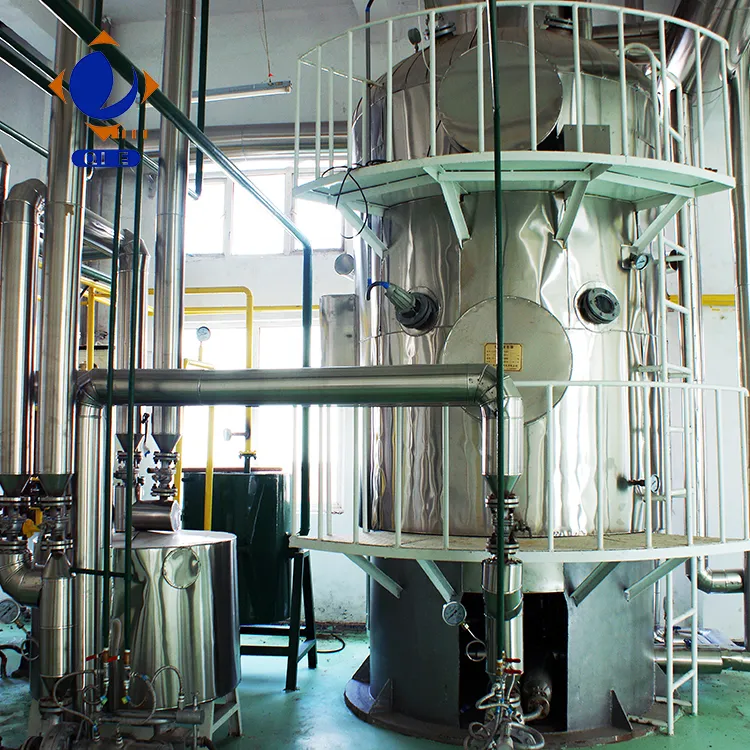
The choice of equipment directly affects the efficiency and quality of palm oil production. When selecting equipment, factors such as production capacity, energy consumption, and maintenance requirements should be considered. For example, an automated palm oil press with a production capacity of 10 tons per hour may cost about $100,000, while a less - efficient manual press with the same capacity may cost only $50,000 but consume more energy and require more labor.
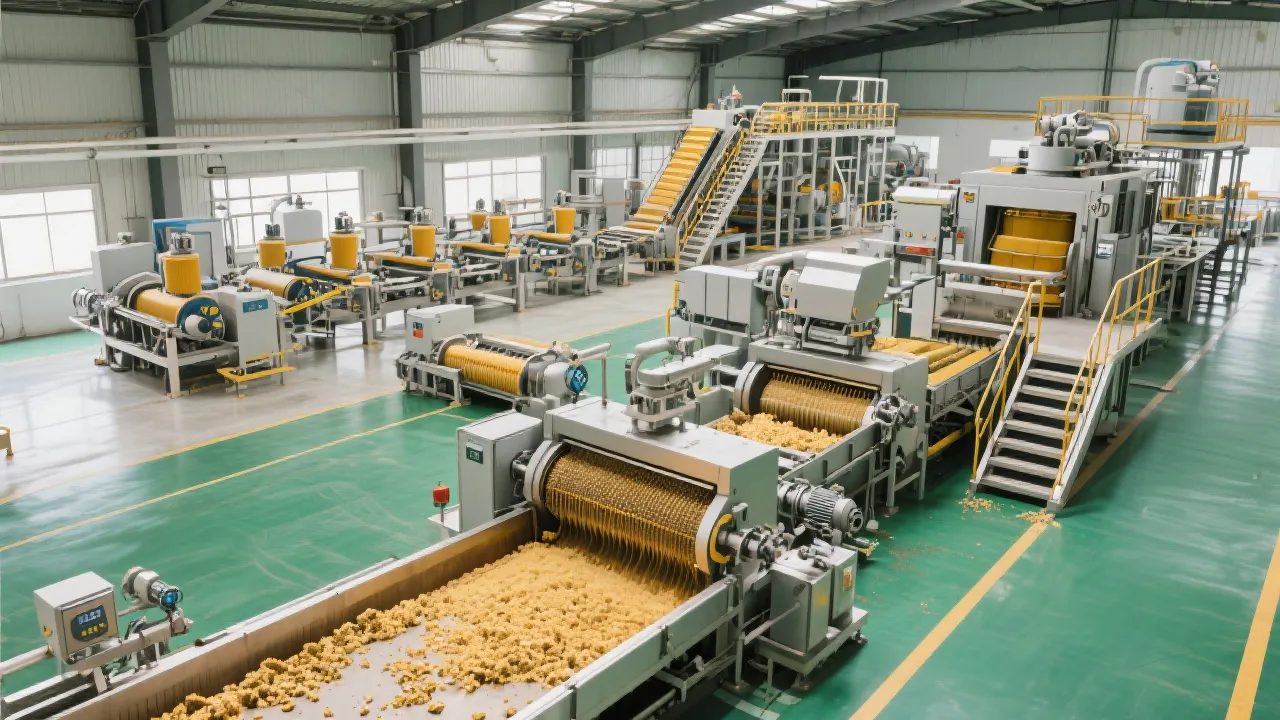
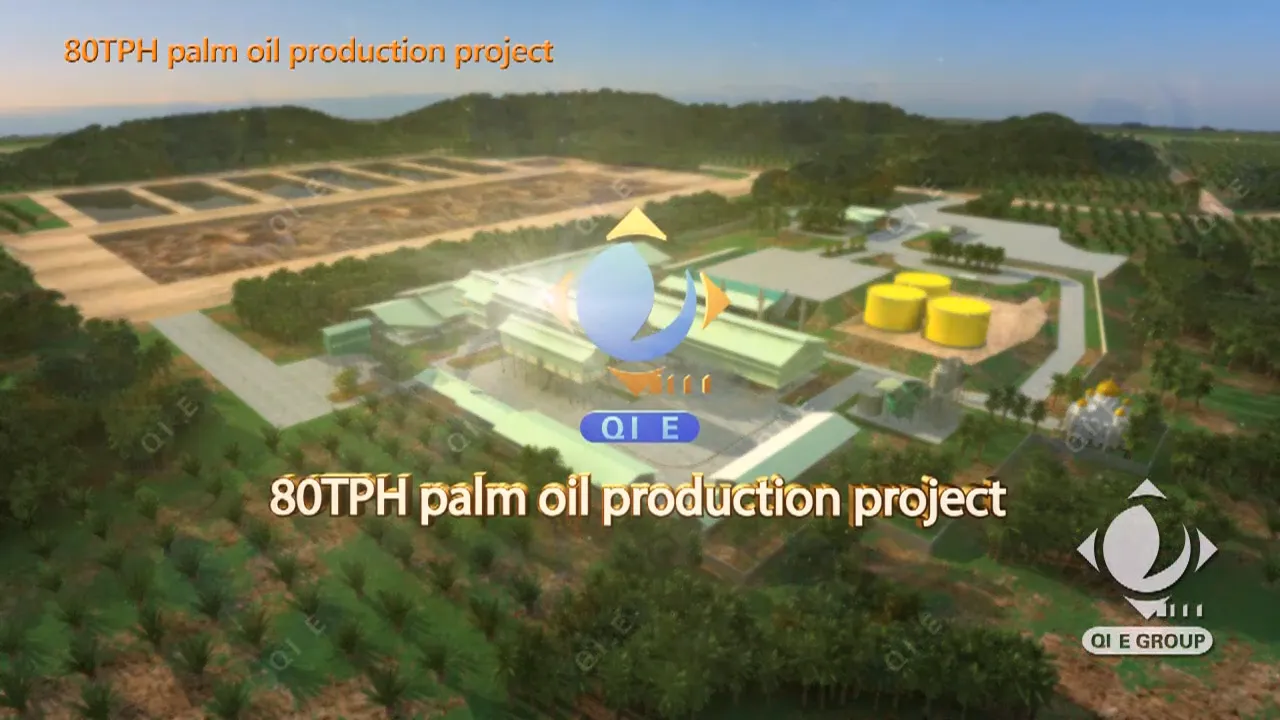
A well - designed production line layout can improve the flow of materials and reduce production time. The process design should be optimized according to the type of palm oil products to be produced. For example, if the target is to produce high - quality refined palm oil, a more complex refining process may be required.
Cold pressing is suitable for producing high - quality palm oil products, such as virgin palm oil, as it can preserve the natural nutrients and flavors of the oil. However, the oil yield of cold pressing is relatively low, usually around 18 - 22%. Hot pressing, on the other hand, can achieve a higher oil yield, up to 24 - 28%, but may damage some of the nutrients in the oil. Different types of palm oil, such as primary, secondary palm oil, and red oil, require different pressing processes to achieve the best results.
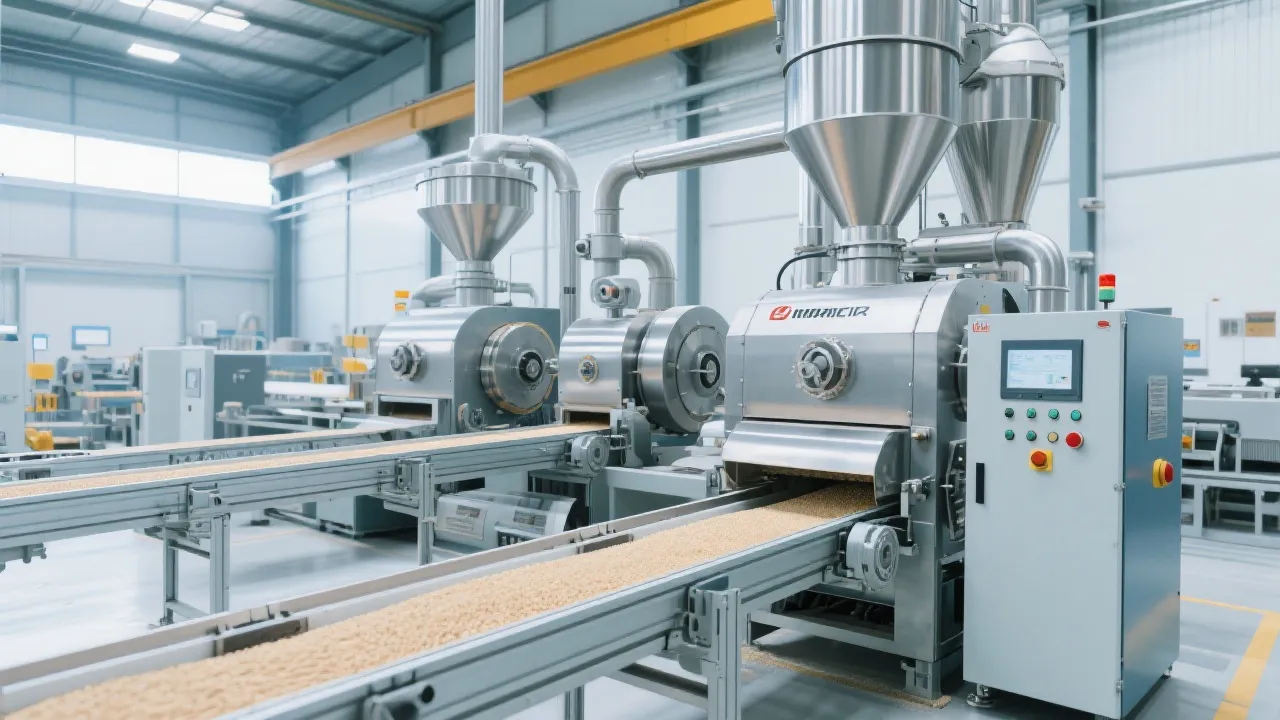
Qiee Group's automated palm oil production line is equipped with a PLC intelligent control system. This system can monitor and control the entire production process in real - time, ensuring stable operation and energy conservation. For example, it can adjust the temperature and pressure of the pressing process according to the quality of the palm fruit, reducing energy consumption by about 15 - 20%. Moreover, the system enhances the safety and stability of the production line, reducing the risk of equipment failure.
Quality control is essential for palm oil production. Strict quality control measures should be implemented at every stage of production, from raw material inspection to finished product testing. Personnel training is also crucial. Qiee Group provides a graded training system for employees, including basic operation training, advanced technical training, and management training, to ensure compliance with production and operation management.
In conclusion, building a palm oil factory in Southeast Asia requires a comprehensive understanding of the market and the application of advanced technologies. By following the key aspects mentioned above, investors and operators can reduce the risks of factory construction, improve production capacity, and achieve sustainable business operations. If you want to learn more about palm oil production line troubleshooting, click to get the "Palm Oil Production Line Common Fault Troubleshooting Manual".
 automatic palm oil processing equipment
small-scale palm oil production line
low energy consumption palm oil production
temperature control in palm oil processing
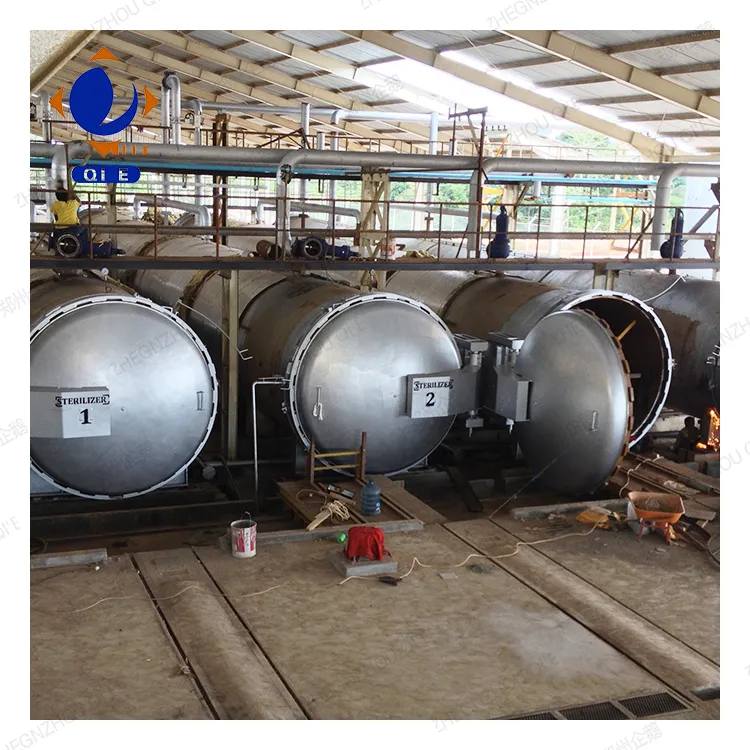
food safety sterilization technology
Small and medium - sized grain and oil processing equipment maintenance cost
Palm oil processing equipment warranty period
Energy - saving advantages of automated equipment
Core component durability
36 - month warranty
Palm oil processing equipment
Advanced sterilization technology
Food safety assurance
Temperature - time parameters
ISO9001 quality management
automated palm oil processing
small scale palm oil equipment
palm oil sterilization system
palm oil refining process
automated oilseed processing
automated grain processing equipment efficiency
small oil mill maintenance cost reduction
36 month warranty for oil processing machinery
energy-saving粮油 equipment technology
long-term operational cost optimization
automatic palm oil processing equipment
small-scale palm oil production line
low energy consumption palm oil production
temperature control in palm oil processing
food safety sterilization technology
Small and medium - sized grain and oil processing equipment maintenance cost
Palm oil processing equipment warranty period
Energy - saving advantages of automated equipment
Core component durability
36 - month warranty
Palm oil processing equipment
Advanced sterilization technology
Food safety assurance
Temperature - time parameters
ISO9001 quality management
automated palm oil processing
small scale palm oil equipment
palm oil sterilization system
palm oil refining process
automated oilseed processing
automated grain processing equipment efficiency
small oil mill maintenance cost reduction
36 month warranty for oil processing machinery
energy-saving粮油 equipment technology
long-term operational cost optimization










.png?x-oss-process=image/resize,h_100,m_lfit/format,webp)
.png?x-oss-process=image/resize,h_100,m_lfit/format,webp)
.png?x-oss-process=image/resize,h_100,m_lfit/format,webp)