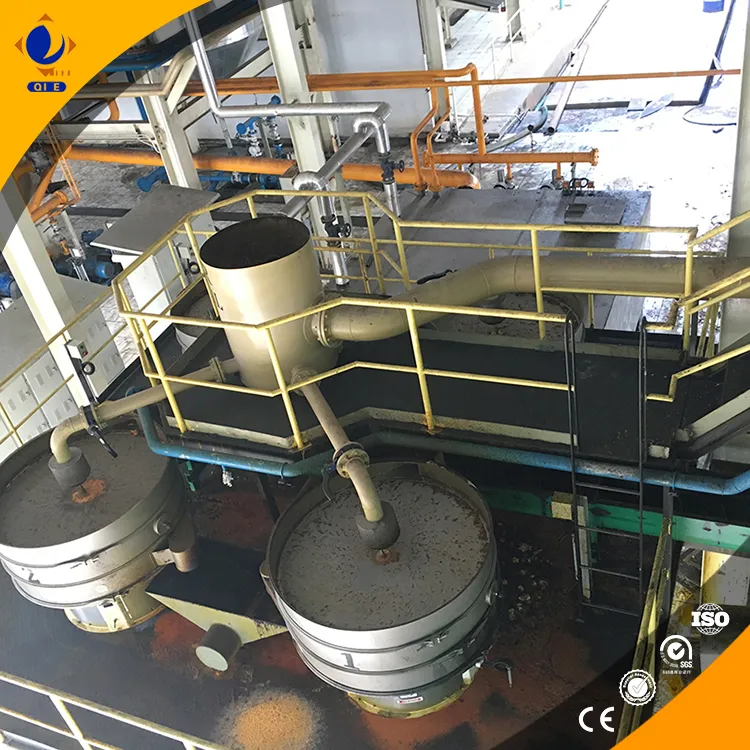
In recent years, the palm oil industry in Southeast Asia has witnessed significant transformation with the rapid development of automation technology. This article delves into the current situation and trends of palm oil production automation in Southeast Asia, with a focus on the pivotal role of the PLC intelligent control system.
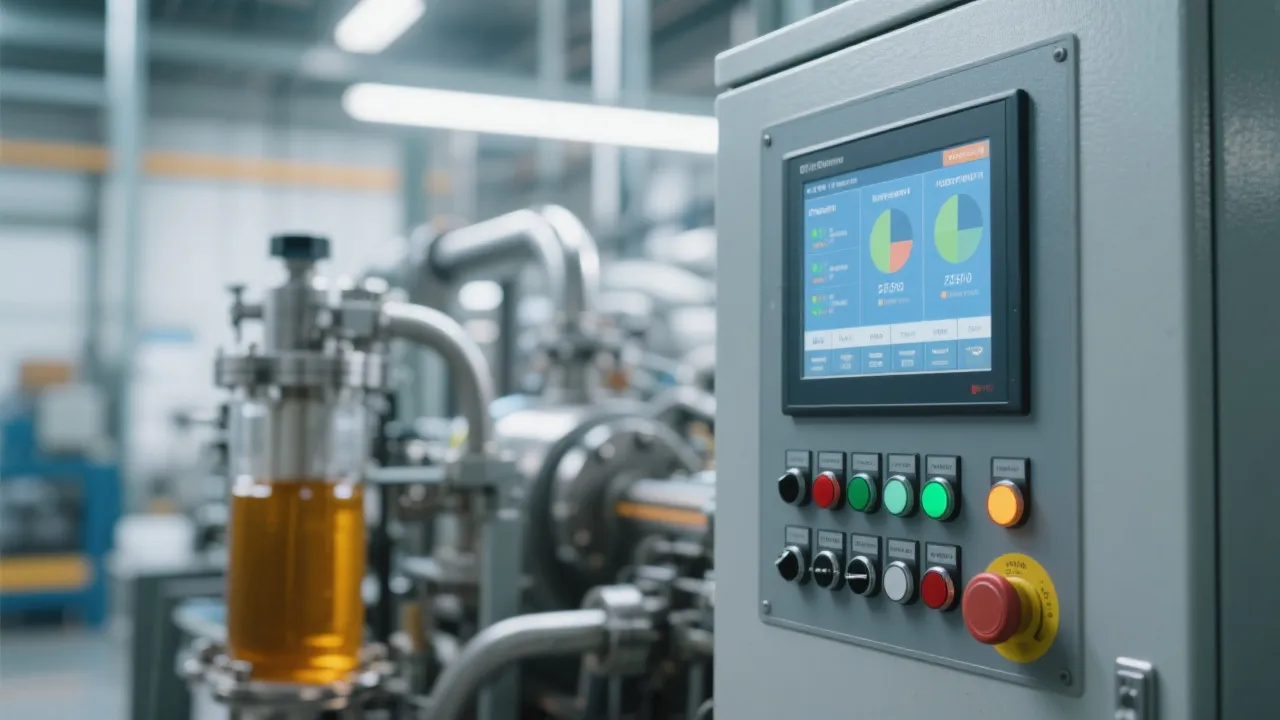
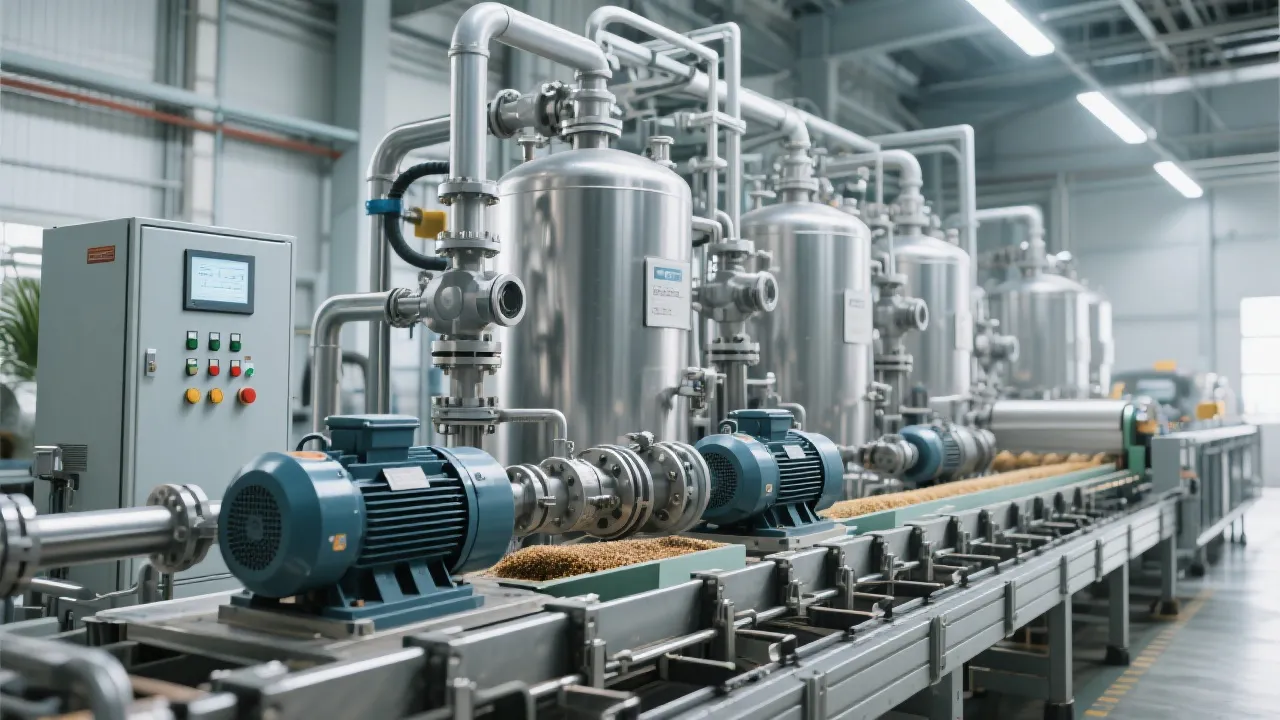
The PLC intelligent control system has become the core of palm oil production automation. It enables automatic monitoring of the production process and parameter optimization. For example, in a large - scale palm oil processing plant in Malaysia, the application of the PLC system has increased production efficiency by 30%. By continuously adjusting parameters such as temperature, pressure, and flow rate in real - time, the system ensures that the production process operates at an optimal level.
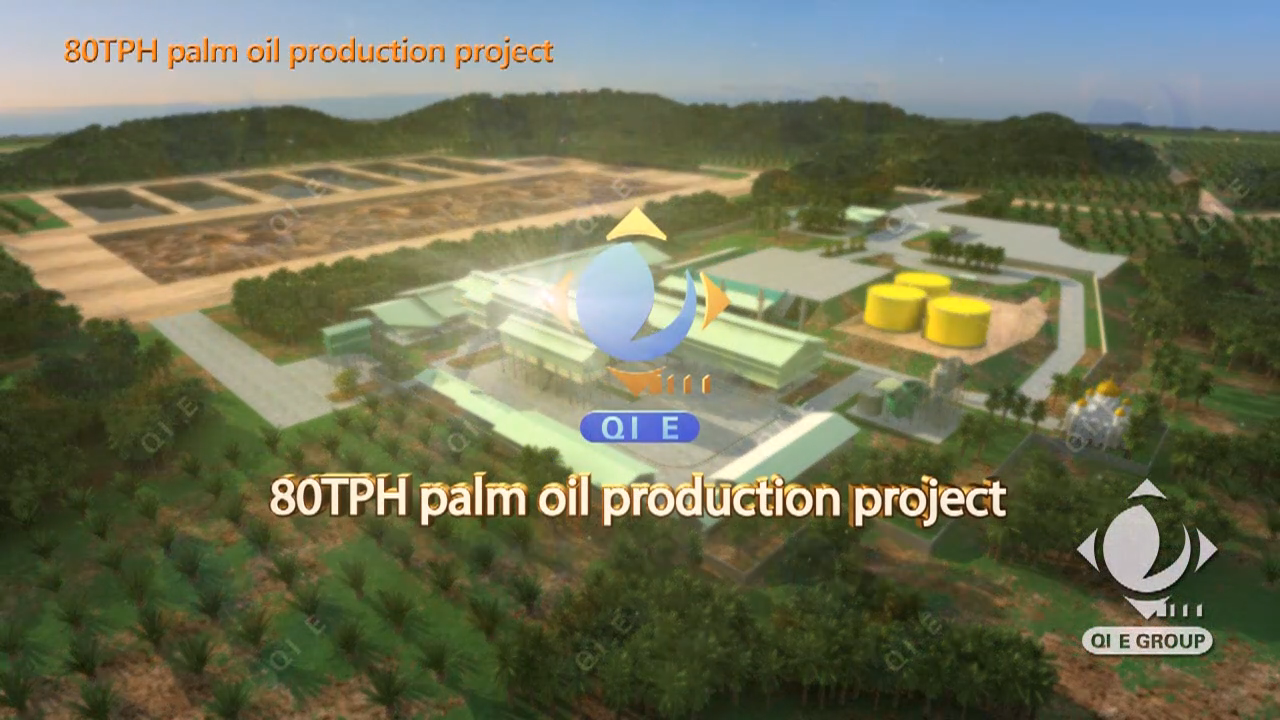
In addition to improving production efficiency, the PLC system also plays a crucial role in energy conservation and consumption reduction. According to statistics, factories using the PLC intelligent control system can save up to 20% of energy consumption. The system can accurately control the operation of equipment, avoiding unnecessary energy waste.
The intelligent control system is also equipped with a powerful fault early - warning function. It can detect potential faults in advance through real - time monitoring of equipment status and parameter changes. For instance, in a palm oil farm in Indonesia, the early - warning system detected a problem with a key conveyor belt in time, preventing a major production halt. This not only reduces maintenance costs but also ensures the continuous operation of the production line.
Modular design is another highlight of the palm oil production automation. Take a small - scale palm oil processing factory in Thailand as an example. The modular design of the PLC system simplifies the installation and commissioning process. Usually, the installation and commissioning time of a traditional system is about 3 months, while the modular system can be completed in just 1 month, significantly shortening the production start - up cycle.
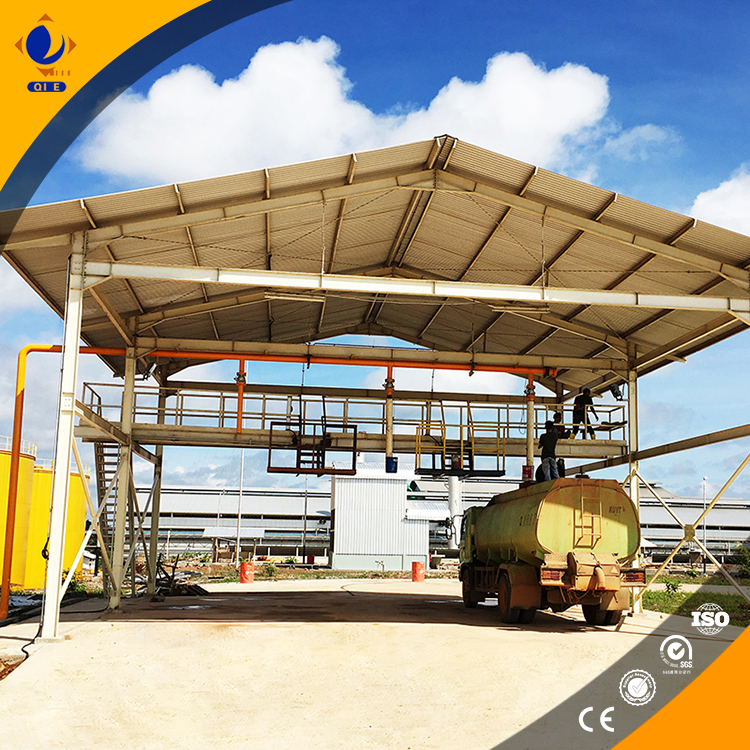
To ensure the long - term stable operation of the palm oil production automation system, a systematic methodology is required. This includes preventive maintenance and the three key elements of automation control: accurate data collection, real - time analysis, and timely adjustment. By regularly collecting and analyzing production data, enterprises can predict potential problems and take preventive measures in advance.
Data support is crucial to verify the effectiveness of the system. Through continuous monitoring and analysis of production data, enterprises can clearly see the improvements in production efficiency, energy conservation, and equipment reliability brought about by the automation system. This not only enhances the credibility of the system but also provides a solid basis for enterprise decision - making.
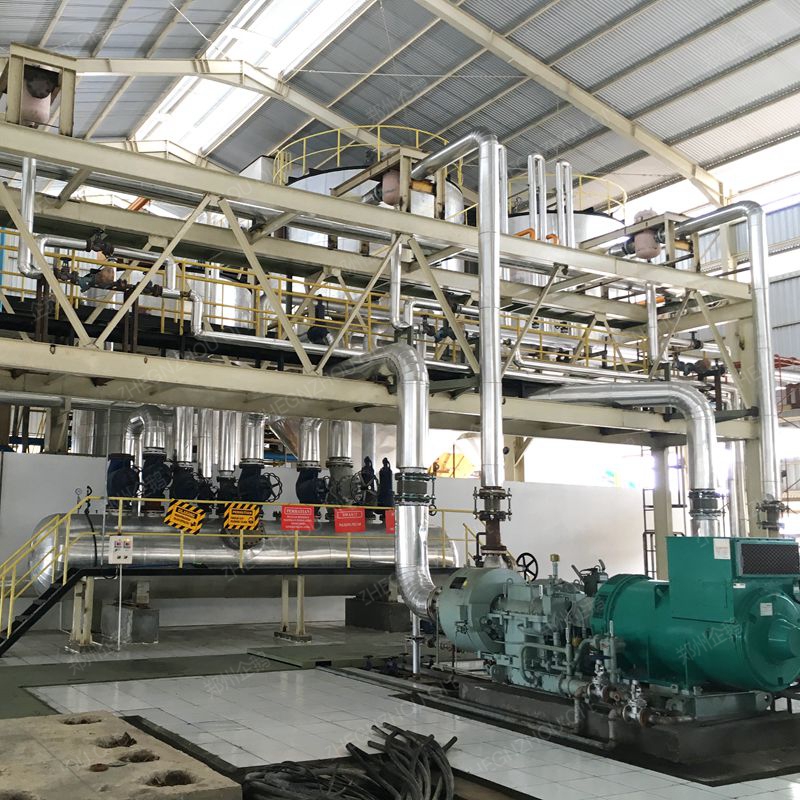
In conclusion, the development of palm oil production automation in Southeast Asia presents both challenges and opportunities. The PLC intelligent control system, with its functions of production process optimization, energy conservation, and fault early - warning, has become an important tool for enterprises to achieve modernization upgrades. If you are interested in learning more about palm oil production automation and how to transform your production line, don't miss the chance to download the "Self - Check List for Palm Oil Production Line Automation Transformation" PDF. It will provide you with more in - depth guidance and practical advice.

 palm oil sterilization process
food-grade stainless steel equipment
palm oil automation equipment
small scale palm oil processing
palm oil production efficiency
palm oil processing parameters
temperature control in oil refining
ISO9001 quality management in palm oil
small scale palm oil production
food safety in palm oil processing
palm oil processing technology
palm fruit pretreatment methods
palm kernel oil refining
ISO9001 food grade equipment
energy-efficient palm oil production
small scale palm oil processing equipment
palm oil sterilization technology
palm oil production troubleshooting
automated palm oil refining systems
palm oil equipment maintenance
palm oil production automation
PLC control systems
palm oil production efficiency
energy saving in palm oil processing
modular automation installation
palm oil sterilization process
food-grade stainless steel equipment
palm oil automation equipment
small scale palm oil processing
palm oil production efficiency
palm oil processing parameters
temperature control in oil refining
ISO9001 quality management in palm oil
small scale palm oil production
food safety in palm oil processing
palm oil processing technology
palm fruit pretreatment methods
palm kernel oil refining
ISO9001 food grade equipment
energy-efficient palm oil production
small scale palm oil processing equipment
palm oil sterilization technology
palm oil production troubleshooting
automated palm oil refining systems
palm oil equipment maintenance
palm oil production automation
PLC control systems
palm oil production efficiency
energy saving in palm oil processing
modular automation installation







.png?x-oss-process=image/resize,h_100,m_lfit/format,webp)
.png?x-oss-process=image/resize,h_100,m_lfit/format,webp)
.png?x-oss-process=image/resize,h_100,m_lfit/format,webp)