In recent years, the demand for palm oil in the global market has been steadily increasing, making the construction of palm oil production plants in Southeast Asia a lucrative investment opportunity. This article aims to comprehensively explain the entire construction process of Southeast Asian palm oil production plants, focusing on key aspects such as site selection, equipment selection, and process design.
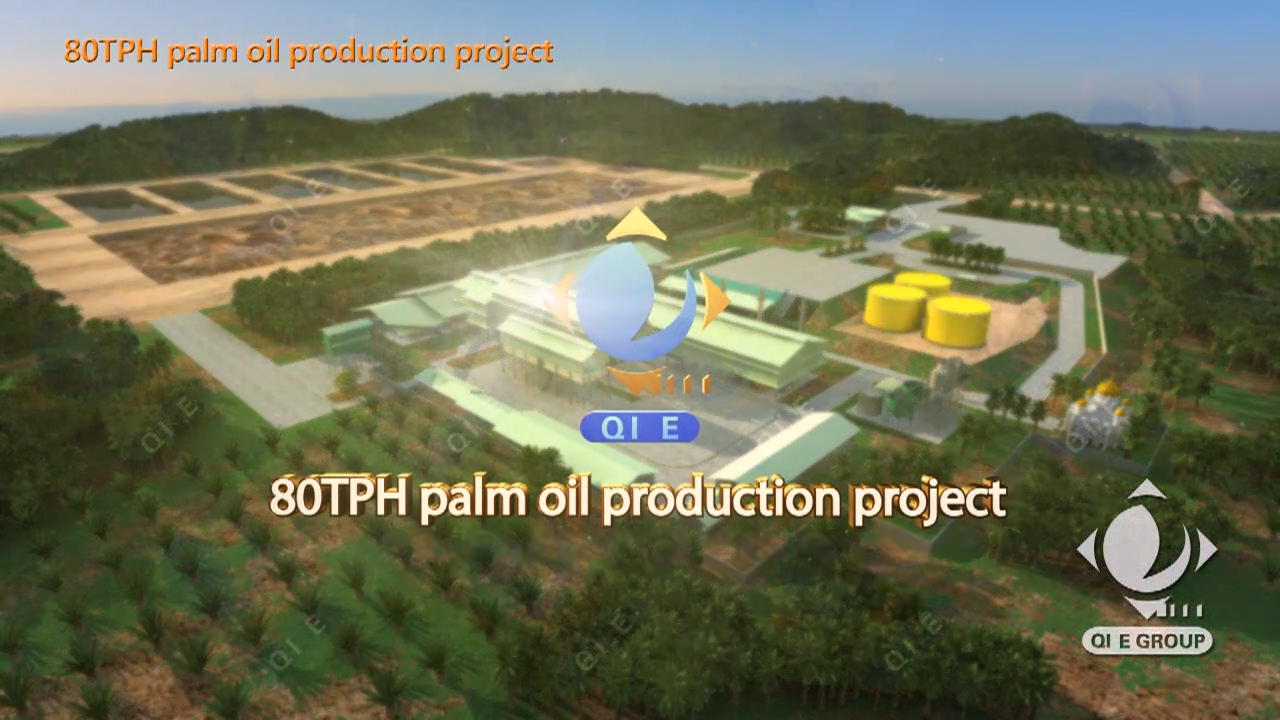
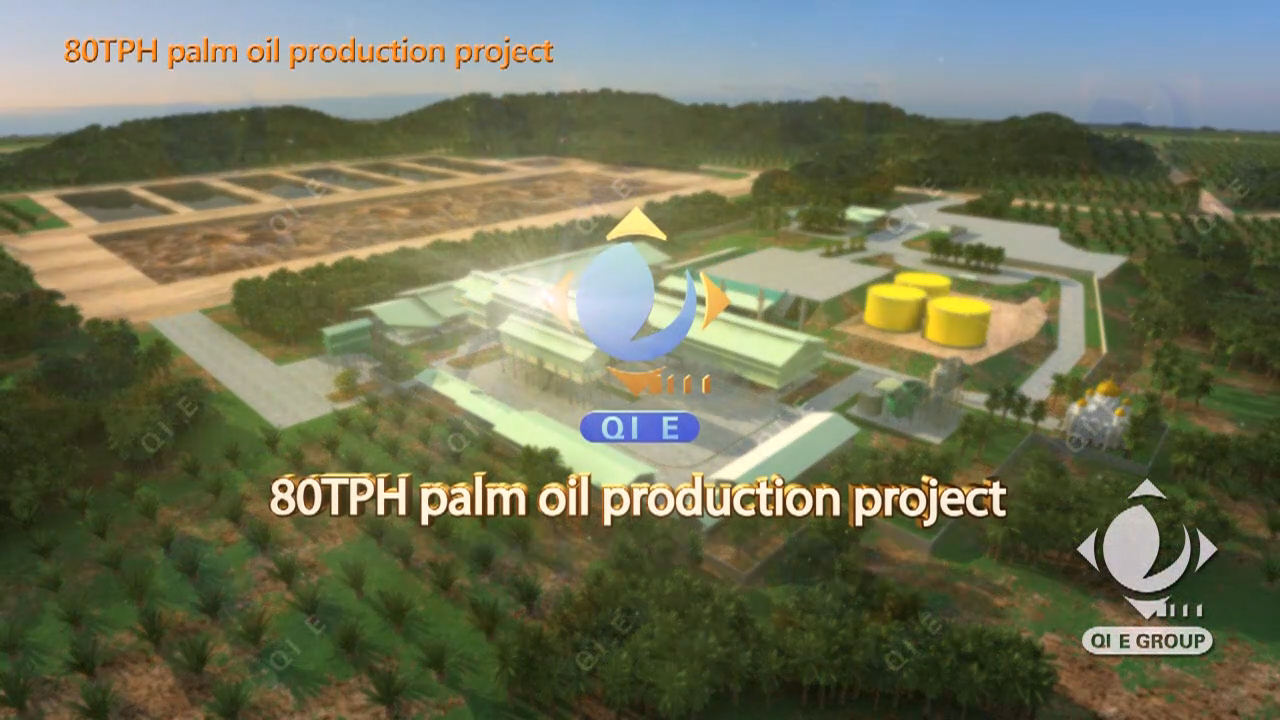
The choice of location for a palm oil production plant is crucial. It should be close to palm oil plantations to ensure a stable supply of raw materials. According to industry statistics, transporting palm fruits over long - distances can increase costs by up to 20%. Additionally, the site should have access to reliable transportation networks, including roads and ports, for the efficient distribution of finished products. Environmental factors also need to be considered. Areas with proper waste - treatment facilities and low environmental impact can help the factory meet environmental protection standards. For example, a factory in Malaysia was able to reduce its waste - disposal costs by 15% by choosing a site with advanced waste - treatment infrastructure.
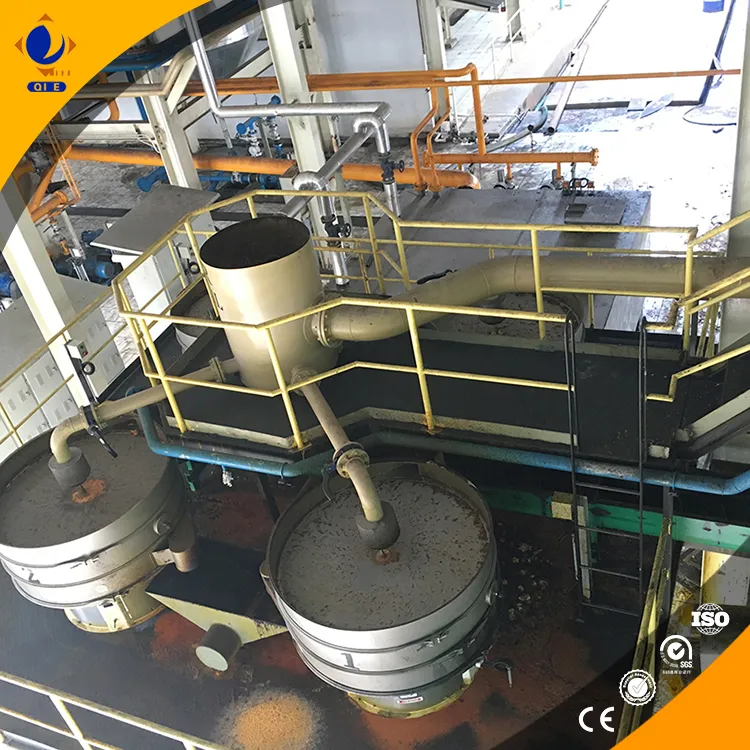
When it comes to equipment selection, there are two main pressing processes: hot and cold pressing. The hot - pressing process can achieve a higher oil extraction rate, usually around 90%, while the cold - pressing process can retain more nutrients in the oil, making it more suitable for high - end markets. An automated control system is also an important part of modern palm oil production plants. It can improve production efficiency by up to 30% and reduce labor costs significantly. The factory layout and process flow design should be optimized to ensure smooth operation. For example, a well - designed layout can reduce the internal transportation distance of materials, saving time and energy.
Managing the raw material supply chain is essential for stable production. Producers should establish long - term partnerships with local palm oil plantations to ensure a continuous supply of high - quality palm fruits. Quality control should be implemented throughout the production process, from raw material acceptance to finished product packaging. By implementing strict quality control measures, companies can reduce product rejection rates by up to 10%.
In modern palm oil production, environmental protection and energy - saving technologies are becoming increasingly important. For example, waste heat recovery systems can be installed to reuse the heat generated during the production process, reducing energy consumption by up to 20%. Water recycling systems can also be used to minimize water waste. These technologies not only help the factory meet environmental requirements but also reduce production costs.
To ensure that the production process runs smoothly, a comprehensive training system for operators and engineers is necessary. Training programs should cover equipment operation, process control, quality management, and environmental protection. A well - trained workforce can improve production efficiency and product quality. For example, after a training program, the productivity of a palm oil factory in Indonesia increased by 18%.

Are you interested in learning more about palm oil production technology? Click to get the Palm Oil Production Line Common Fault Troubleshooting Manual and gain in - depth insights into the industry!





.png?x-oss-process=image/resize,h_100,m_lfit/format,webp)
.png?x-oss-process=image/resize,h_100,m_lfit/format,webp)
.png?x-oss-process=image/resize,h_100,m_lfit/format,webp)