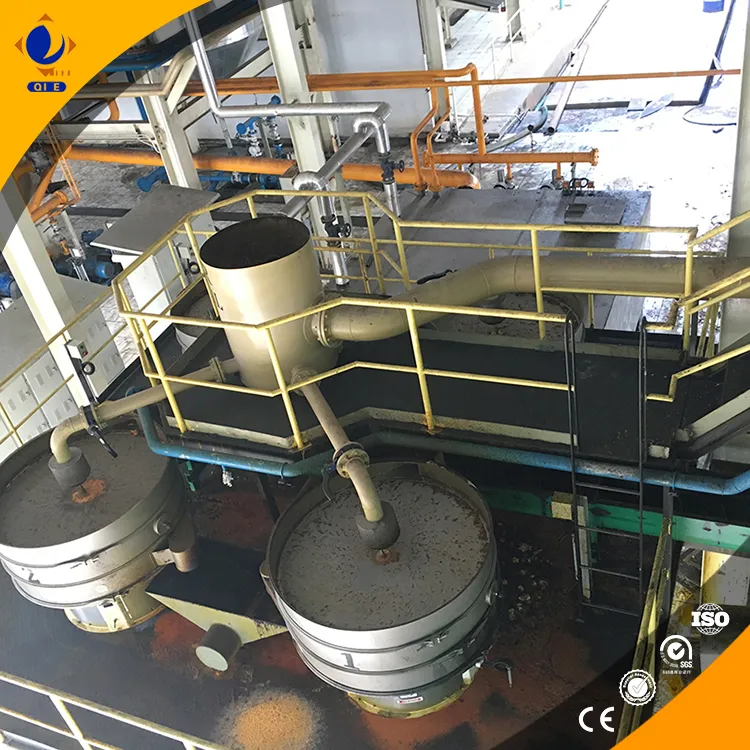
In the fast-evolving palm oil industry of Southeast Asia, small to medium-sized processing plants face mounting pressure to increase efficiency and product quality while maintaining cost control. Central to this industrial transformation is the adoption of automation technologies—especially the integration of PLC (Programmable Logic Controller) intelligent control systems. This article dives deeply into the essential steps and best practices surrounding the automation retrofit process, highlighting real-world cases from the QIE Group fully automated palm oil production lines.
PLC systems serve as the nerve center of an automated palm oil processing line. By continuously monitoring variables such as temperature, pressure, and rotor speeds, they enable real-time dynamic regulation of production parameters. Unlike traditional manual controls, PLCs improve operational safety and process stability by instantly detecting anomalies and executing corrective commands without human intervention.
Typical benefits of PLC intelligent control systems include:
The key to slashing commissioning time lies in adopting modular design principles paired with intelligent installation practices. The QIE Group case study shows that combining prefabricated control panels and plug-and-play sensor units can reduce setup duration by nearly one-third.
Here are the critical steps:
Energy use in palm oil production contributes significantly to operational costs and environmental footprint. Automation introduces operational intelligence that enables:
According to field data, plants implementing automated energy-saving protocols can witness power savings up to 18% within the first six months post-commissioning.
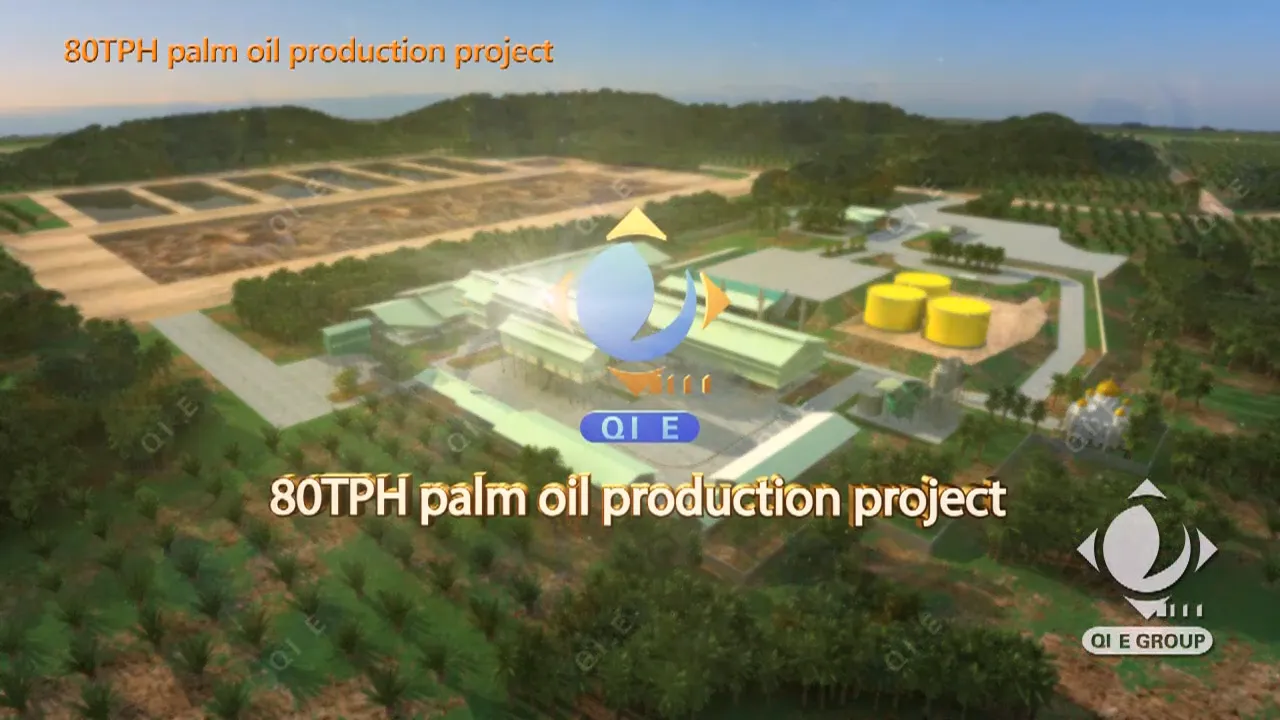
The QIE Group documented the retrofit of a mid-size plant in Malaysia featuring:
This comprehensive approach led to an accelerator in the full production ramp-up by 30%, minimizing lost revenue opportunities.
To assist plant managers and farm owners in identifying automation upgrade opportunities, we offer a meticulously crafted “Palm Oil Production Line Automation Retrofit Self-Assessment Checklist”. This PDF guide walks you through critical evaluation points, enabling data-driven upgrade planning without guesswork.
Taking this proactive step ensures your facility remains competitive and sustainable in the ever-demanding palm oil market environment.
 Palm oil production line
Environmental and energy - saving technologies
Southeast Asian palm oil factories
Cold and hot pressing processes
Factory automation control
palm oil production line
cold and hot pressing technology
automated control system
palm oil mill construction
energy-efficient palm oil processing
palm oil processing equipment
palm fruit processing technology
palm kernel oil extraction
automated palm oil production line
food safety sterilization system
palm oil production automation
PLC control systems
palm oil production efficiency
energy saving in palm oil processing
modular automation installation
Cold pressing process
Hot pressing process
Palm oil production line
Automation control
Southeast Asian palm oil factory
Palm oil production line
Environmental and energy - saving technologies
Southeast Asian palm oil factories
Cold and hot pressing processes
Factory automation control
palm oil production line
cold and hot pressing technology
automated control system
palm oil mill construction
energy-efficient palm oil processing
palm oil processing equipment
palm fruit processing technology
palm kernel oil extraction
automated palm oil production line
food safety sterilization system
palm oil production automation
PLC control systems
palm oil production efficiency
energy saving in palm oil processing
modular automation installation
Cold pressing process
Hot pressing process
Palm oil production line
Automation control
Southeast Asian palm oil factory







.png?x-oss-process=image/resize,h_100,m_lfit/format,webp)
.png?x-oss-process=image/resize,h_100,m_lfit/format,webp)
.png?x-oss-process=image/resize,h_100,m_lfit/format,webp)