
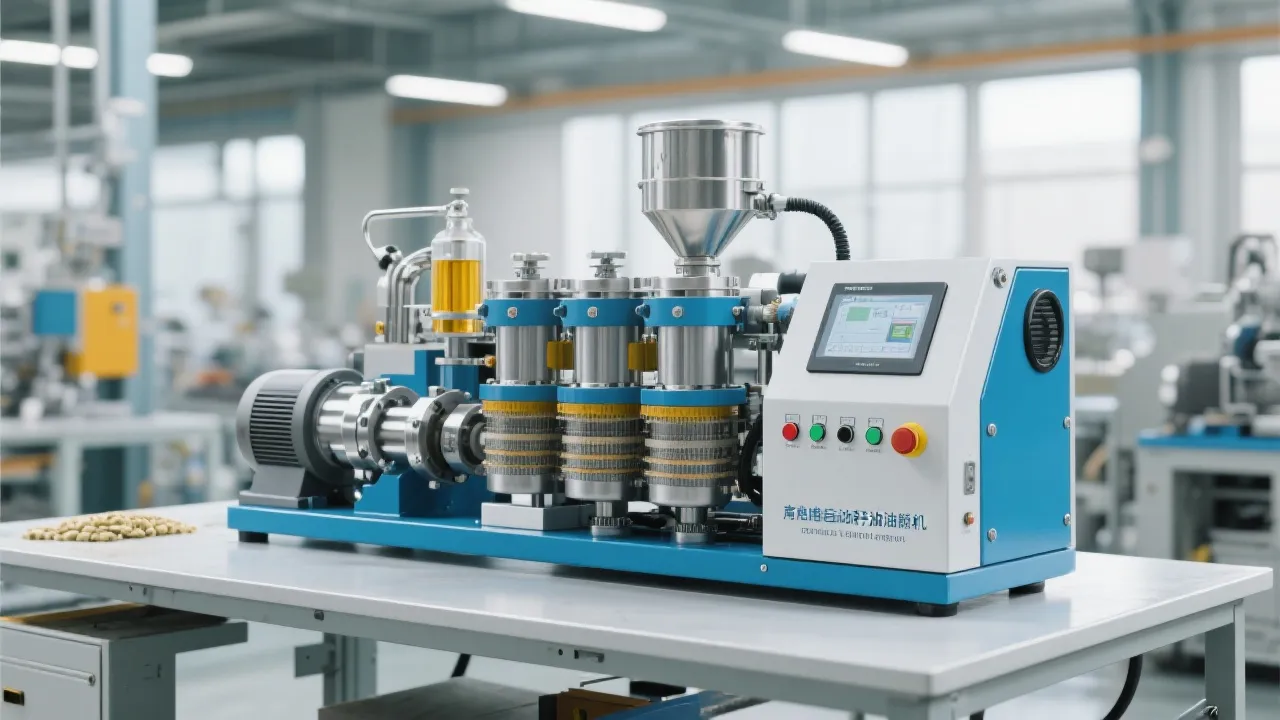
In today's office environment, sitting for long periods has become a common norm. However, it brings a series of health risks, such as back pain, neck stiffness, and even more serious spinal problems. You might be wondering how to avoid these issues and maintain a healthy sitting posture. The answer lies in the scientific adjustment of your office chair.
Let's first understand the causes of sitting posture problems. Prolonged sitting in a static position can lead to muscle fatigue and imbalance. Moreover, if your office chair doesn't fit your body well, it can exacerbate these problems. That's why it's crucial to learn how to adjust your office chair according to your body's needs.
Your office chair comes with five core adjustment functions: height, armrests, backrest angle, seat depth, and lumbar support position. Each of these functions plays a vital role in ensuring a proper sitting posture.
The height adjustment allows you to set the chair at a level where your feet can rest flat on the floor and your knees are at a 90 - degree angle. This helps to distribute your body weight evenly and reduces pressure on your lower back. The armrests should be adjusted so that your shoulders are relaxed and your elbows are at a 90 - degree angle. This can prevent shoulder and neck pain.
The backrest angle can be adjusted to support your spine's natural curve. A proper backrest angle can relieve pressure on your back and reduce the risk of back pain. The seat depth adjustment ensures that your thighs are fully supported, and there is no pressure on the back of your knees. Finally, the lumbar support position should be adjusted to fit the curve of your lower back, providing extra support and preventing lower back pain.
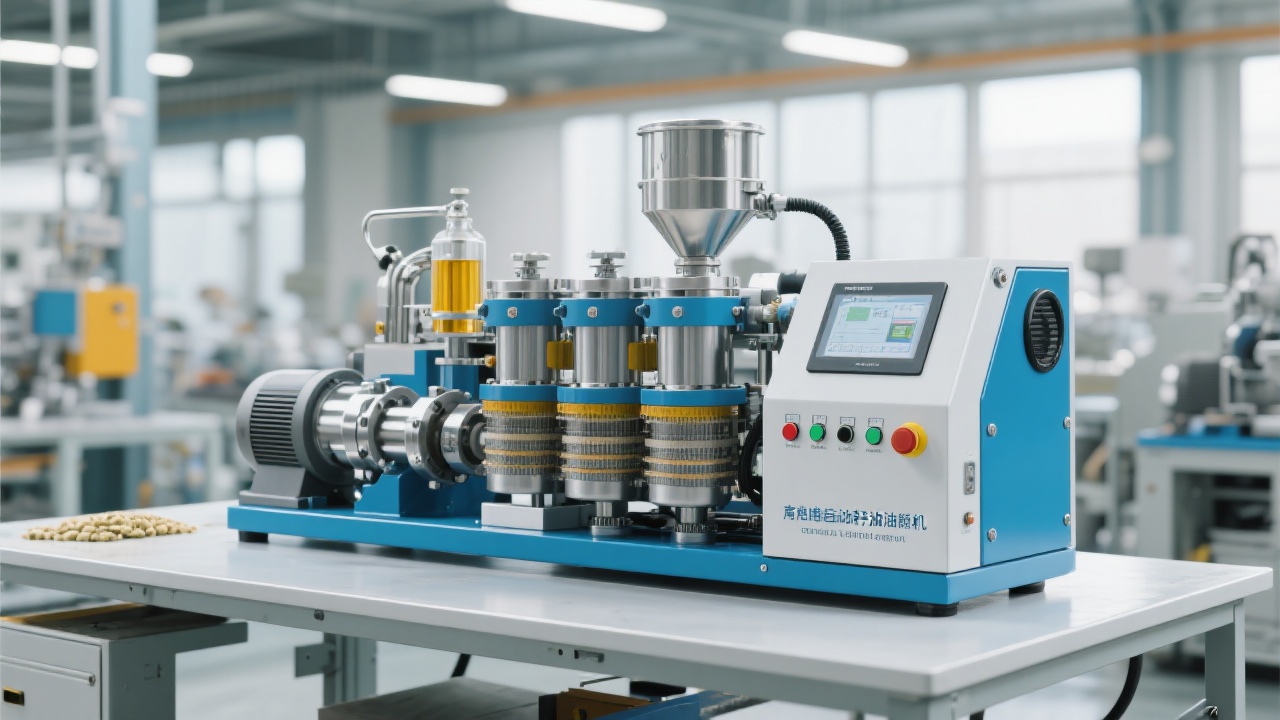
Different people have different body shapes and usage scenarios. For example, front - line technicians in the palm oil processing industry and office clerks are high - frequency users of office chairs. Technicians may need to move around more and may require a more flexible chair adjustment. Office clerks, on the other hand, may sit for longer periods and need more support for their back and neck.
Based on your height, arm length, and spinal curvature, you can make personalized adjustments to your office chair. For instance, if you are taller, you may need to increase the seat height and backrest height. If you have a long arm, you may need to adjust the armrests further out.
To help you quickly determine if you are sitting correctly, here is a simple self - testing method: the '3 - second test'. Sit upright in your chair and see if you can maintain a comfortable and stable position for 3 seconds. If you feel unstable or uncomfortable, it means your chair needs adjustment.
In addition to proper chair adjustment, it's also important to adopt the concept of dynamic sitting. Static sitting for a long time can cause muscle fatigue and stiffness. By changing your sitting position regularly, such as leaning forward, backward, or to the side, you can relieve muscle tension and improve blood circulation.
To form good sitting habits, you can set a daily micro - adjustment task. For example, every hour, take a minute to adjust your chair slightly, such as changing the backrest angle or seat depth. This small adjustment can make a big difference in the long run.
In conclusion, by mastering the scientific adjustment methods of office chairs and adopting the concept of dynamic sitting, you can effectively prevent occupational diseases, relieve back pain, and improve work efficiency. Our office chairs are designed with a professional - grade adjustment system that conforms to ergonomic principles, providing you with the best support for a healthy sitting posture. Don't miss out on the opportunity to create a healthy office environment for yourself.
Explore Our Ergonomic Office Chairs Now! PLC smart control system
palm oil processing automation
energy saving methods
modular design
small scale palm oil plant
automatic palm oil processing equipment
small-scale palm oil production line
low energy consumption palm oil production
temperature control in palm oil processing
food safety sterilization technology
Palmoil production line
ISO 9001:2000 quality system
CE certification
Customized equipment
Technical procurement compliance
palm oil automation equipment
small-scale palm oil processing
palm oil sterilization technology
fully automated palm oil refining
modular palm oil machinery
Southeast Asian palm oil production line
Automated palm oil equipment
Cold and hot pressing processes
PLC intelligent control
Palm oil factory construction
PLC smart control system
palm oil processing automation
energy saving methods
modular design
small scale palm oil plant
automatic palm oil processing equipment
small-scale palm oil production line
low energy consumption palm oil production
temperature control in palm oil processing
food safety sterilization technology
Palmoil production line
ISO 9001:2000 quality system
CE certification
Customized equipment
Technical procurement compliance
palm oil automation equipment
small-scale palm oil processing
palm oil sterilization technology
fully automated palm oil refining
modular palm oil machinery
Southeast Asian palm oil production line
Automated palm oil equipment
Cold and hot pressing processes
PLC intelligent control
Palm oil factory construction










.png?x-oss-process=image/resize,h_100,m_lfit/format,webp)
.png?x-oss-process=image/resize,h_100,m_lfit/format,webp)
.png?x-oss-process=image/resize,h_100,m_lfit/format,webp)


