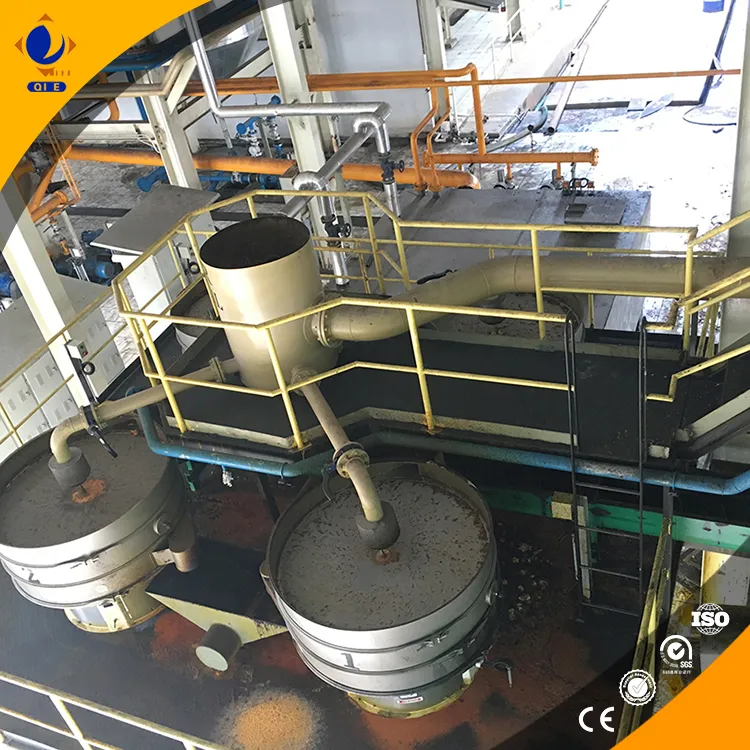
For small-scale palm oil processors in Southeast Asia, operational efficiency isn’t just a goal—it’s survival. With rising energy costs and tighter margins, manual control systems are no longer enough. That’s where our custom-built PLC-based smart control system comes in.
In a case study with a 5-ton-per-hour palm oil mill in Indonesia, we installed the system over 48 hours using modular components—no specialized engineers required. Within two weeks of operation, the facility reported:
These aren’t theoretical numbers—they’re what happens when automation meets practical design for smaller operations that can’t afford downtime or inefficiency.
Our PLC system doesn’t overwhelm users with complex dashboards. Instead, it uses intuitive alerts and visual indicators—like a traffic light system—to show whether the digester, press, or clarifier is running optimally. Parameters like temperature, pressure, and flow rate are automatically adjusted based on real-time sensor data, reducing human error by up to 60%.
The magic lies in its modular architecture. Each component—whether it's the boiler controller or the oil storage monitor—is plug-and-play. One Indonesian farm owner told us: “We had our team install it ourselves in under one day. No external help needed.”
We’ve distilled our experience into a repeatable framework called the “Energy Efficiency Five-Step Method”:
This method has helped over 30 small mills reduce their monthly electricity bills by an average of $120–$200 per month—without changing equipment.
As global demand for sustainable palm oil grows, buyers increasingly favor producers who can prove consistent quality and lower environmental impact. A well-run, automated mill not only saves money—it builds trust with international buyers.
Download our free checklist to assess your current setup—and identify quick wins for automation.
Get Your Free Automation Checklist Palm oil processing process
Palm fruit pretreatment technology
Palm kernel refining process
Food - grade stainless steel equipment
Low - temperature deodorization control
palm oil processing equipment
advanced sterilization technology
food - grade stainless - steel equipment
palm fruit refining process
low - energy and high - efficiency production
palm oil processing technology
palm fruit pretreatment methods
palm kernel oil refining
ISO9001 food grade equipment
energy-efficient palm oil production
custom palm oil production line
automated palm oil equipment
palm oil refining technology
Southeast Asia palm oil processing
PLC control system
PLC control system
palm oil production efficiency
energy saving in oil mills
automated process optimization
industrial automation solutions
Palm oil processing process
Palm fruit pretreatment technology
Palm kernel refining process
Food - grade stainless steel equipment
Low - temperature deodorization control
palm oil processing equipment
advanced sterilization technology
food - grade stainless - steel equipment
palm fruit refining process
low - energy and high - efficiency production
palm oil processing technology
palm fruit pretreatment methods
palm kernel oil refining
ISO9001 food grade equipment
energy-efficient palm oil production
custom palm oil production line
automated palm oil equipment
palm oil refining technology
Southeast Asia palm oil processing
PLC control system
PLC control system
palm oil production efficiency
energy saving in oil mills
automated process optimization
industrial automation solutions









.png?x-oss-process=image/resize,h_100,m_lfit/format,webp)
.png?x-oss-process=image/resize,h_100,m_lfit/format,webp)
.png?x-oss-process=image/resize,h_100,m_lfit/format,webp)