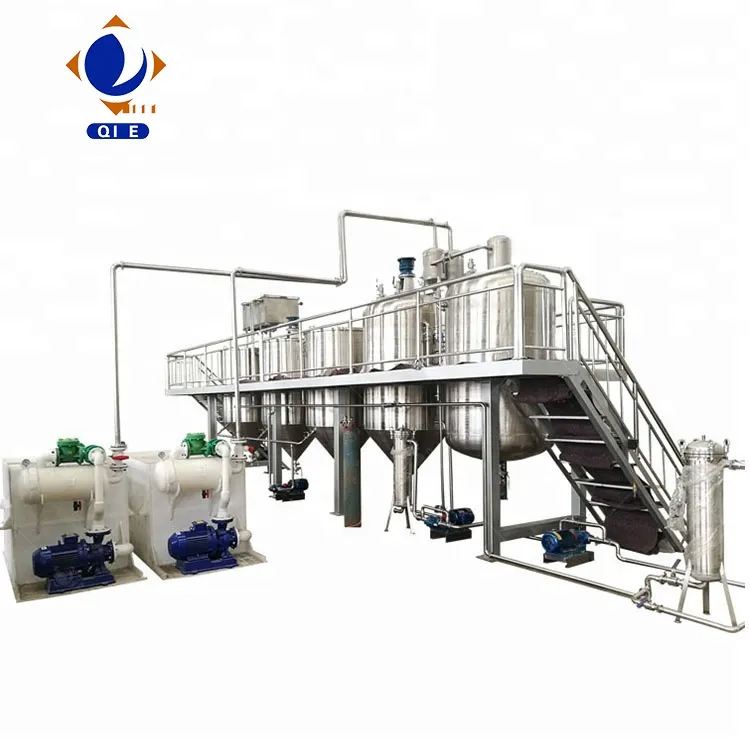
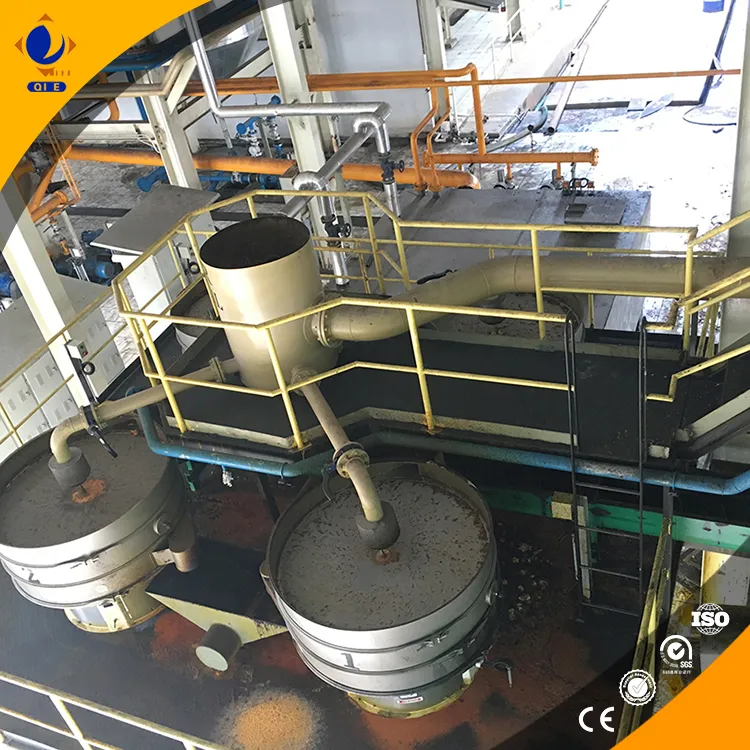
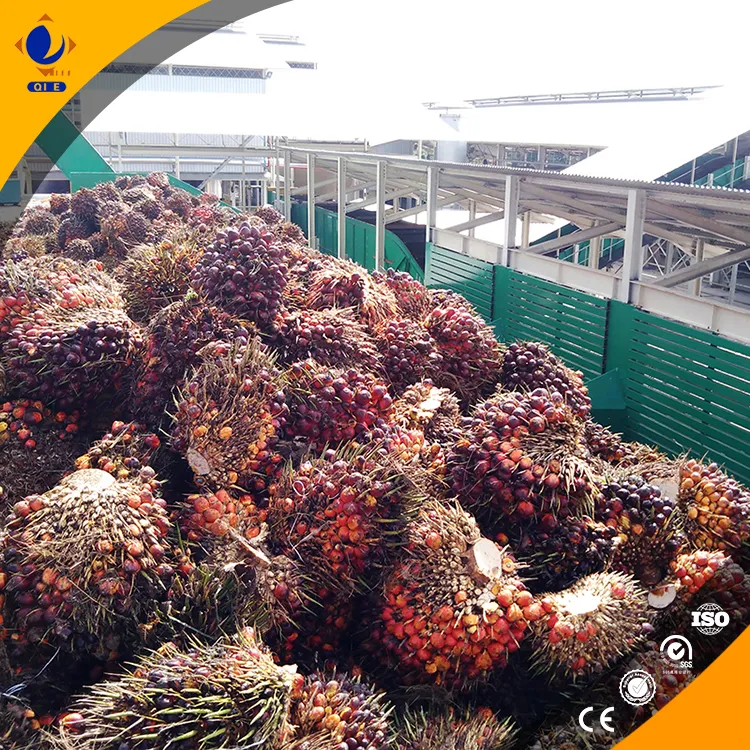
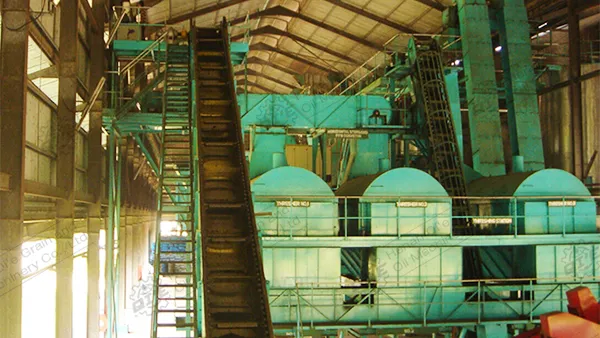
The palm oil industry in Southeast Asia stands at the crossroads of modern technological transformation. Leveraging Programmable Logic Controllers (PLC) for intelligent control elevates production lines to unprecedented levels of automation, efficiency, and sustainability. By automating complex processes such as real-time monitoring, parameter optimization, and predictive fault detection, PLC systems become indispensable assets for farms, small to medium-sized processing factories, and food enterprises aiming for competitive advantage.
At its core, a PLC intelligent control system uses microprocessor-based hardware to automate control processes tailored for industrial environments. In palm oil production, this technology automates material handling, temperature regulation, and pressure controls, ensuring stable and optimal operations.
Unlike traditional manual or semi-automatic control, PLCs provide:
Reducing energy costs while maintaining high productivity is imperative. The Five-Step Energy Saving & Consumption Reduction Method incorporates practical operational enhancements enabled by PLC automation:
Implementing these steps systematically can lower total energy consumption by up to 25%, significantly improving profit margins while promoting sustainability.
Modular PLC system designs allow segmenting control units into plug-and-play components, facilitating swift installation and calibration. One real-world case study from a Malaysian mid-scale processing plant demonstrated reduced commissioning time from 30 to 12 days, accelerating operational readiness.
This modular approach empowers maintenance teams to isolate issues rapidly and perform upgrades without halting the entire production line, enhancing system uptime and ROI.
Field data from comparable regional facilities reveal:
| Metric | Pre-PLC Upgrade | Post-PLC Upgrade | Percentage Improvement |
|---|---|---|---|
| Production Efficiency | 85% | 95% | +11.76% |
| Energy Consumption (kWh/ton) | 120 | 90 | -25% |
| Downtime Hours/Month | 20 | 14 | -30% |
These quantitative improvements demonstrate the tangible benefits of integrating PLC intelligent control systems into palm oil production workflows.
For farm owners and SME managers unfamiliar with industrial automation, understanding the modular PLC architecture alongside stepwise energy-saving protocols equips them to make informed upgrade decisions. Visual process maps, routine maintenance checklists, and fault-response heuristics provided via PLC dashboards reduce operational complexity and enhance control accuracy.

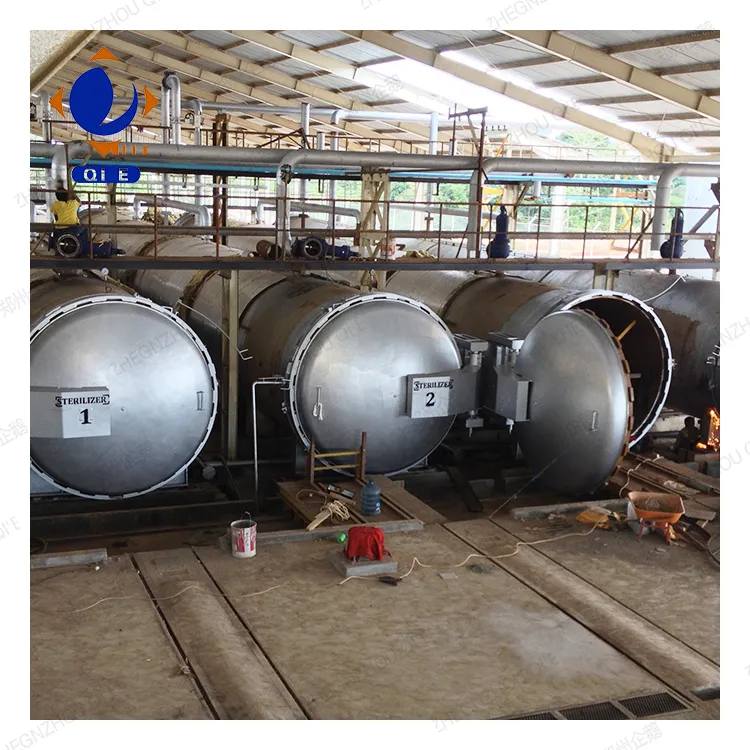
 palm oil sterilization process
food-grade stainless steel equipment
palm oil automation equipment
small scale palm oil processing
palm oil production efficiency
Palm oil production line automation
PLC intelligent control system
Palm oil energy saving
Preventive maintenance methodology
Palm oil processing efficiency improvement
palm oil automation processing
small-scale palm oil equipment
palm oil sterilization technology
modular processing equipment
palm oil refining process
Cold pressing process
Hot pressing process
Palm oil yield improvement
Palm oil quality control
Fully automated palm oil production line
red palm oil equipment customer analysis
export market promotion strategy
grain and oil machinery customer profiling
automatic palm oil refining equipment
overseas market customer behavior modeling
palm oil sterilization process
food-grade stainless steel equipment
palm oil automation equipment
small scale palm oil processing
palm oil production efficiency
Palm oil production line automation
PLC intelligent control system
Palm oil energy saving
Preventive maintenance methodology
Palm oil processing efficiency improvement
palm oil automation processing
small-scale palm oil equipment
palm oil sterilization technology
modular processing equipment
palm oil refining process
Cold pressing process
Hot pressing process
Palm oil yield improvement
Palm oil quality control
Fully automated palm oil production line
red palm oil equipment customer analysis
export market promotion strategy
grain and oil machinery customer profiling
automatic palm oil refining equipment
overseas market customer behavior modeling







.png?x-oss-process=image/resize,h_100,m_lfit/format,webp)
.png?x-oss-process=image/resize,h_100,m_lfit/format,webp)
.png?x-oss-process=image/resize,h_100,m_lfit/format,webp)