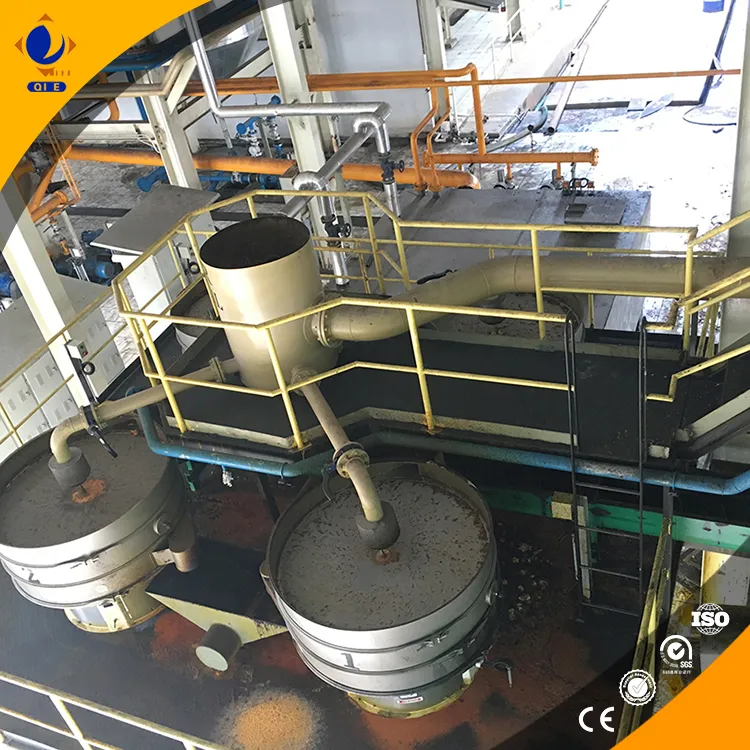
In today’s competitive palm oil industry, efficiency isn’t just a goal—it’s a survival strategy. According to the International Palm Oil Council (IPOC), over 40% of small-to-mid-sized palm oil mills still rely on manual or semi-automated systems that waste up to 18% more energy than optimized setups. That’s where PLC-based smart control systems come in—not as a luxury, but as a necessity for modernization.
By integrating sensors across key stages—pre-heating, extraction, and refining—PLC systems provide real-time data on temperature, pressure, and flow rates. One case study from a Malaysian mill showed a 12% drop in steam consumption within three months after implementing automated monitoring. Why? Because operators no longer react to problems—they prevent them.
Modern PLCs don’t just log data—they learn it. Using machine learning algorithms, they adjust process parameters dynamically based on historical performance. For example, adjusting the screw speed in the expeller press during peak hours can reduce motor load by up to 15%, saving both electricity and mechanical wear. This is not theory—it’s what a Thai processor saw after six months of continuous tuning.
Unexpected breakdowns cost palm oil producers an average of $3,200 per hour in lost production time (source: Palm Oil Journal 2023). With PLC-driven vibration and thermal sensors, you can detect early signs of bearing failure or motor overheating—often days before catastrophic failure. In one Indonesian facility, this reduced unplanned downtime by 70% in just one year.
Unlike legacy systems requiring weeks of wiring and calibration, modular PLC units allow plug-and-play integration with existing equipment. A Nigerian refinery completed its retrofit in under two weeks instead of the usual 6–8 weeks, thanks to pre-configured I/O modules. This means faster ROI—and less disruption to daily operations.
The best automation doesn’t work if people can’t understand it. Intuitive HMI dashboards show live KPIs like kWh per ton processed, alert thresholds, and maintenance schedules—all in plain English. Training time dropped by 60% at a Vietnamese mill when operators started using visualized controls instead of paper logs.
Whether you're managing a family-run farm or a regional processing plant, these five methods are proven to cut costs, boost output, and future-proof your operation.
Download Our Free Checklist: "Palm Oil Line Automation Readiness Audit"This isn’t about replacing humans—it’s about empowering them with smarter tools. The future of palm oil is efficient, sustainable, and fully connected.
 Fully automated palm oil processing equipment
Palm fruit processing technology
Palm kernel refining process
Low - energy palm oil production
Food safety sterilization technology
Automated palm oil processing
Small - scale palm oil equipment
Palm oil sterilization process
Palm oil processing equipment
Fully automatic palm oil production
Palm oil production line automation
PLC intelligent control for energy saving and consumption reduction
Palm oil processing equipment energy - saving transformation
Palm oil refining automation system
Palm oil production efficiency improvement
automated palm oil processing
small-scale palm oil equipment
palm oil sterilization process
automated palm oil production line
palm oil refining technology
automated palm oil processing
small scale palm oil equipment
palm oil sterilization technology
fully automatic palm oil plant
palm oil production automation
Fully automated palm oil processing equipment
Palm fruit processing technology
Palm kernel refining process
Low - energy palm oil production
Food safety sterilization technology
Automated palm oil processing
Small - scale palm oil equipment
Palm oil sterilization process
Palm oil processing equipment
Fully automatic palm oil production
Palm oil production line automation
PLC intelligent control for energy saving and consumption reduction
Palm oil processing equipment energy - saving transformation
Palm oil refining automation system
Palm oil production efficiency improvement
automated palm oil processing
small-scale palm oil equipment
palm oil sterilization process
automated palm oil production line
palm oil refining technology
automated palm oil processing
small scale palm oil equipment
palm oil sterilization technology
fully automatic palm oil plant
palm oil production automation








.png?x-oss-process=image/resize,h_100,m_lfit/format,webp)
.png?x-oss-process=image/resize,h_100,m_lfit/format,webp)
.png?x-oss-process=image/resize,h_100,m_lfit/format,webp)