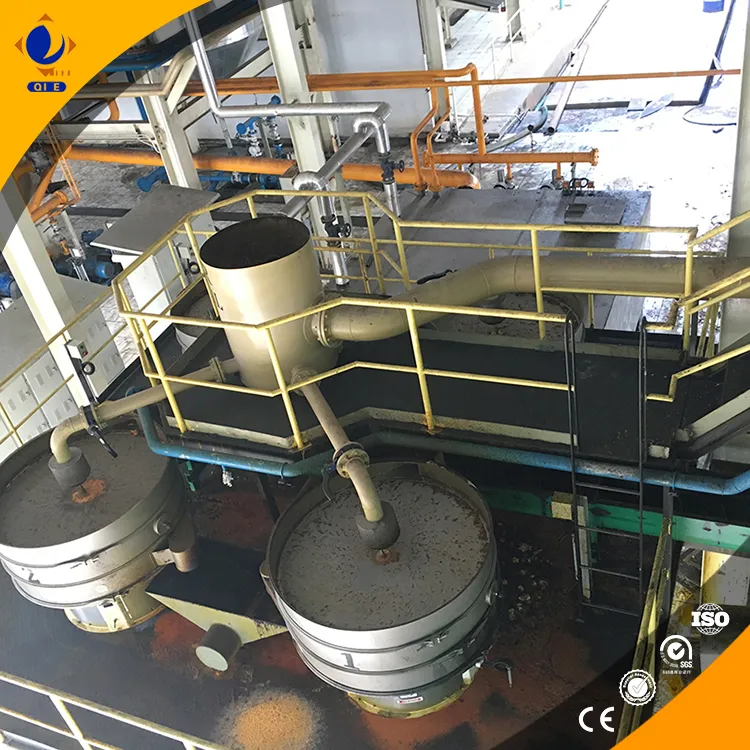
As Southeast Asia’s palm oil output continues to grow—driven by rising global demand and expanding smallholder networks—the pressure on new and existing factories to meet environmental standards is intensifying. In Indonesia and Malaysia alone, over 4,000 processing plants operate today, with more than 60% built within the last decade. Yet compliance gaps remain a major risk for investors who overlook wastewater treatment and energy monitoring systems early in their planning phase.
From site selection to production efficiency, several critical decisions shape long-term viability. For instance, choosing between cold-press and hot-press extraction can impact both yield and sustainability:
A study from the Malaysian Palm Oil Board found that facilities using automated PLC-based control systems saw a 27% reduction in unplanned downtime and improved outturn consistency across shifts—key factors in passing local audits and securing export licenses.
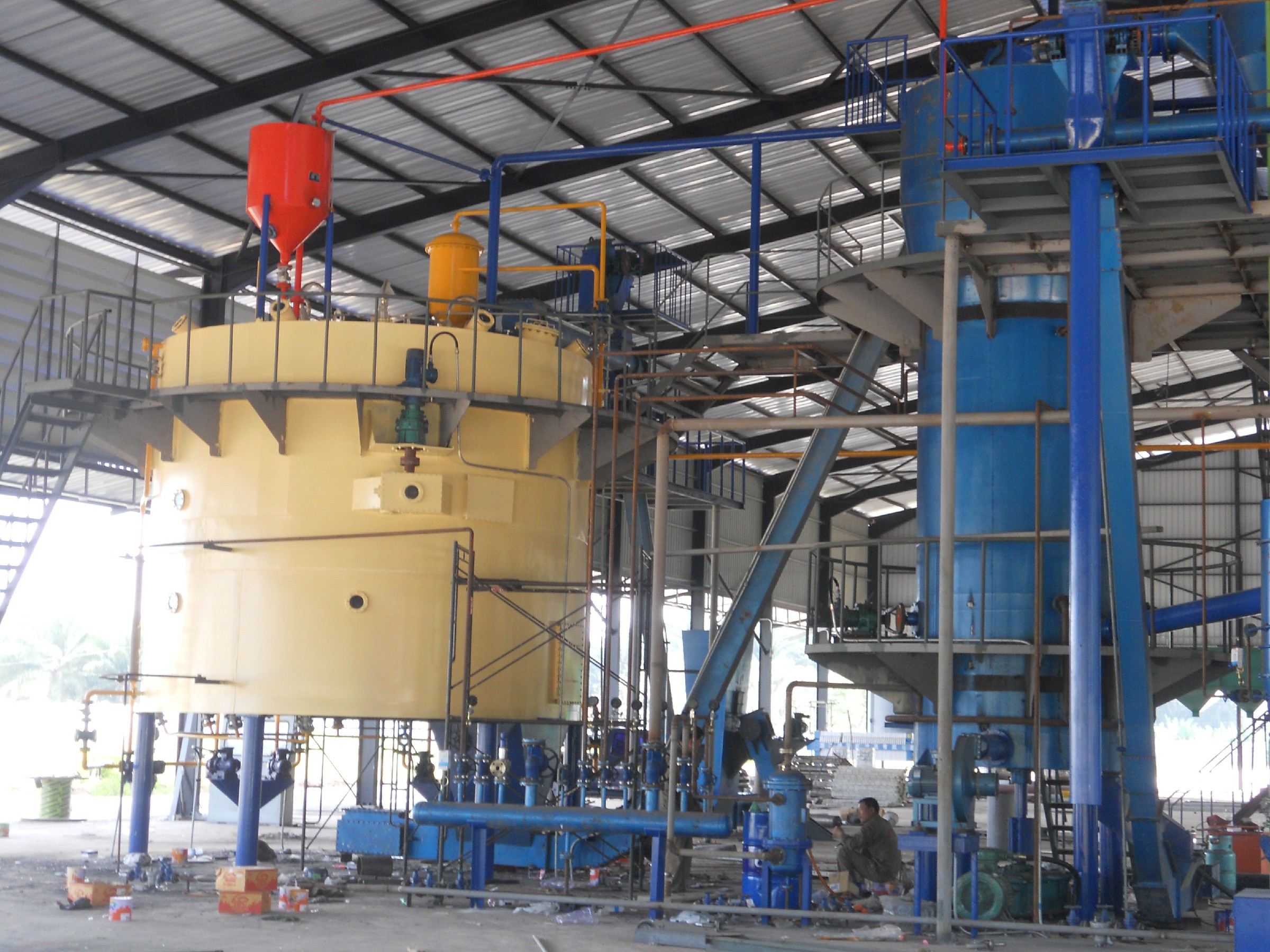
Many operators underestimate how much operational cost and regulatory risk stem from poor waste management. In Thailand, for example, non-compliant effluent discharge can result in fines up to USD 15,000 per incident—and even suspension of operations if repeated.
Modern solutions integrate IoT-enabled sensors into digesters and clarifiers, allowing continuous tracking of COD (Chemical Oxygen Demand), pH levels, and sludge volume. This not only ensures compliance with national standards like Indonesia’s PP 12/2021 but also helps reduce chemical usage by up to 30%, lowering operating costs significantly.
Meanwhile, real-time energy dashboards enable managers to identify inefficiencies—such as high electricity use during off-peak hours or inconsistent steam pressure—that often go unnoticed without proper monitoring tools.
Even the best equipment fails without trained personnel. A common issue faced by mid-sized mills is fluctuating feedstock moisture content—especially during rainy seasons—which affects pressing efficiency and increases energy needs by up to 12%. Implementing a simple daily calibration protocol for moisture sensors can prevent this, saving thousands in unnecessary fuel costs annually.
Investing in structured training programs—not just for engineers but also for shift supervisors—is one of the most overlooked yet impactful steps toward sustainable performance.
Download our free guide: “Essential Steps to Comply with ASEAN Environmental Standards for Palm Oil Factories” — packed with actionable insights, checklists, and case studies from successful projects in Vietnam, Indonesia, and Papua New Guinea.
Get Your Free Guide Now → palm oil refining equipment
automated oil processing machinery
grain and oil machinery export
international certified refining technology
high-capacity palm oil production
automated palm oil processing
small scale palm oil equipment
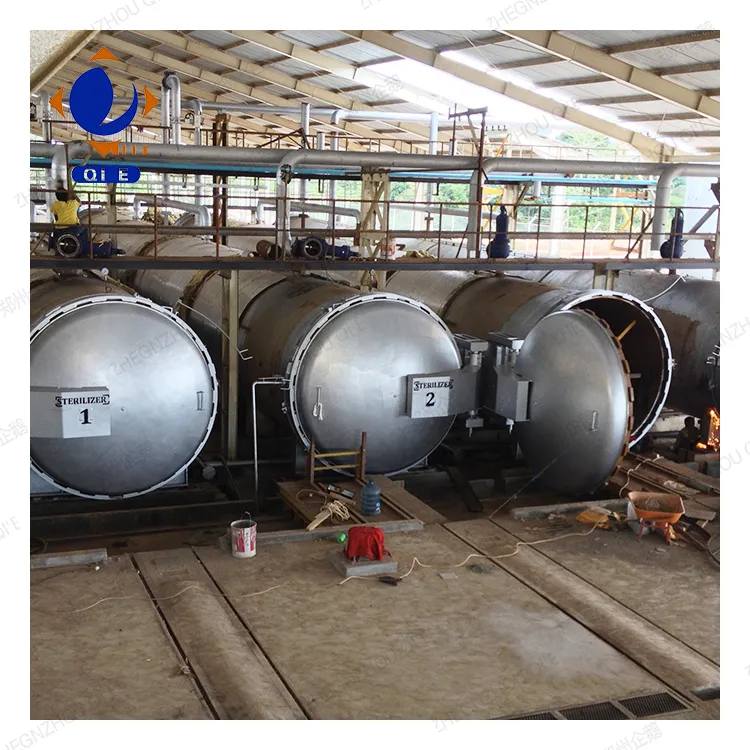
palm oil sterilization system
palm oil refining process
automated oilseed processing
grain and oil processing equipment maintenance cost
palm oil processing equipment warranty
automated grain oil machinery reliability
energy efficiency in grain processing
core components 36-month warranty
palm oil production automation
PLC control systems
palm oil production efficiency
energy saving in palm oil processing
modular automation installation
red palm oil equipment customer analysis
export market promotion strategy
grain and oil machinery customer profiling
automatic palm oil refining equipment
overseas market customer behavior modeling
palm oil refining equipment
automated oil processing machinery
grain and oil machinery export
international certified refining technology
high-capacity palm oil production
automated palm oil processing
small scale palm oil equipment
palm oil sterilization system
palm oil refining process
automated oilseed processing
grain and oil processing equipment maintenance cost
palm oil processing equipment warranty
automated grain oil machinery reliability
energy efficiency in grain processing
core components 36-month warranty
palm oil production automation
PLC control systems
palm oil production efficiency
energy saving in palm oil processing
modular automation installation
red palm oil equipment customer analysis
export market promotion strategy
grain and oil machinery customer profiling
automatic palm oil refining equipment
overseas market customer behavior modeling









.png?x-oss-process=image/resize,h_100,m_lfit/format,webp)
.png?x-oss-process=image/resize,h_100,m_lfit/format,webp)
.png?x-oss-process=image/resize,h_100,m_lfit/format,webp)