

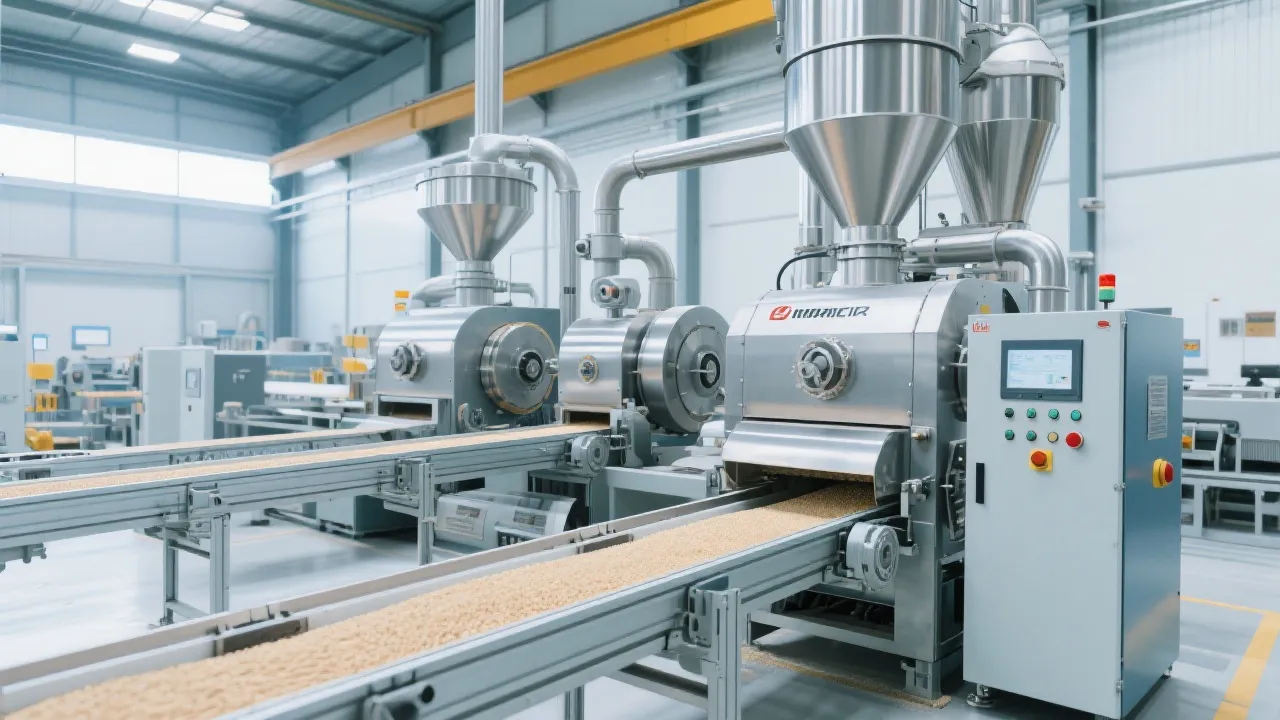
If you're running a small-to-medium palm oil processing plant and looking to boost safety, efficiency, and compliance—especially in food-grade production—this guide will walk you through the core components of an automated system that’s already proven at scale.
According to industry data from the International Oleochemical Association (IOA), small-scale processors using manual methods lose up to 8% of yield due to inconsistent temperature control and contamination risks. In contrast, fully automated systems reduce waste by 3–5%, while improving throughput by 20–30%. The secret? Modular design, precise feed control, and most importantly—food-grade stainless steel construction.
“Food-grade 304 stainless steel isn’t just about durability—it’s your first line of defense against microbial growth and chemical leaching.”
— Dr. Lena Müller, Food Safety Engineer, EU Food Tech Institute
| Step | Critical Control Point | Recommended Action |
|---|---|---|
| Feed Entry | Moisture content & particle size | Use inline moisture sensors + adjustable grinders |
| Sterilization | Time-Temperature profile (≥120°C for 15 min) | Install PID-controlled steam jackets |
| Refining | Free fatty acid reduction (<0.5%) | Integrate caustic neutralization tanks with real-time pH monitoring |
A palm oil mill in Indonesia upgraded their 500-ton/day facility to a fully automated line using modular units from QIE Group. Within 6 months, they achieved consistent output of 1,800–2,000 tons/day—with zero downtime from equipment failure. Key factors:
Many operators overlook regular cleaning cycles after high-temp operations. A study by the Malaysian Palm Oil Board found that failing to clean heat exchangers every 72 hours increased bacterial load by 300%. Here’s what to do instead:
Q: Can I retrofit my existing line?
A: Yes—if it's under 10 years old. QIE Group offers retrofit kits for older models (see our case studies).
Q: Is food-grade stainless really necessary?
A: Absolutely. Non-stainless materials can introduce heavy metals like lead or chromium into edible oils—risking both health and regulatory penalties.
Get a free feasibility assessment tailored to your current setup—including energy savings projections and ROI timeline.
Explore Custom Solutions →
 palm oil refining equipment
automated oil processing machinery
grain and oil machinery export
international certified refining technology
high-capacity palm oil production
automatic palm oil processing equipment
small-scale palm oil production line
low energy consumption palm oil production
temperature control in palm oil processing
food safety sterilization technology
Automated palm oil processing
Small - scale palm oil equipment
Palm oil sterilization process
Palm oil refining equipment
Intelligent upgrade of palm oil processing
grain oil processing equipment maintenance
palm oil equipment warranty period
automated equipment energy efficiency
equipment long-term reliability
global after-sales support network
red palm oil equipment customer analysis
export market promotion strategy
grain and oil machinery customer profiling
automatic palm oil refining equipment
overseas market customer behavior modeling
palm oil refining equipment
automated oil processing machinery
grain and oil machinery export
international certified refining technology
high-capacity palm oil production
automatic palm oil processing equipment
small-scale palm oil production line
low energy consumption palm oil production
temperature control in palm oil processing
food safety sterilization technology
Automated palm oil processing
Small - scale palm oil equipment
Palm oil sterilization process
Palm oil refining equipment
Intelligent upgrade of palm oil processing
grain oil processing equipment maintenance
palm oil equipment warranty period
automated equipment energy efficiency
equipment long-term reliability
global after-sales support network
red palm oil equipment customer analysis
export market promotion strategy
grain and oil machinery customer profiling
automatic palm oil refining equipment
overseas market customer behavior modeling








.png?x-oss-process=image/resize,h_100,m_lfit/format,webp)
.png?x-oss-process=image/resize,h_100,m_lfit/format,webp)
.png?x-oss-process=image/resize,h_100,m_lfit/format,webp)


