Home > News > Comprehensive Palm Oil Sterilization Process: Ensuring Safety and Compliance with Food-Grade Stainless Steel Equipment

Comprehensive Palm Oil Sterilization Process: Ensuring Safety and Compliance with Food-Grade Stainless Steel Equipment

QI ' E Group
2025-11-09
Application Tutorial
This article provides an in-depth analysis of the full automation sterilization process for small to medium-scale palm oil processing, emphasizing the role of food-grade stainless steel equipment in guaranteeing safe and compliant production. It highlights the core advantages of the equipment, automation operation essentials, and modular system design to achieve efficient and stable daily throughput up to 2000 tons. Included are detailed troubleshooting and maintenance tips to help users quickly master equipment application and technical evaluation. Combining practical guidance with industry case studies, this article serves as a valuable reference for palm oil processors aiming to enhance production efficiency and product quality. The conclusion features an introduction to Qe Group’s fully automated palm oil processing solutions and contact channels to facilitate client inquiries.
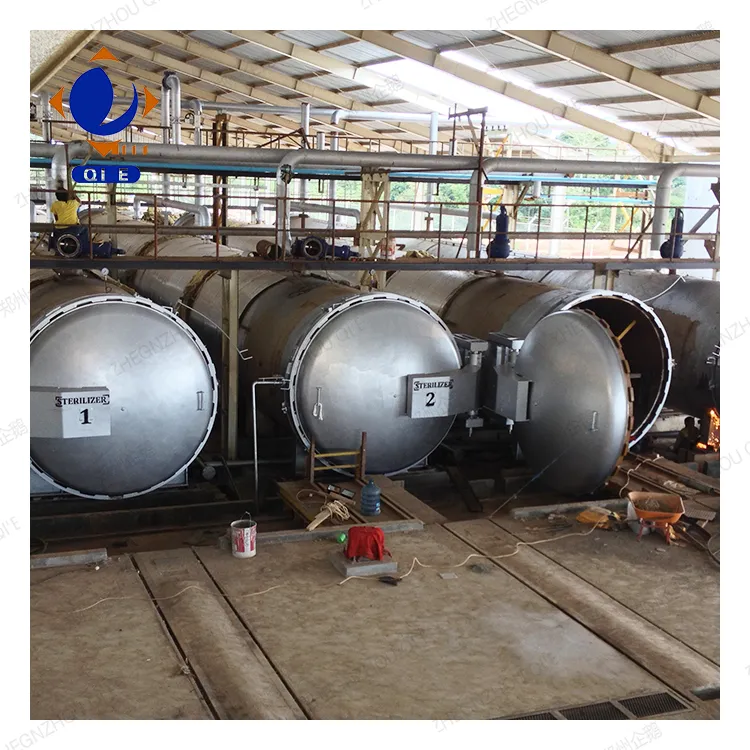
Stainless steel sterilization chamber in palm oil processing plant

Palm Oil Sterilization Process Explained: Ensuring Safety and Compliance with Food-Grade Stainless Steel Equipment

In the palm oil processing industry, moving towards full automation and enhanced safety standards is pivotal for small to medium-scale producers aiming to scale efficiently. This detailed guide explores the entire sterilization process of palm oil, emphasizing the critical role of food-grade stainless steel equipment in guaranteeing both product safety and regulatory compliance. Combining technical insights with practical operational tips, it is tailored for businesses targeting an output capacity of up to 2,000 tons per day.

The sterilization phase is key to inactivating enzymes and microbial contaminants, preserving oil quality and shelf life. This article unpacks the process workflow, equipment advantages, energy efficiency considerations, and maintenance strategies. Additionally, it highlights how modular design and automation optimize operational stability, reduce downtime, and uphold stringent hygiene standards.

Core Advantages of Food-Grade Stainless Steel in Palm Oil Sterilization

Utilizing food-grade stainless steel (usually 316L or 304 grades) ensures resistance against corrosion caused by exposure to acidic palm fruit and steam. This prevents metallic contamination and supports hygiene compliance aligned with international food safety certifications such as ISO 22000 and HACCP. Key benefits include:

  • Enhanced durability enabling continuous operation in high-temperature (>140°C) and high-humidity environments.
  • Non-reactive and easy-to-clean surfaces minimizing biofilm formation and microbial growth.
  • Energy efficiency through improved thermal conduction and insulation when combined with modular system design.
  • Compliance with FDA and EU food contact material regulations, instilling buyer confidence globally.

Step-by-Step Palm Oil Sterilization Process Workflow

Process Stage Operational Description Key Technical Considerations
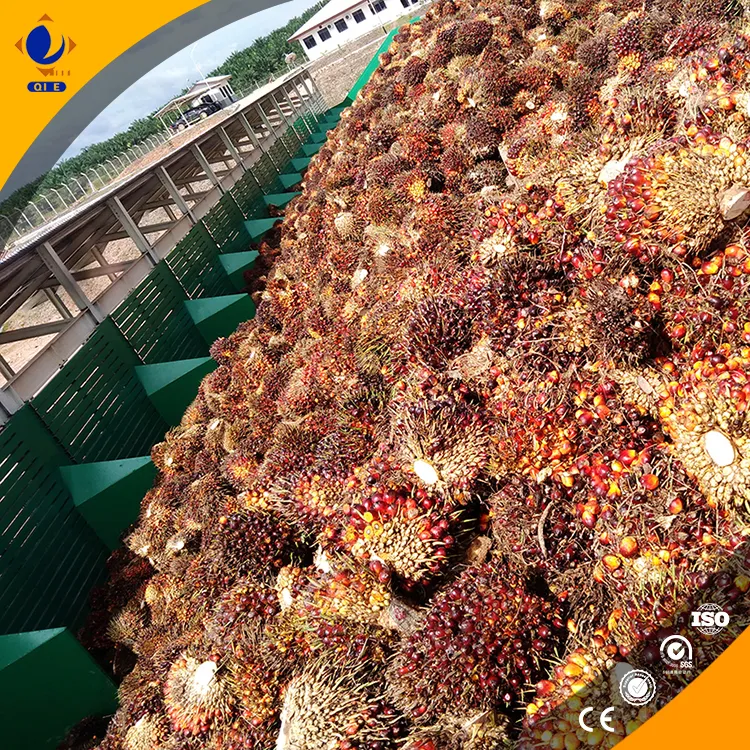
Raw Fruit Intake Controlled feeding of fresh palm fruit into the sterilizer. Feed rate stabilization 1-3 tons/min to avoid process overload.
Steam Sterilization High-pressure steam treatment at 140-150°C for 60-90 minutes. Pressure and temperature sensors ensure process stability; automated valves control steam input.
Sterilized Fruit Discharge Release of treated fruit to extraction phase with minimized nutrient loss. Modular design facilitates quick switching between batches, enhances throughput.
Cooling and Wastewater Handling Rapid cooling to preserve oil integrity; proper handling of steam condensate. Heat recovery systems improve energy savings by up to 15%.

These stages collectively ensure that the palm oil raw material achieves microbial safety while maintaining oil yield and quality. The process's automation guarantees repeatability and traceability, critical factors for international buyers.

Automation and Modular System Design for Enhanced Productivity

Automation integration reduces manual intervention and human error while streamlining data monitoring and control. Key automation features include:

  • Programmable Logic Controllers (PLCs) for real-time process management.
  • Remote monitoring dashboards to track temperature, pressure, and throughput.
  • Automated steam valves and torque-controlled feeders for precision and consistency.

Modular design allows easy scaling and maintenance. Producers can add or remove sterilization chambers based on capacity demand without major system overhauls, optimizing capital expenditure.
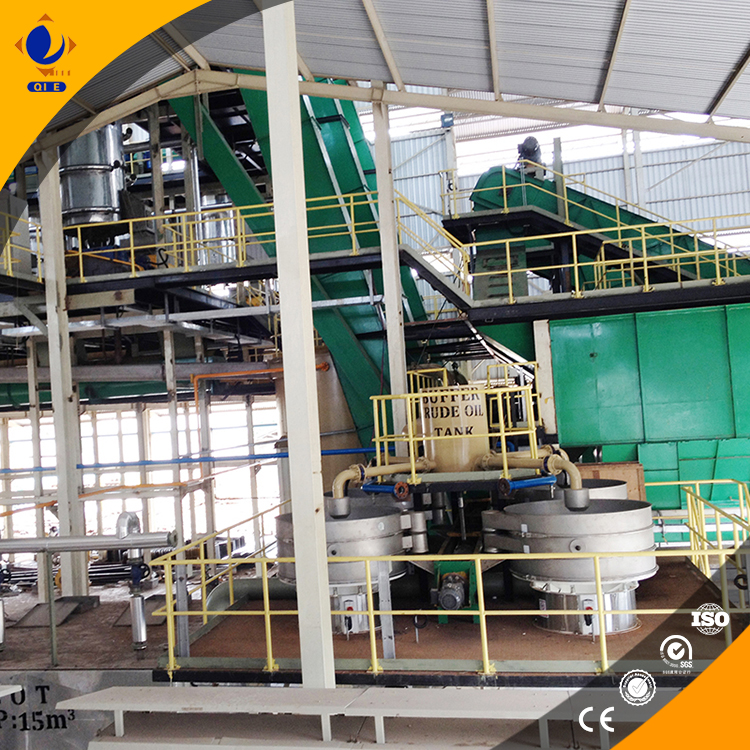
Stainless steel sterilization chamber in palm oil processing plant

Practical Maintenance and Troubleshooting Tips

To maximize equipment lifespan and minimize downtime, routine maintenance includes:
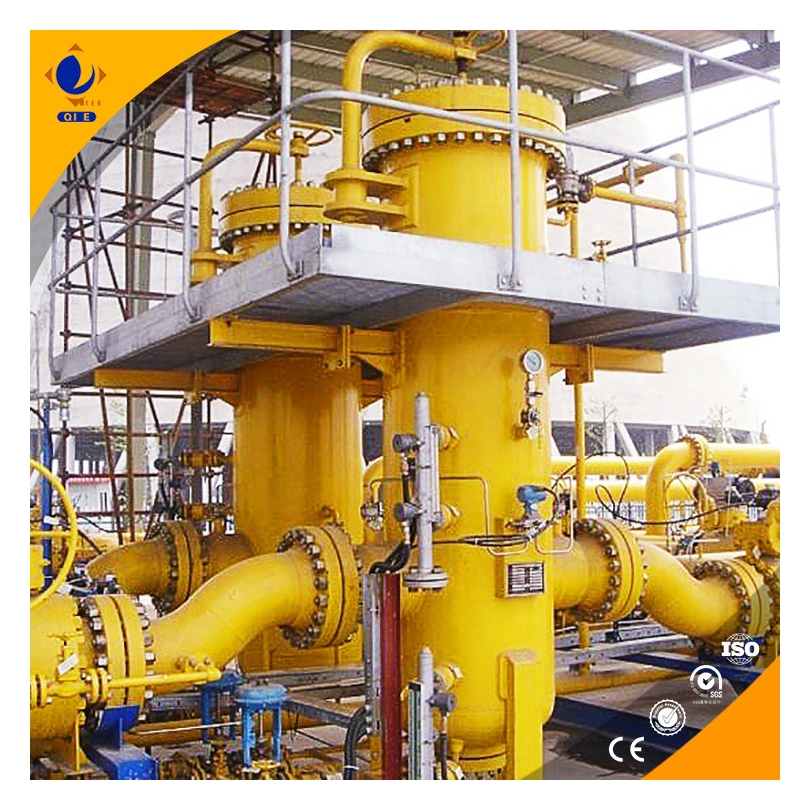
  • Daily inspection of steam seals and pressure gauges for consistent readings.
  • Weekly cleaning cycles with food-safe detergents to prevent residue buildup.
  • Monthly calibration of automation sensors and control devices.
  • Quick-response protocols for common faults such as steam leakage or overpressure alarms, usually resolved through valve replacements and controller resets.
Operator performing maintenance on automated palm oil sterilizer equipment

Industry Case Study: Achieving 2,000 Tons Daily Throughput

A mid-sized palm oil producer in Southeast Asia recently upgraded to a fully automated sterilization line equipped with food-grade stainless steel. By employing modular sterilizers and precision automation, they:

  • Increased sterilization efficiency by 18%, reducing energy consumption per ton.
  • Maintained consistent oil quality with microbial counts below detection limits.
  • Reduced labor costs by 25% through automation and remote monitoring.
  • Received multiple international certifications, opening access to new export markets in the EU and North America.

Frequently Asked Questions (FAQ)

Q: What stainless steel grade is optimal for palm oil sterilizers?
A: 316L stainless steel is preferred for its superior corrosion resistance in acidic steam environments, although 304 can be used in less demanding conditions.
Q: How does automation improve palm oil sterilization?
Automation enables precise control of temperature, pressure, and timing, ensuring consistent sterilization quality and reducing operator errors.
Q: What is the typical energy consumption for a sterilizer processing 1,500 tons daily?
Energy use varies but optimized systems consume approximately 20-25 kWh per ton, benefiting significantly from heat recovery modules.
Q: How often should sterilizer equipment be cleaned?
Daily surface cleaning coupled with weekly deep cleaning is recommended to maintain hygiene and operational efficiency.
Flowchart of the sterilization process in automated palm oil production facility

Discover how QIE Group’s fully automated palm oil processing solutions leverage industry-leading food-grade stainless steel equipment to empower your production with safety, efficiency, and global compliance. Contact us today to elevate your palm oil sterilization process and tap into international markets confidently.

Name *
Email *
WhatsApp *
Message*

Recommended Products

Related Reading

Implementing ISO9001 Quality Management in Palm Oil Production: A Full-Process Control Approach from Raw Material to Finished Product

2025-10-21 | https://shmuker.oss-accelerate.aliyuncs.com/tmp/temporary/60ec5bd7f8d5a86c84ef79f2/60ec5bdcf8d5a86c84ef7a9a/20240305160636/lable.png palm oil processing iso9001 quality management automated oil refining food safety sterilization oil quality control

Innovative Palm Oil Refining Equipment and Its Competitive Edge in the Global B2B Market

2025-10-13 | https://shmuker.oss-accelerate.aliyuncs.com/tmp/temporary/60ec5bd7f8d5a86c84ef79f2/60ec5bdcf8d5a86c84ef7a9a/20240305160636/lable.png palm oil refining equipment automated oil processing machinery grain and oil machinery export international certified refining technology high-capacity palm oil production

Efficient Automation in Small-Scale Palm Oil Processing: Energy Optimization and Food-Grade Stainless Steel Equipment Selection Guide

2025-11-03 | https://shmuker.oss-accelerate.aliyuncs.com/tmp/temporary/60ec5bd7f8d5a86c84ef79f2/60ec5bdcf8d5a86c84ef7a9a/20240305160636/lable.png small-scale palm oil processing automation energy-efficient palm oil equipment food-grade stainless steel palm oil machinery automated palm oil refining line palm oil sterilization technology

Palm Fruit vs. Palm Kernel: Differential Processing Techniques and Equipment Selection Guide (With Flowchart)

2025-10-23 | https://shmuker.oss-accelerate.aliyuncs.com/tmp/temporary/60ec5bd7f8d5a86c84ef79f2/60ec5bdcf8d5a86c84ef7a9a/20240305160636/lable.png palm oil processing equipment palm fruit processing technology palm kernel oil extraction automated palm oil production line food safety sterilization system

Modular Design for Flexible Capacity: 2000 Tonnes/Day Palm Oil Processing in Small to Medium Plants

2025-11-05 | https://shmuker.oss-accelerate.aliyuncs.com/tmp/temporary/60ec5bd7f8d5a86c84ef79f2/60ec5bdcf8d5a86c84ef7a9a/20240305160636/lable.png palm oil automation system modular palm oil processing small scale palm oil plant palm oil sterilization technology automated palm oil production
Hot Products

Popular articles
H9536ca7185444c31bde7ada10c162265v.jpg
Hafdee27a45a54c9281fcfa8fcbc7cfdbv.jpg
Hf70c04ccb1c743d58bfb547e92bbbc5fi.jpg
H1e6f11b03cad4e6eb02c6e8ecf3ca45e6.jpg
H281a2149730b441080337a7d702ee69bG.jpg
H6e124e83270a44e19655c9e7c22b3d036.jpg
Hf18896420eb34c6181385cb623c9bc91R.jpg
H119b39ce9ef9446a9d6067c2230143a0Y.jpg
H0f35c5c9e3594e0090767512b7996d64r.jpg
Ha891fef830d2420c9cc3c51b1cd695faC.jpg
Recommended Reading
Contact us
Contact us
https://shmuker.oss-accelerate.aliyuncs.com/tmp/temporary/60ec5bd7f8d5a86c84ef79f2/60ec5bdcf8d5a86c84ef7a9a/thumb-prev.png