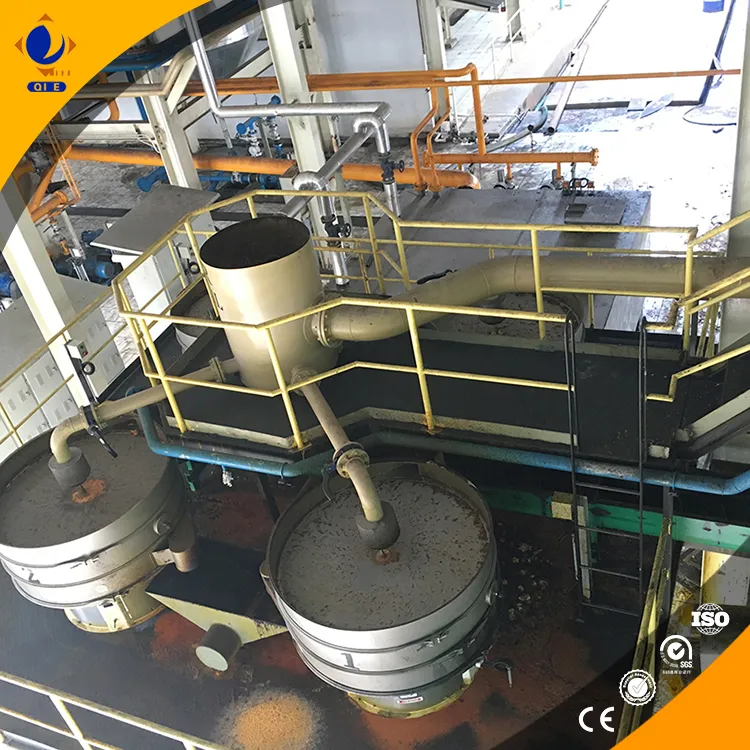
For palm oil producers—especially small and mid-sized farms and processors—operational efficiency isn’t just about cutting costs. It’s about staying competitive in a global market where consistency, uptime, and energy use matter more than ever.
Modern PLC (Programmable Logic Controller) systems are no longer the domain of engineers alone. They’re now accessible, intuitive tools that help non-technical operators monitor, optimize, and protect their production lines. Here’s how:
One of the biggest barriers to automation adoption? Installation time. Modular PLC units—designed for plug-and-play integration—can cut commissioning from weeks to under 5 days. A case study from a 20-ton/hour processing plant in Nigeria showed a 60% reduction in setup labor costs when using standardized modules.
This means faster ROI, less disruption to daily operations, and quicker access to real-time performance dashboards that show exactly where improvements can be made.
The “Five Steps to Energy Efficiency” framework used by leading producers includes:
On average, farms applying these steps report a 15–20% drop in kWh per ton processed—a win for both the bottom line and environmental compliance.
Why This Matters for You: Whether you're a farm owner looking to scale sustainably or an SME processor aiming for smoother operations, this isn't theory—it's tested methodology. We’ve seen it work in Southeast Asia, Africa, and South America.
If your current system still relies on manual logs and reactive fixes, you're likely missing out on measurable gains. The good news? You don’t need to overhaul everything at once. Start with one line, one process, and let data guide your next move.
Download our free “Palm Oil Line Automation Readiness Checklist”—a practical tool to assess your current setup and identify quick wins.
Get Your Free PDF Now Fully automated palm oil processing equipment
Palm fruit processing technology
Palm kernel refining process
Low - energy palm oil production
Food safety sterilization technology
palm oil processing equipment
advanced sterilization technology
food - grade stainless - steel equipment
palm fruit refining process
low - energy and high - efficiency production
automated palm oil processing
small-scale palm oil equipment
palm oil sterilization process
automated palm oil production line
palm oil refining technology
palm oil processing equipment
palm fruit processing technology
palm kernel oil extraction
automated palm oil production line
food safety sterilization system
grain and oil processing equipment maintenance cost
palm oil processing equipment warranty period
automated equipment energy efficiency
long-term operational cost reduction
food-grade stainless steel processing equipment
Fully automated palm oil processing equipment
Palm fruit processing technology
Palm kernel refining process
Low - energy palm oil production
Food safety sterilization technology
palm oil processing equipment
advanced sterilization technology
food - grade stainless - steel equipment
palm fruit refining process
low - energy and high - efficiency production
automated palm oil processing
small-scale palm oil equipment
palm oil sterilization process
automated palm oil production line
palm oil refining technology
palm oil processing equipment
palm fruit processing technology
palm kernel oil extraction
automated palm oil production line
food safety sterilization system
grain and oil processing equipment maintenance cost
palm oil processing equipment warranty period
automated equipment energy efficiency
long-term operational cost reduction
food-grade stainless steel processing equipment








.png?x-oss-process=image/resize,h_100,m_lfit/format,webp)
.png?x-oss-process=image/resize,h_100,m_lfit/format,webp)
.png?x-oss-process=image/resize,h_100,m_lfit/format,webp)