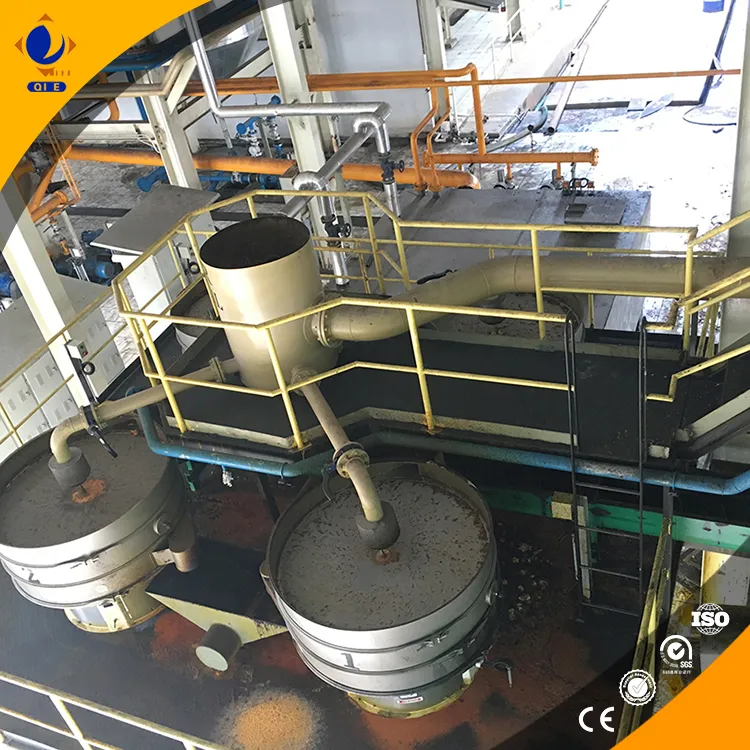
In the rapidly growing palm oil industry across Southeast Asia, selecting reliable core components for production lines directly impacts operational stability and long-term profitability. This guide unpacks the advantages of internationally renowned brand components, explains how CE certification enhances equipment safety, and explores customized design strategies for pressing, extraction, and refining stages. It empowers technical procurement specialists and product managers with data-driven insights to make effective equipment choices aligned to diverse operational scales — from smallholder farms to medium-sized processing units and food manufacturers.
The palm oil sector in Southeast Asia accounts for over 85% of global production, with countries like Indonesia and Malaysia leading the surge in output. This boom creates critical demand for high-efficiency, resilient equipment capable of handling continuous, large-volume operations. Key challenges include minimizing downtime, reducing energy consumption, and ensuring compliance with international quality and safety standards to meet export-driven market requirements.
Key takeaway: Investing in internationally certified equipment can reduce production interruptions by up to 30% and improve output quality consistency by 15-20%.
The palm oil production line typically involves three critical stages:
Customization of these stages is essential to adapt equipment size, automation level, and energy configuration according to operational scale and product specifications.
| Component | International Brand Example | Performance Advantage | Typical Lifespan |
|---|---|---|---|
| Pump | Grundfos | High corrosion resistance, energy-efficient design | 10+ years |
| Electric Motor | Siemens | Stable torque delivery, low maintenance | 15 years |
| Control System | Schneider Electric | Precision automation, remote diagnostics | 12+ years |
CE certification guarantees that equipment complies with European Union health, safety, and environmental standards — critical for international acceptance and export feasibility. It reflects rigorous evaluation of electrical safety, machinery directives, and electromagnetic compatibility, reducing legal and operational risks.
ISO9001:2000 provides a quality management framework ensuring strict process control, consistent manufacturing quality, and continual improvement. Equipment meeting this standard typically exhibits fewer breakdowns and delivers long-term stability.
Investing in CE and ISO-compliant core components can decrease maintenance costs by up to 25% and improve production uptime by 18%, directly impacting ROI.
Given the logistical complexity of deploying palm oil production lines, modular component designs enable easier transportation, flexible on-site installation, and faster commissioning. Leading manufacturers also offer comprehensive warranty packages including parts replacement and technical support, lowering the risk and cost burden borne by users.
Such turnkey service approaches help new entrants or small-scale plants achieve rapid start-up, realizing operational cash flow quicker.
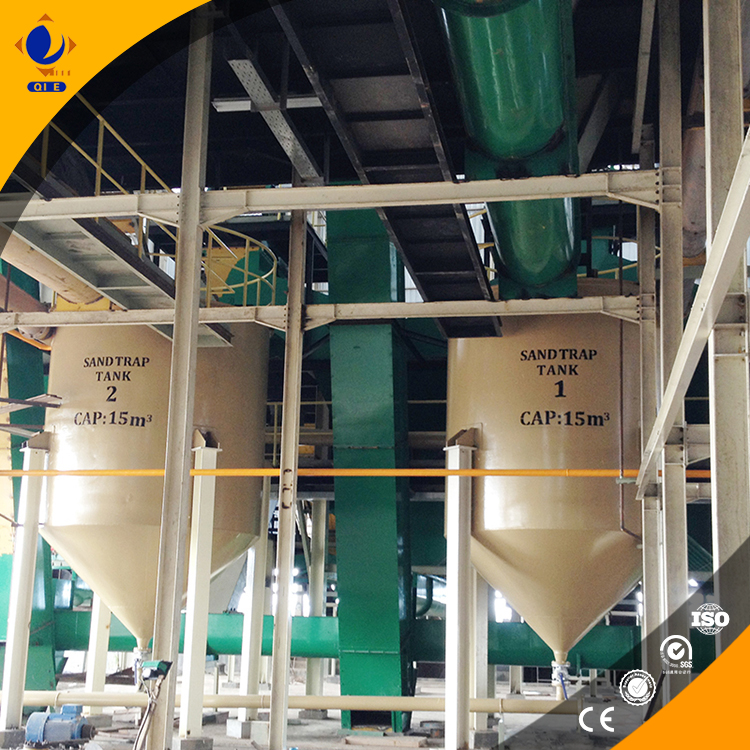
Choosing the right configuration depends on your processing capacity, budget, and product goals. For example:
Ask yourself: "Which stage—pressing, extraction, or refining—is my bottleneck? Should I prioritize energy efficiency or automation level? What are my output quality requirements?" Addressing these will focus your core component selection.
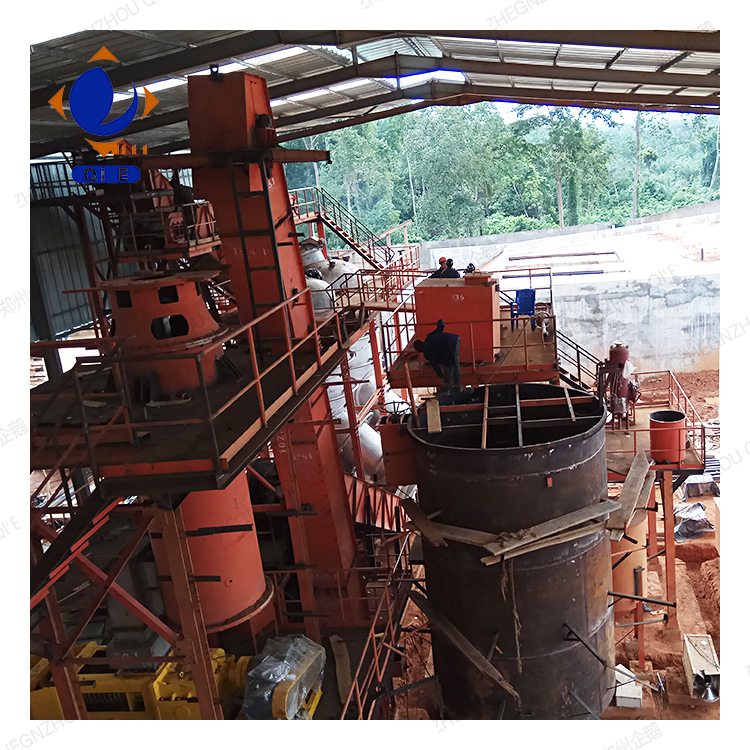
Your factory’s optimal process configuration is just a consultation away. Explore tailored solutions today and boost your operational efficiency.

 palm oil sterilization process
food-grade stainless steel equipment
palm oil automation equipment
small scale palm oil processing
palm oil production efficiency
Fully automated palm oil processing equipment
Palm fruit processing technology
Palm kernel refining process
Low - energy palm oil production
Food safety sterilization technology
automated palm oil processing equipment
low energy consumption palm oil plant
palm fruit vs palm kernel processing
food safety sterilization in oil refining
ISO 9001 quality control in palm oil production
palm oil expeller press equipment
low energy palm oil processing
palm kernel processing technology
food safety in palm oil refining
ISO 9001 certified oil processing
palm oil production automation
PLC control systems
palm oil production efficiency
energy saving in palm oil processing
modular automation installation
palm oil sterilization process
food-grade stainless steel equipment
palm oil automation equipment
small scale palm oil processing
palm oil production efficiency
Fully automated palm oil processing equipment
Palm fruit processing technology
Palm kernel refining process
Low - energy palm oil production
Food safety sterilization technology
automated palm oil processing equipment
low energy consumption palm oil plant
palm fruit vs palm kernel processing
food safety sterilization in oil refining
ISO 9001 quality control in palm oil production
palm oil expeller press equipment
low energy palm oil processing
palm kernel processing technology
food safety in palm oil refining
ISO 9001 certified oil processing
palm oil production automation
PLC control systems
palm oil production efficiency
energy saving in palm oil processing
modular automation installation










.png?x-oss-process=image/resize,h_100,m_lfit/format,webp)
.png?x-oss-process=image/resize,h_100,m_lfit/format,webp)
.png?x-oss-process=image/resize,h_100,m_lfit/format,webp)