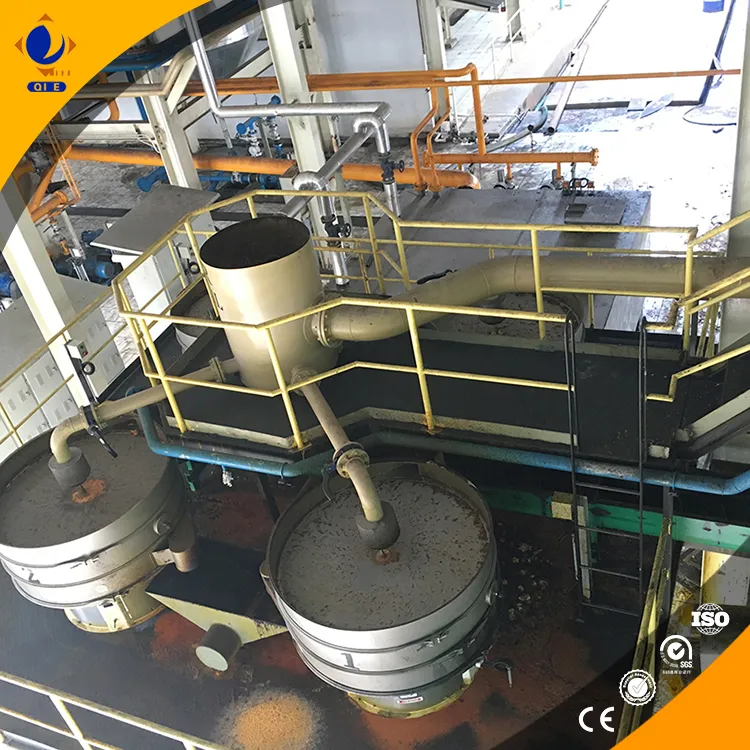
Have you ever struggled with inconsistent temperature or pressure fluctuations on your palm oil production line due to manual adjustments? If so, you’re not alone. Many facility managers continue to rely on traditional manual operations that introduce inefficiencies and costly downtime. Today, an intelligent Programmable Logic Controller (PLC) control system can transform your entire processing workflow, delivering automated precision, energy savings, and operational stability.
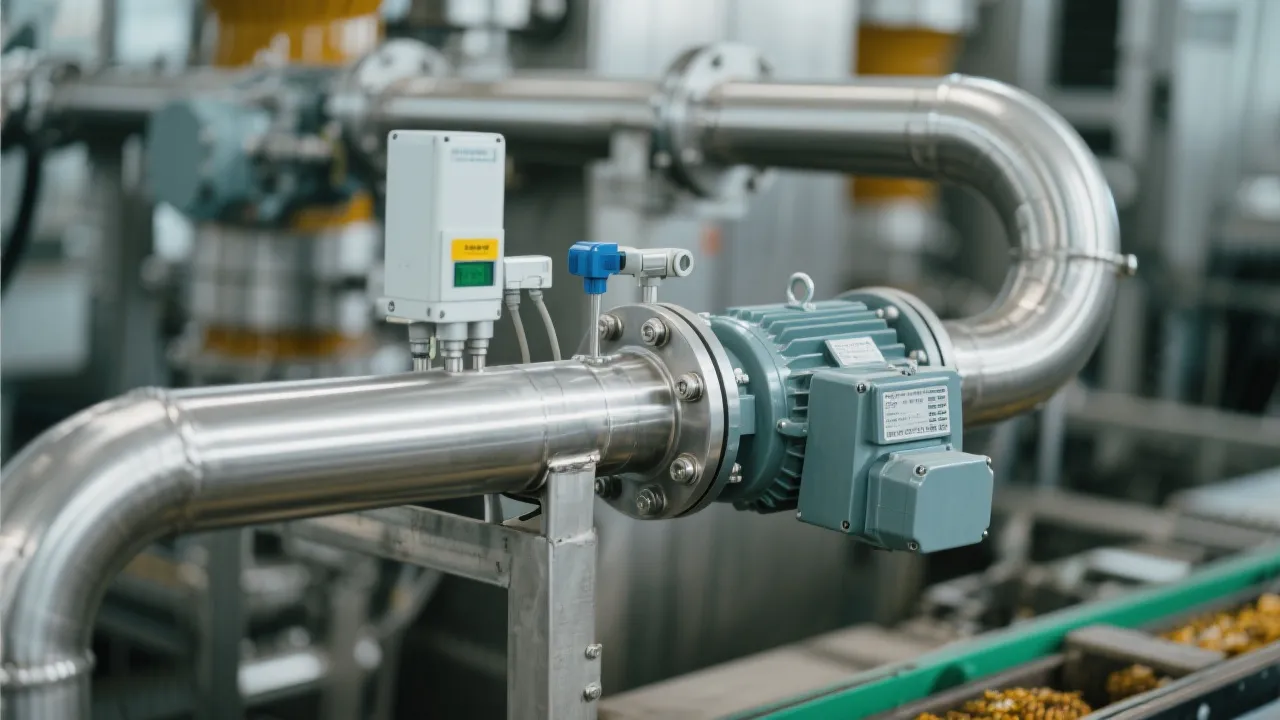
At its core, a PLC system functions as the central brain, continuously monitoring and adjusting critical process variables like temperature, pressure, and flow rates. Using sensors distributed throughout the production line, it gathers real-time data and executes control commands within milliseconds. This continuous feedback loop ensures parameters stay within programmed thresholds to optimize extraction rates and product quality.
Unlike manual controls, which respond reactively and often too late, an intelligent PLC anticipates deviations via embedded algorithms and instantly corrects them—significantly reducing energy wastage and minimizing unplanned stoppages.
Precision is the name of the game for boosting palm oil yields while curbing costs. Our clients report that by implementing PLC smart controls, energy consumption drops by up to 15-20%, largely attributed to:
Moreover, the system’s centralized interface enables operators to monitor the entire line’s performance with a single glance — no more toggling between disparate control panels. As one of our customers puts it: "One button controls the entire line’s temperature and pressure — this is not a fantasy, but our daily reality."
Downtime is the enemy of productivity and profitability. Traditional maintenance routines often rely on fixed schedules or worse, post-failure repairs. PLC systems leverage fault detection logic that identifies early signs of abnormal operation:
This empowers maintenance teams to intervene proactively, reducing unscheduled downtime by an estimated 30-40%, making your production both safer and more cost-efficient.
A modular, plug-and-play architecture is critical to rapid deployment and future scalability. One mid-sized palm oil processing plant in Indonesia reported a 50% reduction in installation and commissioning time after switching to a modular PLC control solution. Key benefits included:
This accelerated time-to-market, enabling the farm and processing facility to ramp up to full capacity within weeks rather than months.
Here are benchmarked statistics drawn from several installations measured over 6 months:
| Metric | Before PLC | After PLC | Improvement |
|---|---|---|---|
| Energy Consumption (kWh/ton) | 220 | 185 | -16% |
| Average Downtime (hours/month) | 12 | 7 | -42% |
| Yield Consistency (% variance) | ±8% | ±3% | Improved Stability |
These measurable gains not only prove the value of PLC automation but also translate directly into quicker ROI and increased profit margins.
Our proven methodology helps you adopt a practical, replicable approach to energy optimization:
Implementing these steps with your intelligent PLC system will consistently sharpen your competitive edge.
Interactive question: Have you experienced unexpected fluctuations caused by manual adjustments on your production line? Share your challenges below to learn tailored solutions.
 palm oil processing
iso9001 quality management
automated oil refining
food safety sterilization
oil quality control
palm oil expeller press equipment
low energy palm oil processing
palm kernel processing technology
food safety in palm oil refining
ISO 9001 certified oil processing
palm oil processing equipment maintenance cost
automated oilseed processing system
smart monitoring for industrial machinery
36-month equipment warranty
global after-sales support
palm oil sterilization process
food grade stainless steel equipment
automated palm oil processing
small scale palm oil plant
palm oil refining equipment
palm oil processing equipment maintenance cost
automated粮油 processing equipment warranty
food-grade stainless steel machinery
long-term equipment reliability
energy-efficient oil processing system
palm oil processing
iso9001 quality management
automated oil refining
food safety sterilization
oil quality control
palm oil expeller press equipment
low energy palm oil processing
palm kernel processing technology
food safety in palm oil refining
ISO 9001 certified oil processing
palm oil processing equipment maintenance cost
automated oilseed processing system
smart monitoring for industrial machinery
36-month equipment warranty
global after-sales support
palm oil sterilization process
food grade stainless steel equipment
automated palm oil processing
small scale palm oil plant
palm oil refining equipment
palm oil processing equipment maintenance cost
automated粮油 processing equipment warranty
food-grade stainless steel machinery
long-term equipment reliability
energy-efficient oil processing system








.png?x-oss-process=image/resize,h_100,m_lfit/format,webp)
.png?x-oss-process=image/resize,h_100,m_lfit/format,webp)
.png?x-oss-process=image/resize,h_100,m_lfit/format,webp)