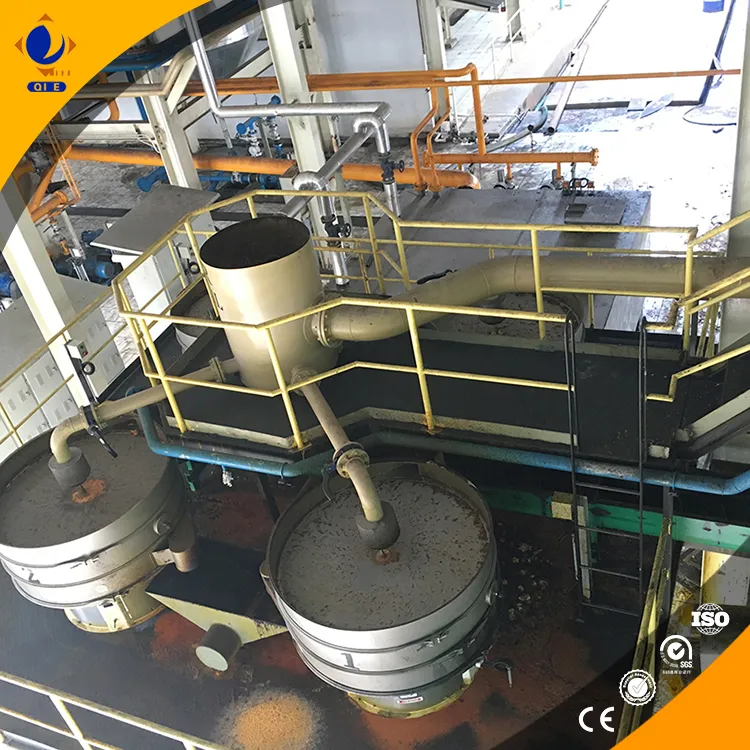
The dynamic palm oil industry in Southeast Asia continues to evolve rapidly, driven by increasing global demand for edible oils and biofuels. However, many export-oriented palm oil factories still face operational challenges that affect production stability and maintenance costs. Understanding the full lifecycle—from site selection and equipment choices to process optimization and environmental compliance—is critical to maximizing output while minimizing downtime and losses.
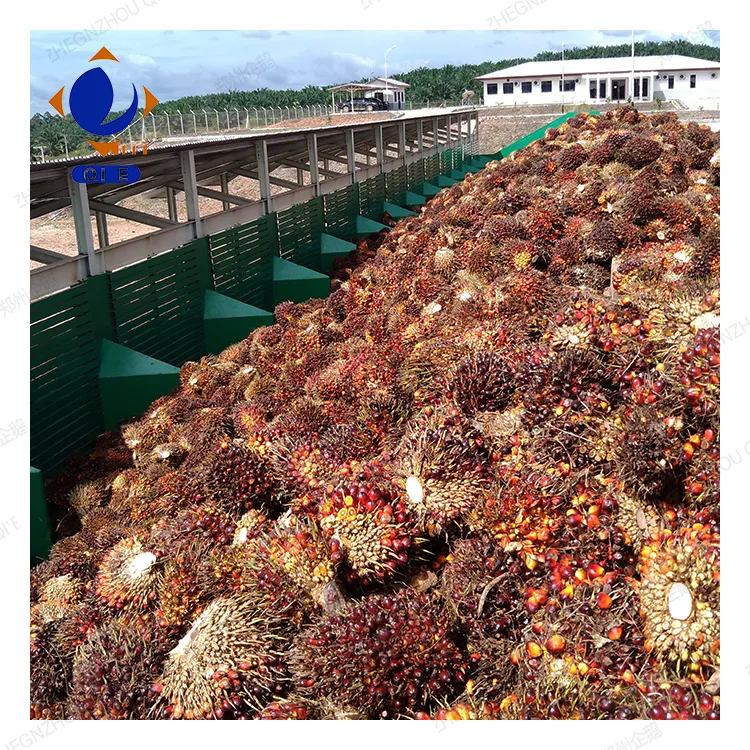
Building a palm oil production plant demands strategic decisions at multiple phases. Firstly, intelligent plant location selection is fundamental; proximity to fresh fruit bunch (FFB) supply chains and access to utilities can directly decrease logistics and operational costs by over 15%, as evidenced by data from a leading Indonesian processor. Secondly, selecting the right equipment and processing pathway—specifically between cold and hot pressing techniques—profoundly influences oil yield and quality.
“Field data from a leading Indonesian mill shows a 12% increase in yield when switching from traditional hot pressing to optimized cold pressing, with improved free fatty acid levels suitable for edible oil markets.”
Cold pressing operates at lower temperatures, preserving beneficial nutrients and providing superior product grades ideal for gourmet and health-focused buyers. It typically yields 8-12% less oil compared to hot pressing but compensates with higher market value. Conversely, hot pressing offers higher throughput and robustness, suitable for bulk commodity-grade oils. Decision-makers must weigh the trade-offs between yield and end-product application.
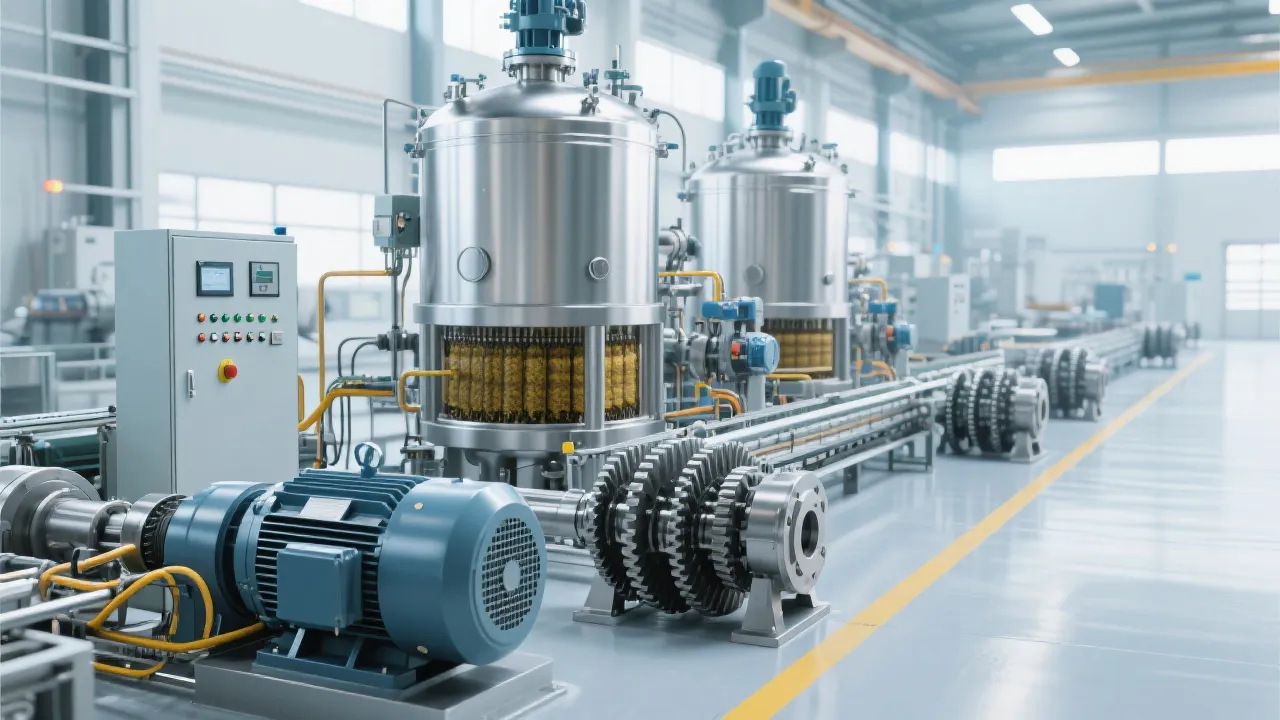
Modern palm oil plants increasingly depend on Programmable Logic Controllers (PLC) to ensure precise control over temperature, pressure, and extraction speeds. Such automation systems reduce variations in output quality by up to 20%, according to industry benchmarks. Moreover, integrated remote monitoring enables swift response to anomalies, significantly reducing unplanned downtime—usually by 10-15% annually.
These smart systems also facilitate predictive maintenance through real-time diagnostics, which is essential for export plants where consistent product quality aligns with stringent international standards.
Southeast Asian regulations concerning palm oil mill effluents and energy use are tightening. Incorporating advanced wastewater treatment and energy monitoring systems is no longer optional. Wastewater recycling technologies now reduce biological oxygen demand (BOD) levels by 35-50%, enabling compliance with Malaysian and Indonesian environmental laws. Concurrently, energy consumption tracking ensures electrical and steam usage remain within efficiency benchmarks, saving costs and improving sustainability credentials.
Even with premium equipment, production halts if workforce skills fall short. A structured training program combining hands-on workshops, digital modules, and periodic assessments can increase operator efficiency by 18%. Given the technical complexity associated with automated systems and nuanced operational procedures, such training ensures smooth ramp-up and long-term reliability.
Factories that invest in continuous upskilling see significantly lower rates of downtime, fewer operational errors, and improved product consistency.
For export factories, rapid identification and resolution of equipment and process issues can mean the difference between profit and loss. Our free Palm Oil Production Line Troubleshooting Handbook is designed to empower maintenance teams with actionable insights and a structured approach to common mechanical, electrical, and process faults encountered in palm oil plants.
Inside the handbook, you will find:

 palm oil production line core components
international brand palm oil equipment
CE certified palm oil machinery
automated palm oil processing line
customized palm oil processing solutions
palm oil production line
southeast asia palm oil factory
cold press vs hot press
automated control system
palm oil processing technology
palm oil automation system
modular palm oil processing
small scale palm oil plant
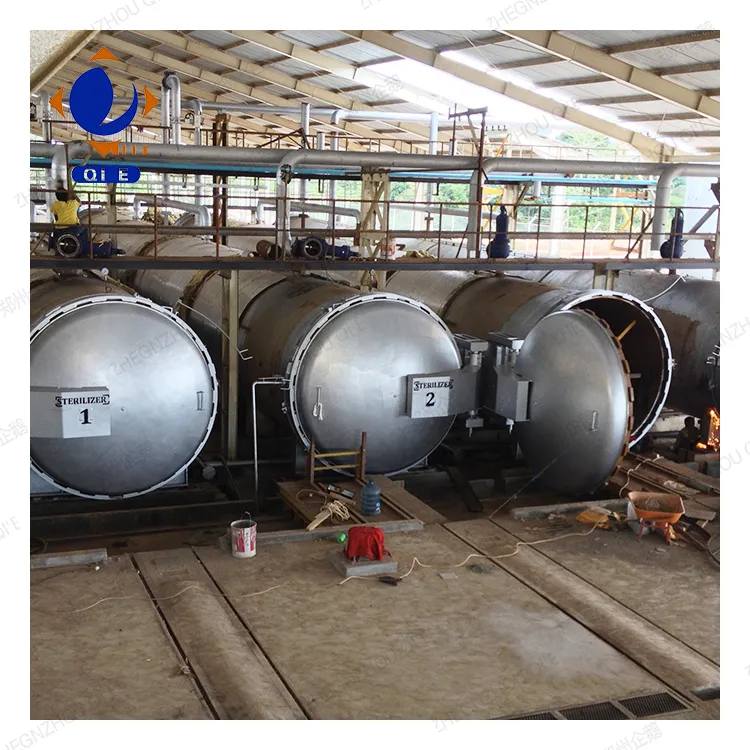
palm oil sterilization technology
automated palm oil production
red palm oil equipment customer analysis
export market promotion strategy
grain and oil machinery customer profiling
automatic palm oil refining equipment
overseas market customer behavior modeling
grain and oil processing equipment maintenance cost
palm oil processing equipment warranty period
automated equipment energy efficiency
long-term operational cost reduction
food-grade stainless steel processing equipment
palm oil production line core components
international brand palm oil equipment
CE certified palm oil machinery
automated palm oil processing line
customized palm oil processing solutions
palm oil production line
southeast asia palm oil factory
cold press vs hot press
automated control system
palm oil processing technology
palm oil automation system
modular palm oil processing
small scale palm oil plant
palm oil sterilization technology
automated palm oil production
red palm oil equipment customer analysis
export market promotion strategy
grain and oil machinery customer profiling
automatic palm oil refining equipment
overseas market customer behavior modeling
grain and oil processing equipment maintenance cost
palm oil processing equipment warranty period
automated equipment energy efficiency
long-term operational cost reduction
food-grade stainless steel processing equipment









.png?x-oss-process=image/resize,h_100,m_lfit/format,webp)
.png?x-oss-process=image/resize,h_100,m_lfit/format,webp)
.png?x-oss-process=image/resize,h_100,m_lfit/format,webp)