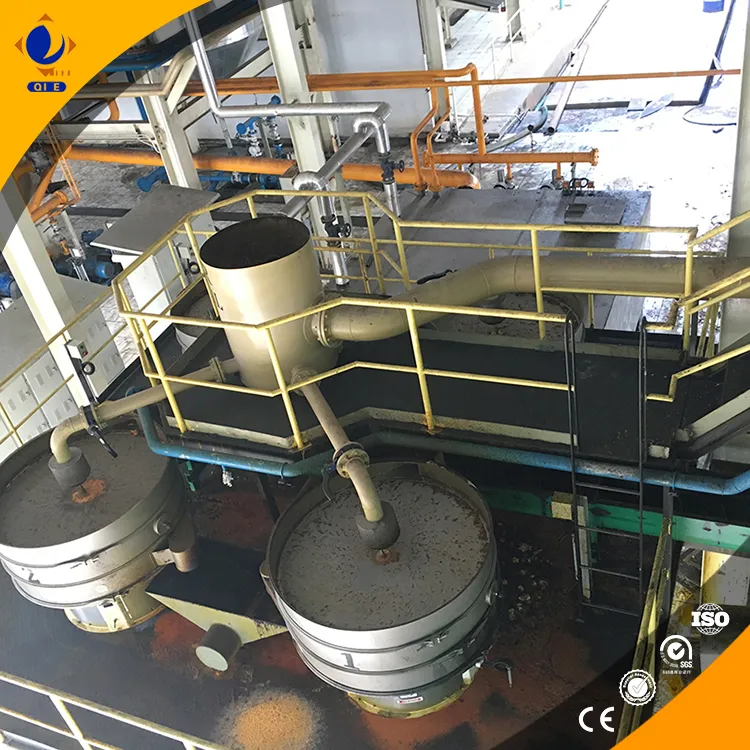
You’re running a palm oil production line but struggling with high energy consumption, frequent downtime, and soaring labor costs. How can automation help you overcome these challenges? The answer lies in integrating a well-designed PLC (Programmable Logic Controller) smart control system. This guide walks you through five actionable steps to boost your production line’s automation efficiency, reduce manual intervention, and optimize energy usage — all supported by real-world data and modular design insights.
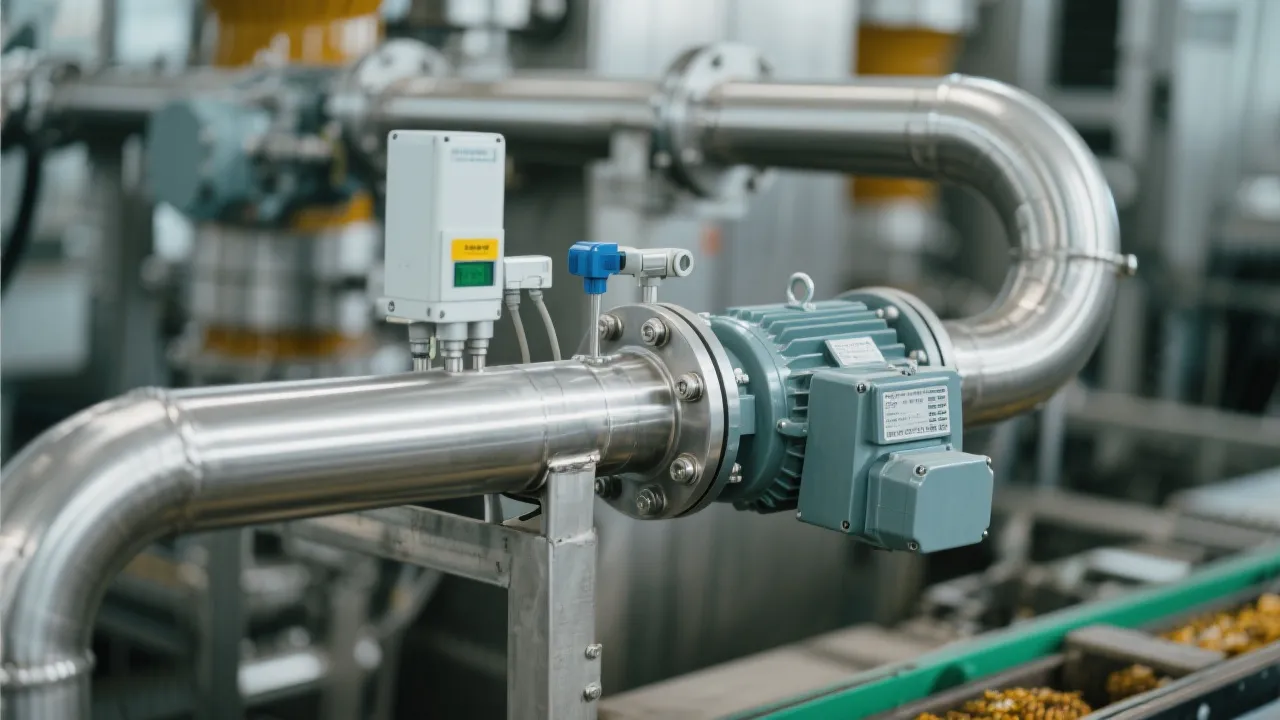
Accurate, real-time data forms the backbone of automation. Start by deploying sensors across critical points like temperature, pressure, and flow rates within your palm oil process. By connecting these sensors to your PLC, you establish continuous monitoring capabilities, enabling precise control. This foundational step can reduce manual checks by up to 40%, slashing labor dependencies drastically.
Leveraging the collected data, the PLC system dynamically adjusts processing parameters. For example, by keeping pressing temperatures and feed rates within optimal ranges, your production efficiency can increase by 15-20%. This means less product waste and a more uniform oil quality, essential for meeting both domestic and export market standards.
Unplanned downtime is one of your biggest cost drivers. Incorporate predictive maintenance algorithms within the PLC to identify early signs of equipment wear or anomalies. This proactive approach has proven to reduce machine stoppages by an average of 25 hours monthly, directly boosting your overall equipment effectiveness (OEE).
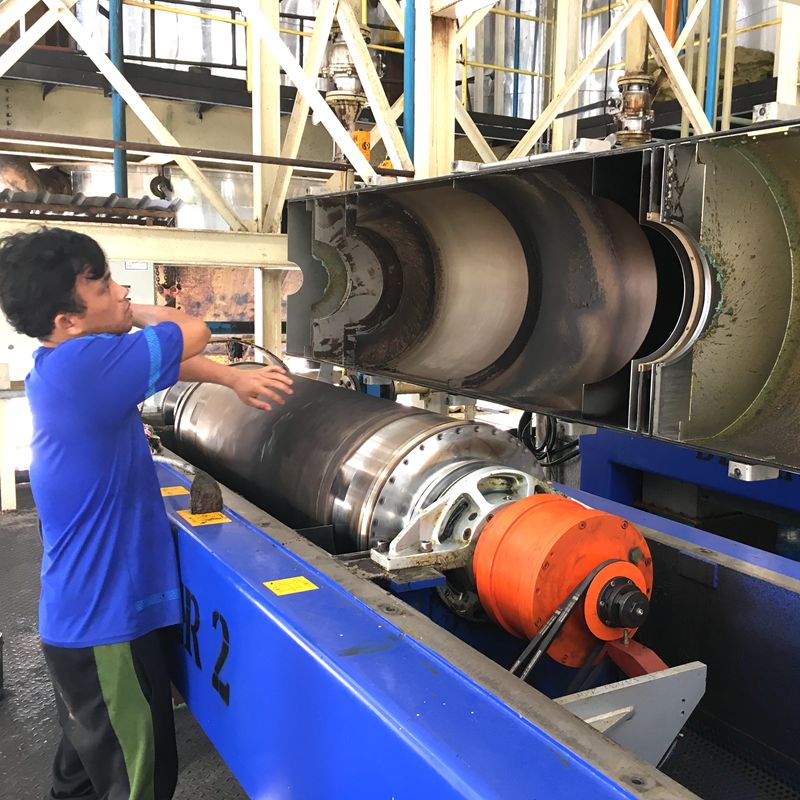
Deploying automation often sounds complex and time-consuming. However, modular PLC units and pre-configured software packages can reduce installation times by 30-40%. This means you can ramp up your production with minimal disruption, avoiding long downtime periods typical in traditional upgrade projects. A recent case of a mid-sized processing facility showed their commissioning time shrink from 8 weeks to just 5 weeks.
Energy costs can make up 20-30% of your operational expenses. PLC-based automation helps execute precise energy management — for instance, managing motor speeds, heating cycles, and pump operations with minimal wastage. Plants that implemented these controls saw energy consumption drop by over 12%, translating into significant monthly savings.
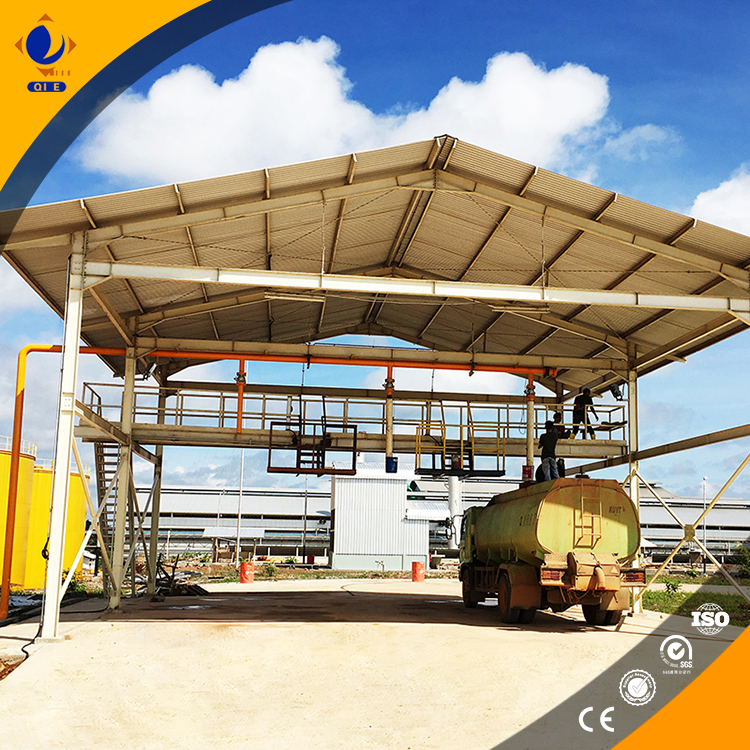
Having introduced these five steps, challenge yourself to benchmark your current production line’s data metrics — are you still facing excessive energy demands or unpredictable stoppages? With the right automation strategy, your palm oil operation can transition into a modern, efficient, and cost-effective business.
 Automated grain and oil processing equipment
Energy - saving advantages
36 - month warranty for core components
Long - term operational cost of grain and oil processing equipment
Global after - sales support
palm oil processing equipment
advanced sterilization technology
food-grade stainless steel equipment
ISO9001 certification
palm fruit and kernel refining
Palm oil production line
Environmental and energy - saving technologies
Southeast Asian palm oil factories
Cold and hot pressing processes
Factory automation control
palm oil processing equipment
palm fruit and kernel processing
oil refining technology
food-grade stainless steel machinery
automated palm oil production line
palm oil processing process
palm fruit refining technology
palm kernel processing equipment
food - grade stainless steel equipment
fully automatic oil refining line
Automated grain and oil processing equipment
Energy - saving advantages
36 - month warranty for core components
Long - term operational cost of grain and oil processing equipment
Global after - sales support
palm oil processing equipment
advanced sterilization technology
food-grade stainless steel equipment
ISO9001 certification
palm fruit and kernel refining
Palm oil production line
Environmental and energy - saving technologies
Southeast Asian palm oil factories
Cold and hot pressing processes
Factory automation control
palm oil processing equipment
palm fruit and kernel processing
oil refining technology
food-grade stainless steel machinery
automated palm oil production line
palm oil processing process
palm fruit refining technology
palm kernel processing equipment
food - grade stainless steel equipment
fully automatic oil refining line








.png?x-oss-process=image/resize,h_100,m_lfit/format,webp)
.png?x-oss-process=image/resize,h_100,m_lfit/format,webp)
.png?x-oss-process=image/resize,h_100,m_lfit/format,webp)