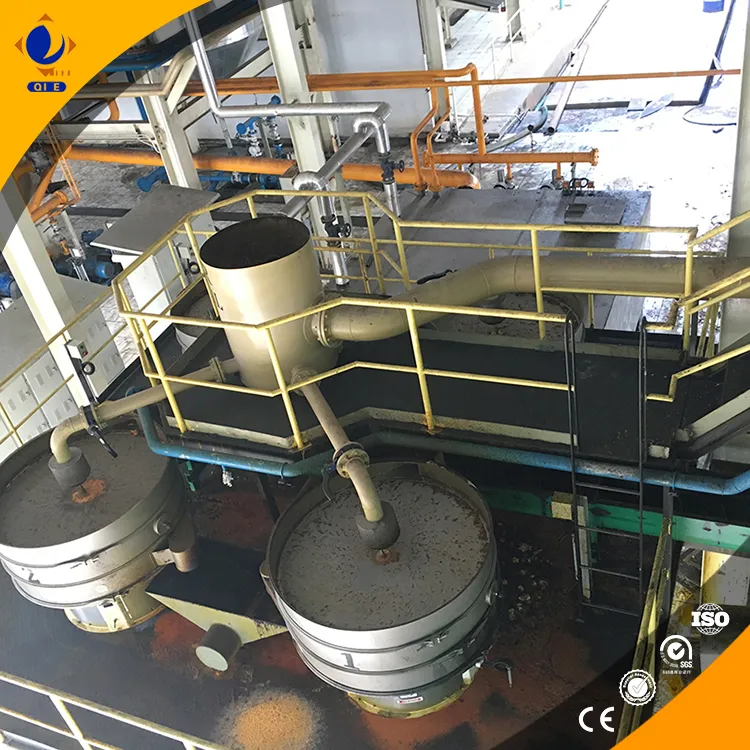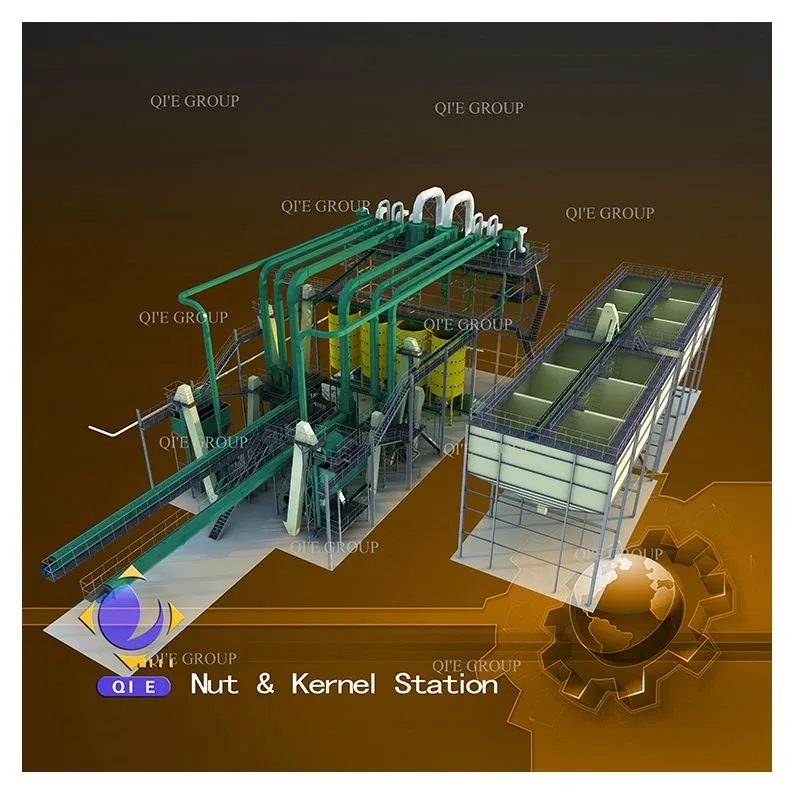
In today’s competitive edible oil market, especially in Southeast Asia and Africa, palm oil processors are under constant pressure to improve yield, reduce energy consumption, and ensure compliance with international standards. Whether you're a small farm-based mill or a mid-scale processing plant, understanding the full workflow—from raw palm fruit to high-quality refined oil—is key to making smart investment decisions.
Modern automated palm oil lines typically operate in three stages:
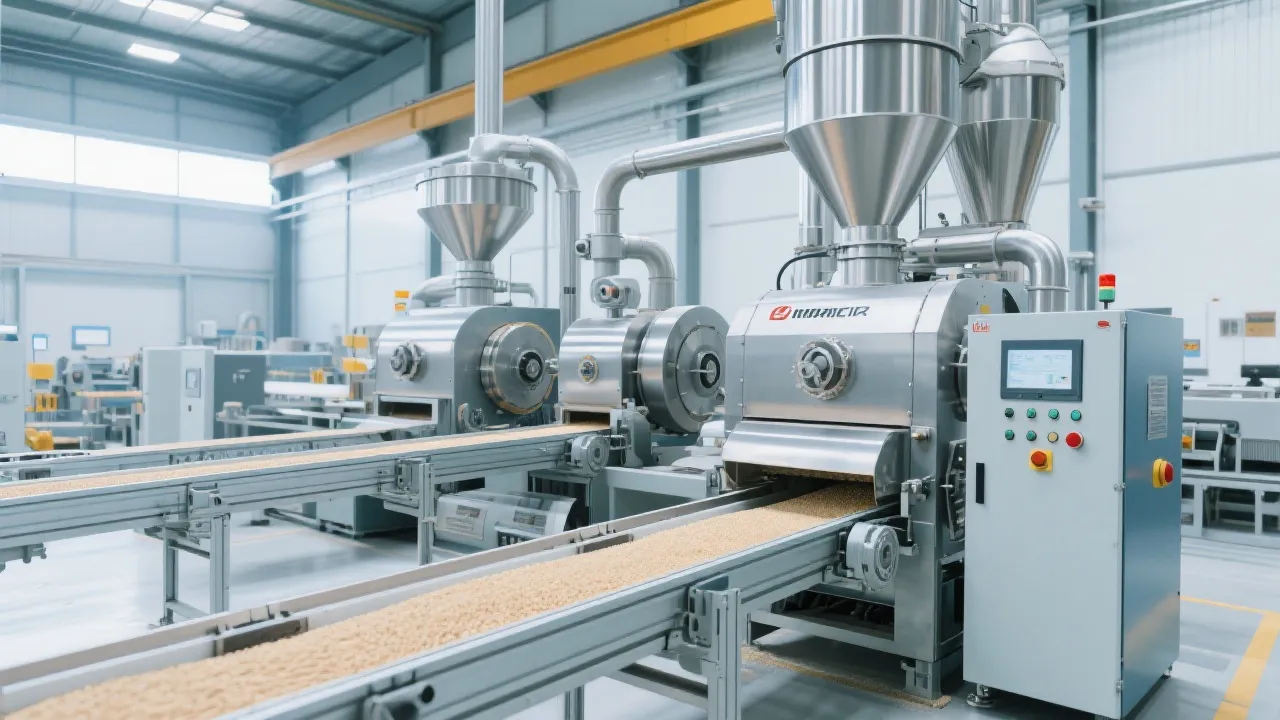
Each stage integrates modular components—like continuous feeders, centrifugal separators, and plate heat exchangers—that can be pre-assembled, tested, and shipped as units. This approach reduces on-site installation time from weeks to just 7–10 days.
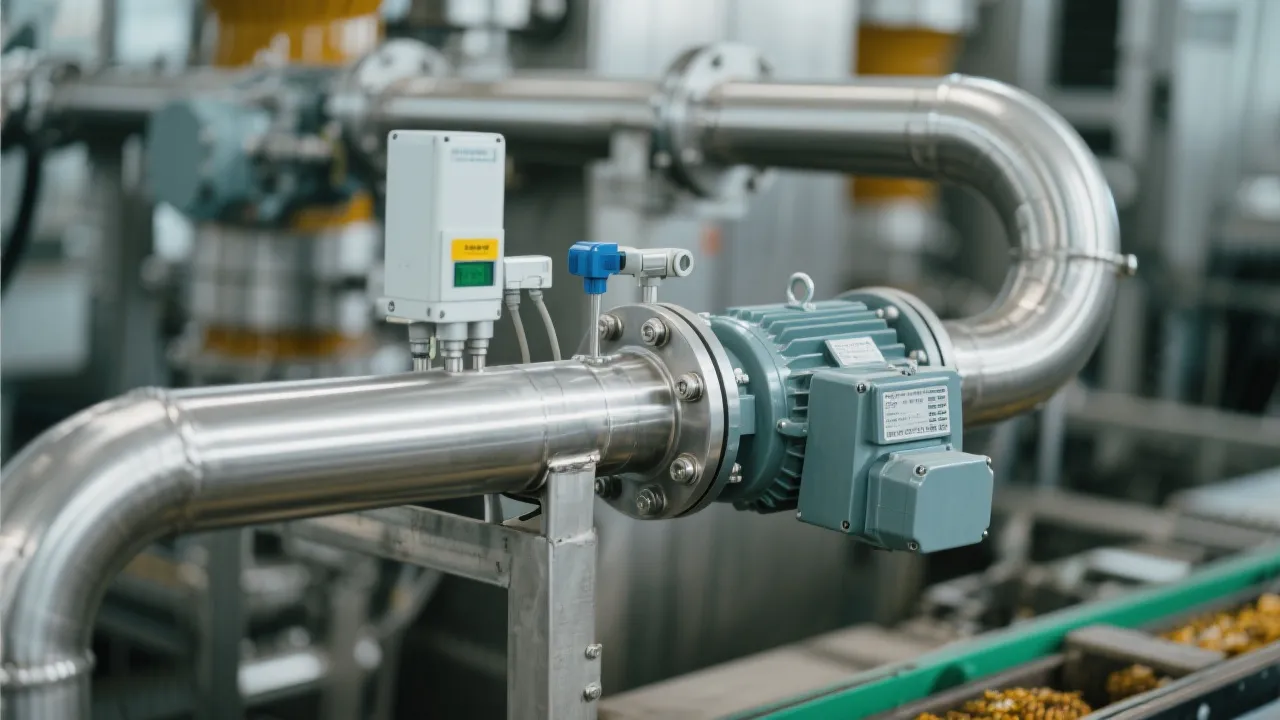
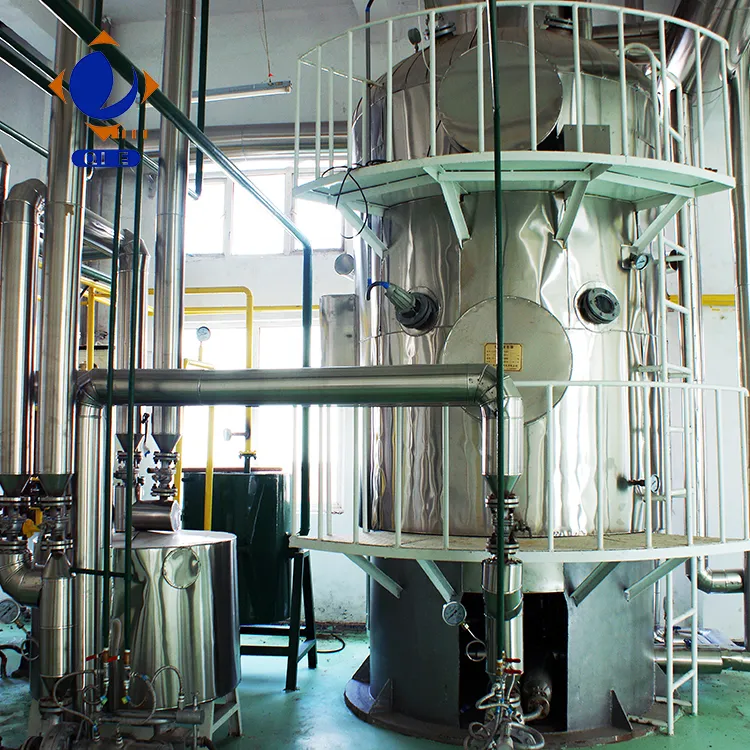
Top-tier manufacturers use parts from brands like Alfa Laval, GEA, and Sartorius—each certified to CE and ISO 9001 standards. These aren’t just “good enough”; they’re built for durability under 24/7 operation. For example:
| Component | Typical Lifespan | Energy Savings vs Legacy Systems |
|---|---|---|
| Continuous Deodorizer | 8+ years | Up to 30% |
| Automated Filtration Unit | 5–7 years | 15–20% |
| PLC-Controlled System | 10+ years | Optimized process control = fewer manual errors |
These specs translate directly into lower maintenance costs and higher ROI—especially important when targeting export markets where quality consistency is non-negotiable.
Even the best equipment fails if setup isn’t planned right. Here’s what we see work across successful projects:
Our clients who follow these steps report 95% uptime within first 6 months—not just in theory, but in real-world conditions.
 Fully automated palm oil processing equipment
Palm fruit processing technology
Palm kernel refining process
Low - energy palm oil production
Food safety sterilization technology
automated palm oil processing equipment
low energy consumption palm oil plant
palm fruit vs palm kernel processing
food safety sterilization in oil refining
ISO 9001 quality control in palm oil production
oilseed processing equipment warranty
automated粮油 equipment maintenance
global equipment service network
oilseed plant operating costs
equipment lifecycle cost analysis
palm oil processing equipment
ISO9001 quality management system
palm kernel refining process
palm fruit oil refining
automated oil extraction systems
palm oil processing process
palm fruit refining technology
palm kernel processing equipment
food - grade stainless steel equipment
fully automatic oil refining line
Fully automated palm oil processing equipment
Palm fruit processing technology
Palm kernel refining process
Low - energy palm oil production
Food safety sterilization technology
automated palm oil processing equipment
low energy consumption palm oil plant
palm fruit vs palm kernel processing
food safety sterilization in oil refining
ISO 9001 quality control in palm oil production
oilseed processing equipment warranty
automated粮油 equipment maintenance
global equipment service network
oilseed plant operating costs
equipment lifecycle cost analysis
palm oil processing equipment
ISO9001 quality management system
palm kernel refining process
palm fruit oil refining
automated oil extraction systems
palm oil processing process
palm fruit refining technology
palm kernel processing equipment
food - grade stainless steel equipment
fully automatic oil refining line










.png?x-oss-process=image/resize,h_100,m_lfit/format,webp)
.png?x-oss-process=image/resize,h_100,m_lfit/format,webp)
.png?x-oss-process=image/resize,h_100,m_lfit/format,webp)