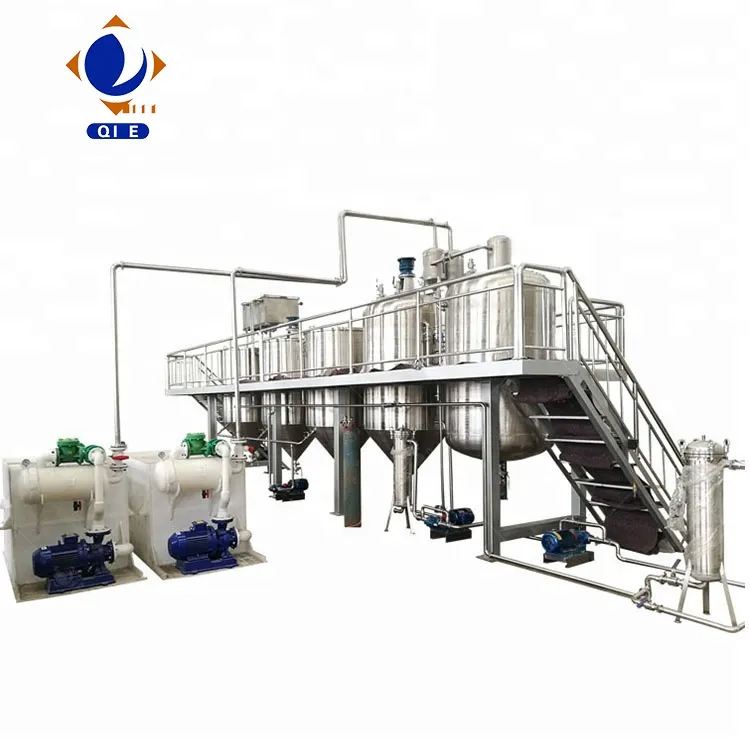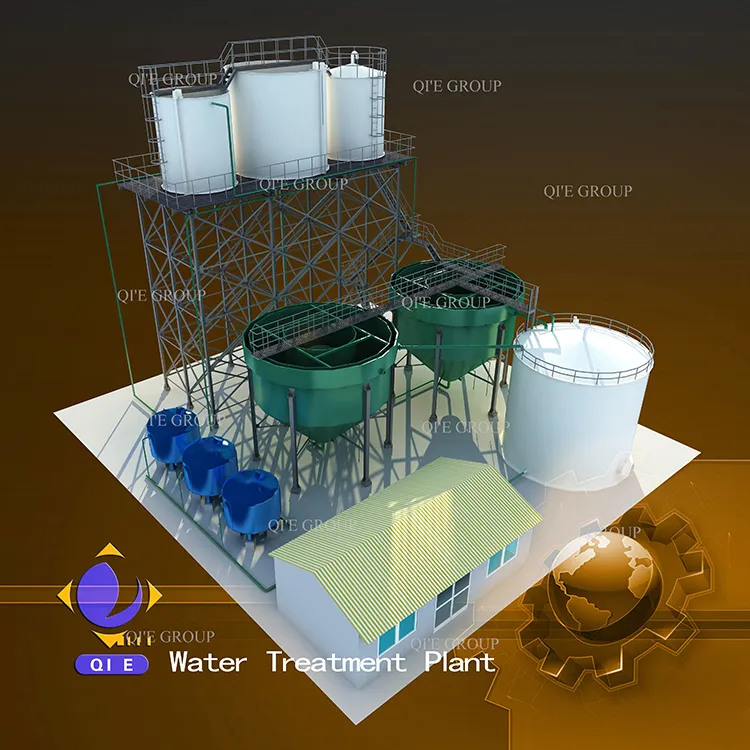
As Southeast Asia’s demand for palm oil continues to rise—driven by food manufacturing, biofuel production, and cosmetics industries—manufacturers are under increasing pressure to ensure their processing lines run efficiently, safely, and sustainably. One of the most critical decisions in this process? Selecting the right core components for your automated palm oil production system.
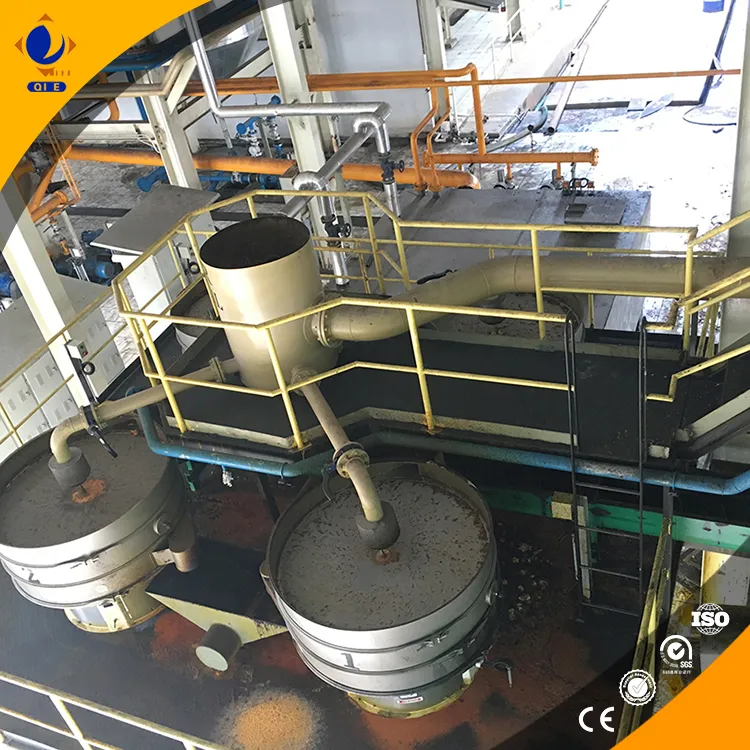
Modern palm oil plants rely on three key stages: pressing (expeller/roller), solvent extraction, and refining. Each phase requires specialized equipment that must perform consistently over long periods. For example:
According to a 2023 study by the Food & Agriculture Organization (FAO), palm oil facilities using internationally sourced core parts report an average 27% lower failure rate over five years compared to those relying solely on local suppliers. Why?
International brands invest heavily in R&D, quality control, and global compliance. Their components undergo rigorous testing under extreme conditions—such as high humidity, dust exposure, and continuous operation—which ensures they meet real-world demands in tropical climates common across Malaysia, Indonesia, and Thailand.
CE certification isn’t just about legal compliance—it’s a guarantee of safety, performance, and environmental responsibility. In fact, EU-based buyers often reject machines without CE-certified electrical and mechanical components due to liability concerns. A recent survey of 120 procurement managers in Europe showed that 89% prioritize CE-certified equipment, even if it costs 10–15% more upfront.
When combined with ISO 9001:2000 quality management, CE certification creates a powerful trust signal for both investors and end-users—especially important when scaling operations or entering new markets.
Reputable suppliers provide detailed documentation—including material certificates, test reports, and installation manuals—for every part. This transparency helps avoid hidden risks during commissioning and reduces the need for costly troubleshooting later.
Many manufacturers hesitate to adopt advanced systems because of complex installations. But modular design—where each unit is pre-assembled, tested, and shipped in compact containers—can cut setup time by up to 60%. Combined with remote diagnostics and 24/7 support, this approach significantly lowers the operational risk for clients in remote locations.
Our team also offers a 2-year warranty on all core components, plus free technical assessments for projects above 5 tons/day capacity. No guesswork. Just proven results.
Get a tailored configuration plan based on your specific output needs—from small-scale processors to large industrial plants.
Contact Us for a Free Technical Evaluation Report
 Small and medium-sized grain and oil processing equipment maintenance cost
Palm oil processing equipment warranty period
Energy-saving advantages of automated equipment
Grain and oil processing plant equipment selection guide
Global after-sales support network
Palm oil processing process
Palm fruit pretreatment technology
Palm kernel refining process
Food - grade stainless steel equipment
Low - temperature deodorization control
palm oil processing automation
PLC control system
modular plant design
energy efficiency in palm oil mills
fast commissioning of processing lines
Southeast Asian palm oil factory
hot and cold pressing process
automated production line
quality control
environmental protection and energy - saving technology
palm oil processing parameters
temperature control in oil refining
ISO9001 quality management in palm oil
small scale palm oil production
food safety in palm oil processing
Small and medium-sized grain and oil processing equipment maintenance cost
Palm oil processing equipment warranty period
Energy-saving advantages of automated equipment
Grain and oil processing plant equipment selection guide
Global after-sales support network
Palm oil processing process
Palm fruit pretreatment technology
Palm kernel refining process
Food - grade stainless steel equipment
Low - temperature deodorization control
palm oil processing automation
PLC control system
modular plant design
energy efficiency in palm oil mills
fast commissioning of processing lines
Southeast Asian palm oil factory
hot and cold pressing process
automated production line
quality control
environmental protection and energy - saving technology
palm oil processing parameters
temperature control in oil refining
ISO9001 quality management in palm oil
small scale palm oil production
food safety in palm oil processing








.png?x-oss-process=image/resize,h_100,m_lfit/format,webp)
.png?x-oss-process=image/resize,h_100,m_lfit/format,webp)
.png?x-oss-process=image/resize,h_100,m_lfit/format,webp)