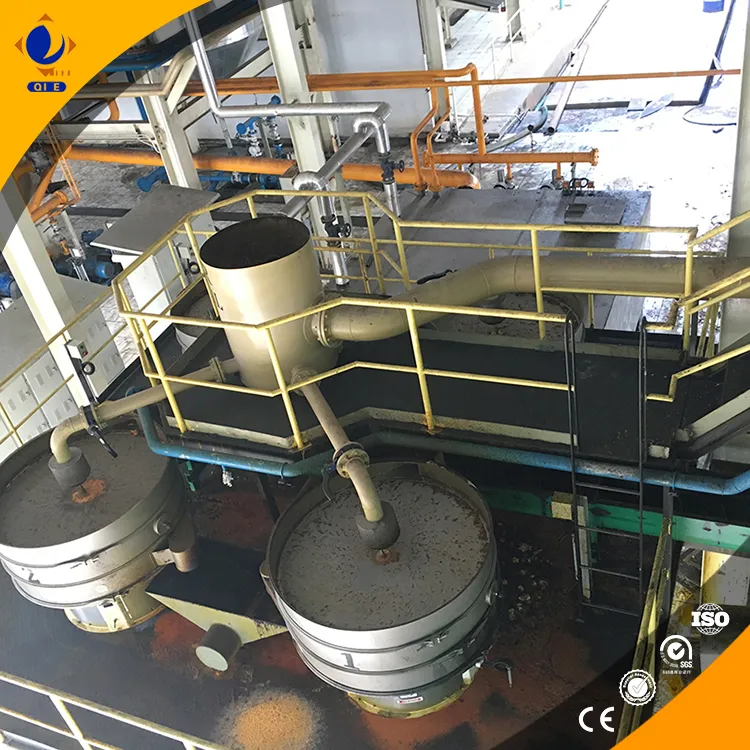
For farm owners and mid-sized palm oil processors in Southeast Asia, the path to modernization isn’t about overhauling everything at once—it’s about smart upgrades that deliver measurable ROI. In a recent case study by QIE Group, one client reduced their production line commissioning time from 42 days to just 14 using modular automation design—while achieving a 17% drop in energy consumption.
At the heart of this transformation lies a robust PLC (Programmable Logic Controller) system integrated with real-time monitoring, predictive analytics, and automated parameter adjustments. Unlike traditional manual controls, these systems continuously optimize temperature, pressure, and flow rates based on live data—reducing human error and increasing throughput by up to 23%, according to field tests across 12 Indonesian mills.
One key benefit? Predictive maintenance alerts. By analyzing vibration patterns and motor load trends, the system flags potential failures before they happen—cutting unplanned downtime by an average of 35%. For operators managing multiple processing lines, this means fewer late-night emergency calls and more predictable output.
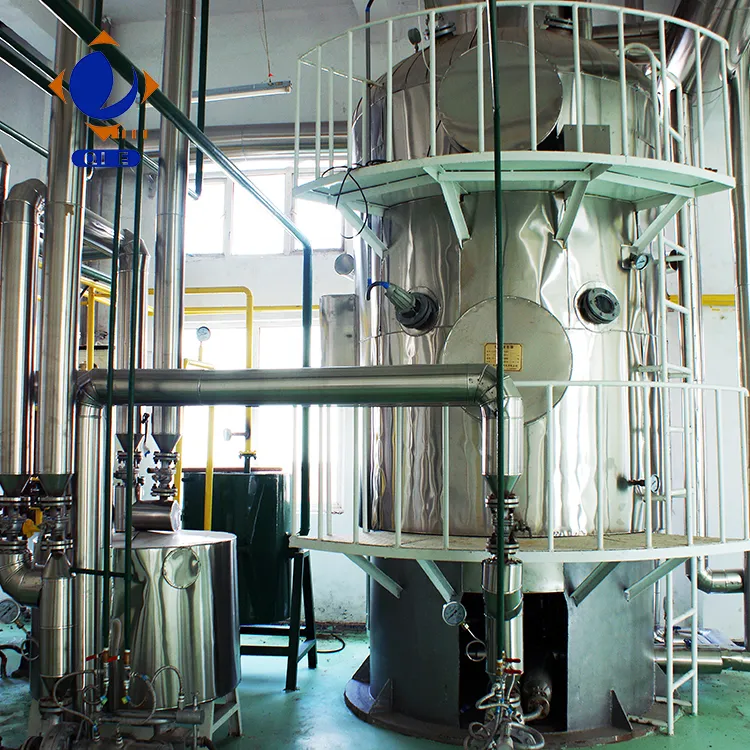
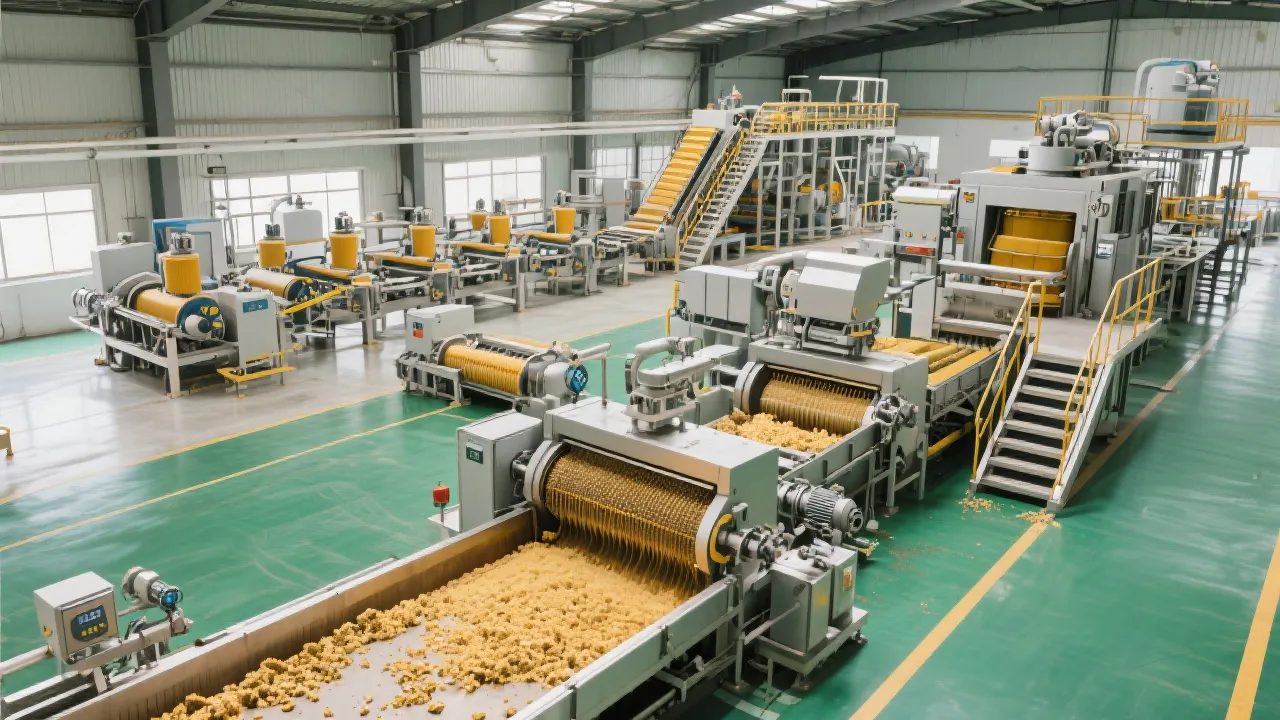
Modular design allows entire sections—like oil extraction units or filtration modules—to be pre-assembled off-site, then transported as complete kits. This approach eliminates weeks of on-site welding, wiring, and calibration. A pilot project in Malaysia showed that teams installing modular units completed setup 60% faster than conventional methods, even with minimal technical training.
The secret? Standardized interfaces and clear labeling. Each module comes with a digital twin—a visual guide showing exactly how it connects to adjacent components. This not only speeds up installation but also reduces misalignment issues during commissioning, which historically caused 20–30% of post-installation delays in older plants.
These aren’t just numbers—they’re proof that automation doesn’t have to mean complexity. With the right architecture, even small-scale operations can achieve industrial-grade efficiency without breaking the bank.
If you're evaluating automation for your palm oil facility, start with a checklist—not a quote. Our team has developed a free resource: Download the Palm Oil Line Automation Readiness Checklist (PDF). It includes 20 questions to assess your current setup, identify quick wins, and prioritize investments based on actual operational needs—not vendor hype.
This is not marketing. It’s a practical step toward smarter, safer, and more sustainable palm oil production—one that respects both your resources and your people.
 Automated grain and oil processing equipment
Energy - saving advantages
36 - month warranty for core components
Long - term operational cost of grain and oil processing equipment
Global after - sales support
automated palm oil processing equipment
low energy consumption palm oil plant
palm fruit vs palm kernel processing
food safety sterilization in oil refining
ISO 9001 quality control in palm oil production
palm oil processing equipment
advanced sterilization technology
food - grade stainless - steel equipment
palm fruit refining process
low - energy and high - efficiency production
palm oil production line
automated palm oil processing
CE certified machinery
ISO9001 quality system
efficient oil extraction technology
palm oil mill location southeast asia
palm oil supply chain optimization
cold press vs hot press palm oil
automated palm oil processing
sustainable palm oil production
Automated grain and oil processing equipment
Energy - saving advantages
36 - month warranty for core components
Long - term operational cost of grain and oil processing equipment
Global after - sales support
automated palm oil processing equipment
low energy consumption palm oil plant
palm fruit vs palm kernel processing
food safety sterilization in oil refining
ISO 9001 quality control in palm oil production
palm oil processing equipment
advanced sterilization technology
food - grade stainless - steel equipment
palm fruit refining process
low - energy and high - efficiency production
palm oil production line
automated palm oil processing
CE certified machinery
ISO9001 quality system
efficient oil extraction technology
palm oil mill location southeast asia
palm oil supply chain optimization
cold press vs hot press palm oil
automated palm oil processing
sustainable palm oil production










.png?x-oss-process=image/resize,h_100,m_lfit/format,webp)
.png?x-oss-process=image/resize,h_100,m_lfit/format,webp)
.png?x-oss-process=image/resize,h_100,m_lfit/format,webp)