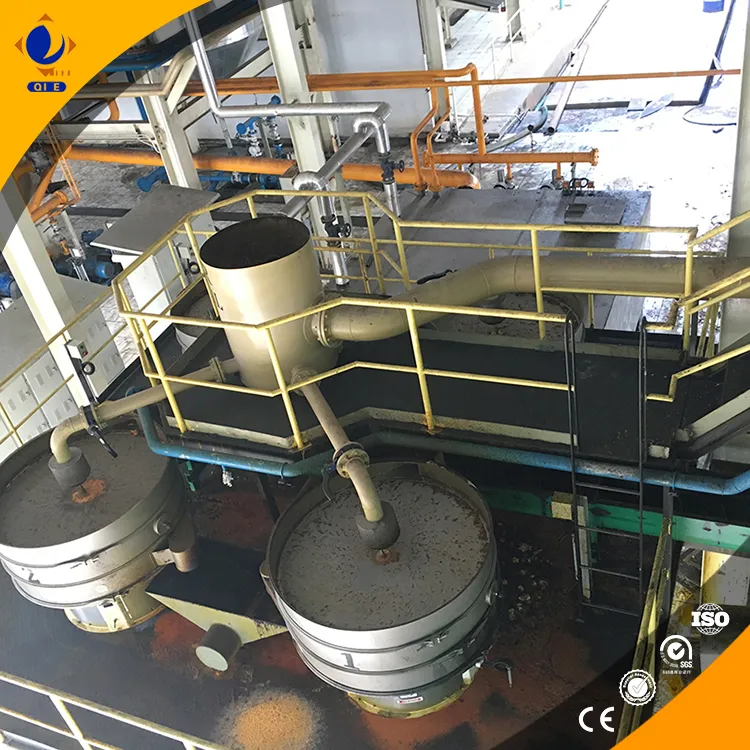
With global demand for palm oil rising—projected to reach 78 million metric tons by 2026 (FAO, 2024)—investors are turning to Southeast Asia for its abundant raw materials, favorable labor costs, and growing infrastructure. But building a successful palm oil processing plant isn’t just about location—it’s about smart design, efficient processes, and compliance with environmental standards.
The region produces over 85% of the world’s palm oil, making it the ideal hub for new facilities. Countries like Indonesia and Malaysia offer government incentives for agro-industrial projects, while Vietnam and Thailand provide emerging opportunities with modernized logistics networks.
However, success hinges on choosing the right site—not just for proximity to palm fruit, but also for access to power, water, and transport routes. For example, a facility near a major port reduces shipping costs by up to 18% compared to inland locations (World Bank, 2023).
Modern palm oil plants often use either cold or hot pressing methods:
Regardless of method, integrating an automated PLC-based control system can reduce energy consumption by 12–15% through real-time monitoring and optimized heating cycles.
Environmental regulations in ASEAN countries are tightening fast. In Indonesia, all new palm oil mills must meet SNI 7355:2022 standards for wastewater treatment. A well-designed effluent system not only avoids fines but also supports ESG goals that attract international investors.
Smart factories now integrate IoT sensors for continuous monitoring of pH, temperature, and sludge levels in wastewater systems—reducing manual checks by 40% and improving compliance accuracy.
Even the best equipment fails without skilled operators. We recommend a phased training plan:
Companies that invest in structured training see a 30% reduction in downtime during the first year of operation—a key ROI driver for any investor.
Whether you're planning your first palm oil mill or upgrading an existing one, understanding these core elements ensures smoother execution, better returns, and long-term sustainability in one of the world’s fastest-growing agricultural sectors.
Download our free guide: "Palm Oil Line Troubleshooting Checklist"
Get Instant Access → palm oil processing equipment
advanced sterilization technology
food - grade stainless - steel equipment
palm fruit refining process
low - energy and high - efficiency production
palm oil processing equipment maintenance cost
automated oilseed processing system
smart monitoring for industrial machinery
36-month equipment warranty
global after-sales support
oilseed processing equipment maintenance cost
36 month warranty for food machinery
automated粮油 processing equipment efficiency
food-grade stainless steel processing equipment
total cost of ownership for oil mills
Palm oil processing equipment
ISO 9001 quality management system
Palm fruit refining process
Palm kernel processing technology
Food - grade stainless steel equipment
small-scale palm oil equipment
palm oil processing automation
palm oil sterilization process
palm oil equipment maintenance
automated palm oil production
palm oil processing equipment
advanced sterilization technology
food - grade stainless - steel equipment
palm fruit refining process
low - energy and high - efficiency production
palm oil processing equipment maintenance cost
automated oilseed processing system
smart monitoring for industrial machinery
36-month equipment warranty
global after-sales support
oilseed processing equipment maintenance cost
36 month warranty for food machinery
automated粮油 processing equipment efficiency
food-grade stainless steel processing equipment
total cost of ownership for oil mills
Palm oil processing equipment
ISO 9001 quality management system
Palm fruit refining process
Palm kernel processing technology
Food - grade stainless steel equipment
small-scale palm oil equipment
palm oil processing automation
palm oil sterilization process
palm oil equipment maintenance
automated palm oil production







.png?x-oss-process=image/resize,h_100,m_lfit/format,webp)
.png?x-oss-process=image/resize,h_100,m_lfit/format,webp)
.png?x-oss-process=image/resize,h_100,m_lfit/format,webp)