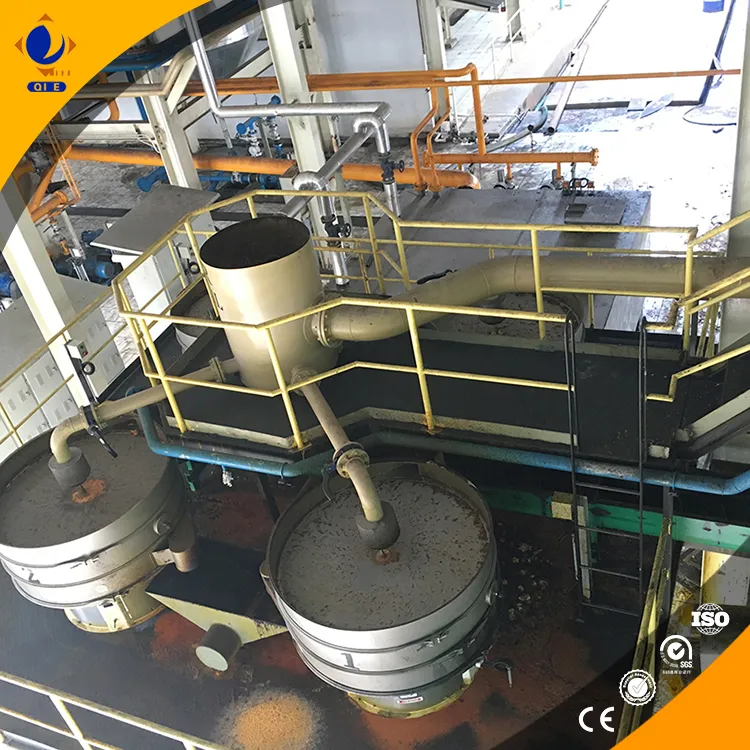
You're not alone if you're still adjusting temperature, pressure, and flow manually in your palm oil production line. Many small to mid-sized processors assume automation is too complex or costly — but that’s exactly why smart systems like PLC-based monitoring are now the fastest path to efficiency, safety, and consistency.
Manual adjustments mean inconsistent parameters — which leads to energy waste, product variability, and even safety risks. In fact, one study from a Malaysian palm oil mill found that manual control caused an average of 12% higher energy consumption compared to automated systems. That’s not just inefficiency — it’s lost profit.
Here’s what PLC automation does differently:
Think of a PLC system as the brain behind your line. Instead of relying on operators to guess settings, it continuously measures inputs and adjusts outputs automatically — like a thermostat for your entire process. This ensures every batch meets standards, reduces operator fatigue, and prevents costly errors.
And because modern PLCs are modular, installation can be completed in as little as 7–10 days, depending on your current setup — far faster than traditional retrofitting projects.
A pilot project at a Nigerian palm oil refinery showed:
| Metric | Before PLC | After PLC |
|---|---|---|
| Energy Use per Ton | 3.2 kWh | 2.6 kWh |
| Operator Errors/Week | 5–7 | 1–2 |
| Production Consistency | Low (±5% variation) | High (±1.5% variation) |
These aren’t hypothetical gains — they’re measurable improvements that translate directly into lower costs and better margins.
If you're ready to move beyond guesswork, download our free checklist: Download the Palm Oil Line Automation Readiness Checklist (PDF). It includes a quick audit of your current setup, key metrics to track, and a step-by-step plan to evaluate whether automation fits your operation — no tech degree required.
 palm oil processing equipment
advanced sterilization technology
food-grade stainless steel equipment
palm fruit refining process
low-energy efficient production
Small - scale palm oil automated processing
Palm oil processing equipment
Palm oil sterilization technology
Palm oil processing flow
Maintenance of automated palm oil equipment
Palm oil processing equipment
Advanced sterilization technology
Food safety assurance
Temperature - time parameters
ISO9001 quality management
automated palm oil processing
small scale palm oil equipment
palm oil sterilization system
palm oil refining process
automated oilseed processing
palm oil processing equipment
palm fruit processing technology
palm kernel oil extraction
automated palm oil production line
food safety sterilization system
palm oil processing equipment
advanced sterilization technology
food-grade stainless steel equipment
palm fruit refining process
low-energy efficient production
Small - scale palm oil automated processing
Palm oil processing equipment
Palm oil sterilization technology
Palm oil processing flow
Maintenance of automated palm oil equipment
Palm oil processing equipment
Advanced sterilization technology
Food safety assurance
Temperature - time parameters
ISO9001 quality management
automated palm oil processing
small scale palm oil equipment
palm oil sterilization system
palm oil refining process
automated oilseed processing
palm oil processing equipment
palm fruit processing technology
palm kernel oil extraction
automated palm oil production line
food safety sterilization system








.png?x-oss-process=image/resize,h_100,m_lfit/format,webp)
.png?x-oss-process=image/resize,h_100,m_lfit/format,webp)
.png?x-oss-process=image/resize,h_100,m_lfit/format,webp)