Southeast Asia remains the world’s epicenter for palm oil production, accounting for over 80% of global supply. For investors and operators venturing into this highly competitive industry, mastering factory construction and workforce training is key for long-term success. In this article, we delve into the vital components of building an efficient palm oil factory—from strategic site selection and equipment optimization, through cutting-edge hot and cold pressing processes, to automation and sustainable supply chain management. Moreover, we highlight a proven tiered training system that empowers operators to evolve into skilled engineers, driving productivity and quality to new heights.
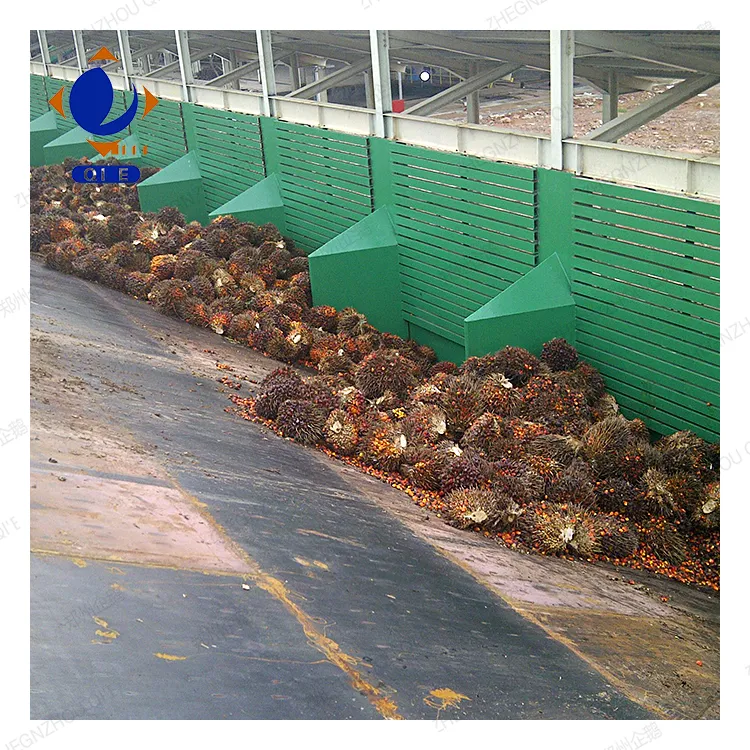
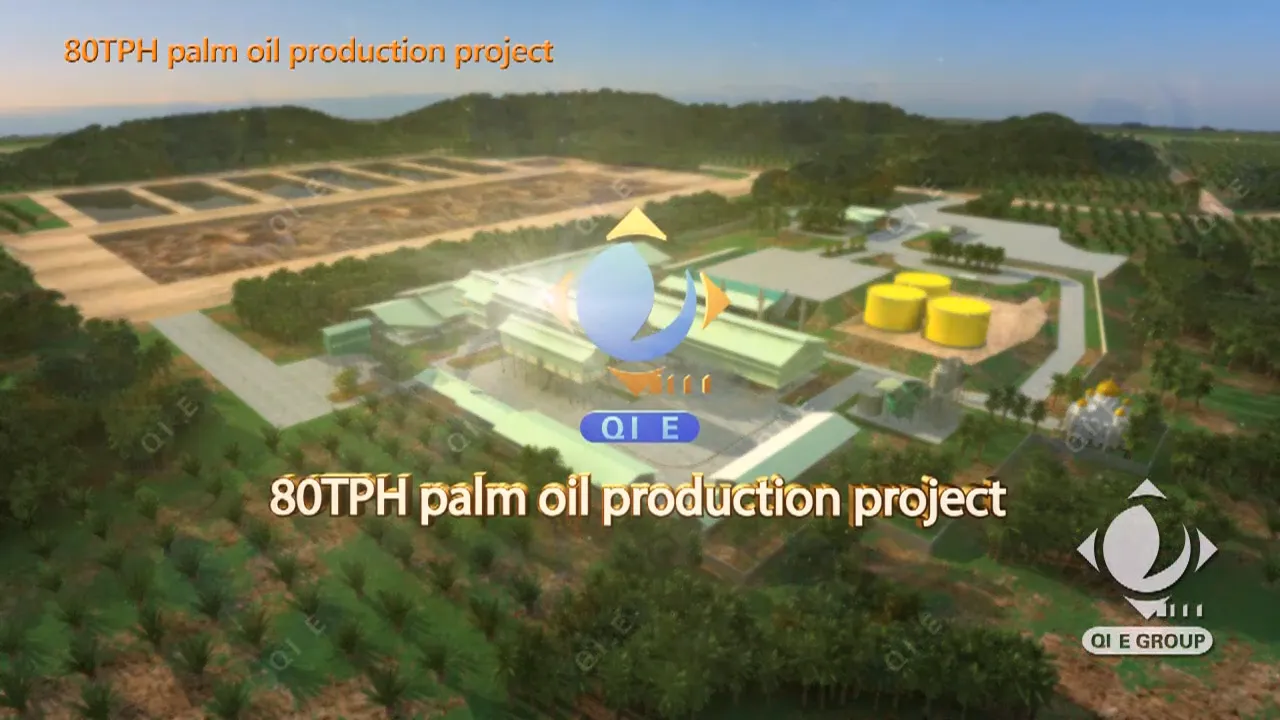
Choosing the right location is foundational. Proximity to fresh palm fruit bunch (FFB) sources reduces raw material degradation, ensuring better oil quality. Ideally, factories should be within a 20 km radius of plantation clusters, balancing transportation costs and supply reliability. Additionally, access to reliable utilities—electricity, water, and labor pool—is critical. Environmental regulations in countries like Malaysia and Indonesia increasingly influence site viability, urging operators to integrate eco-friendly infrastructure from the onset.
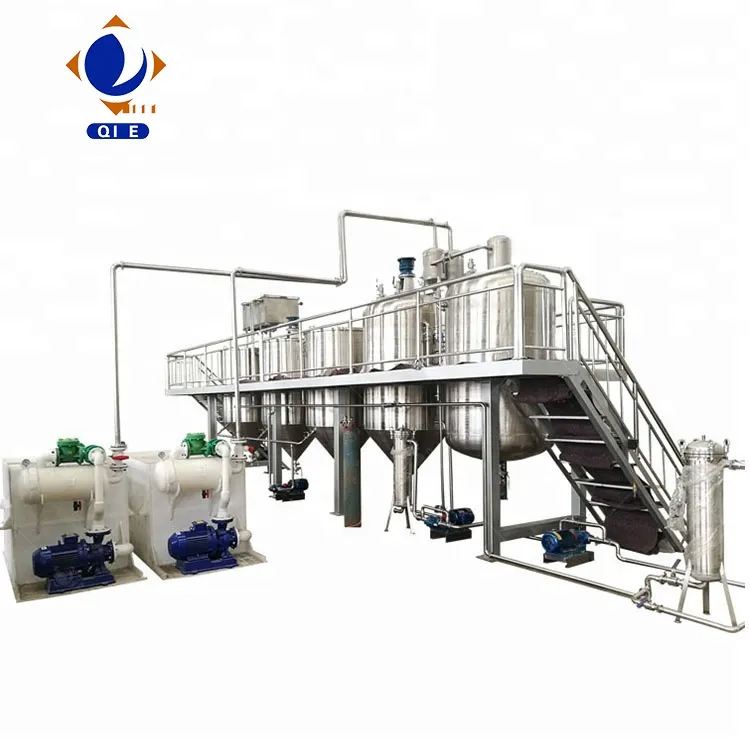
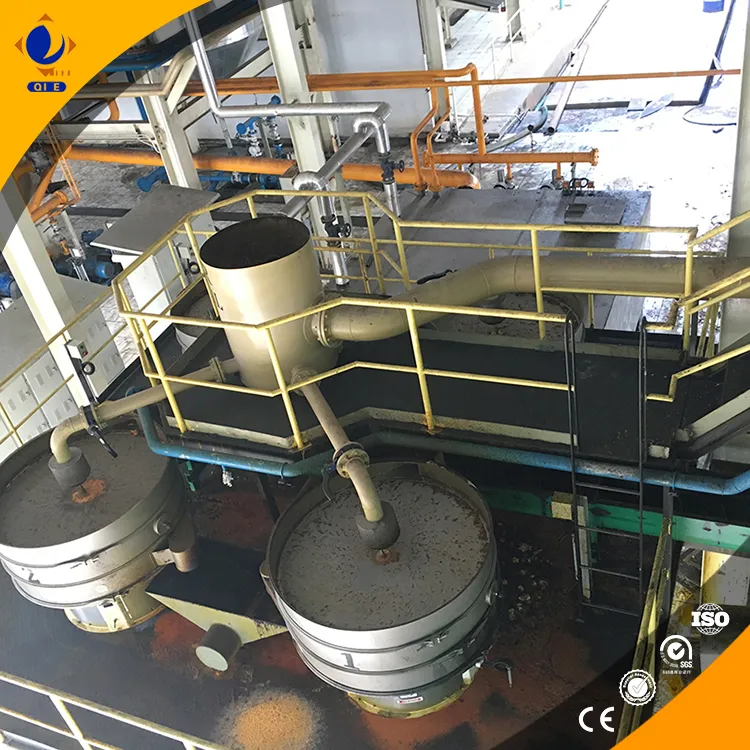
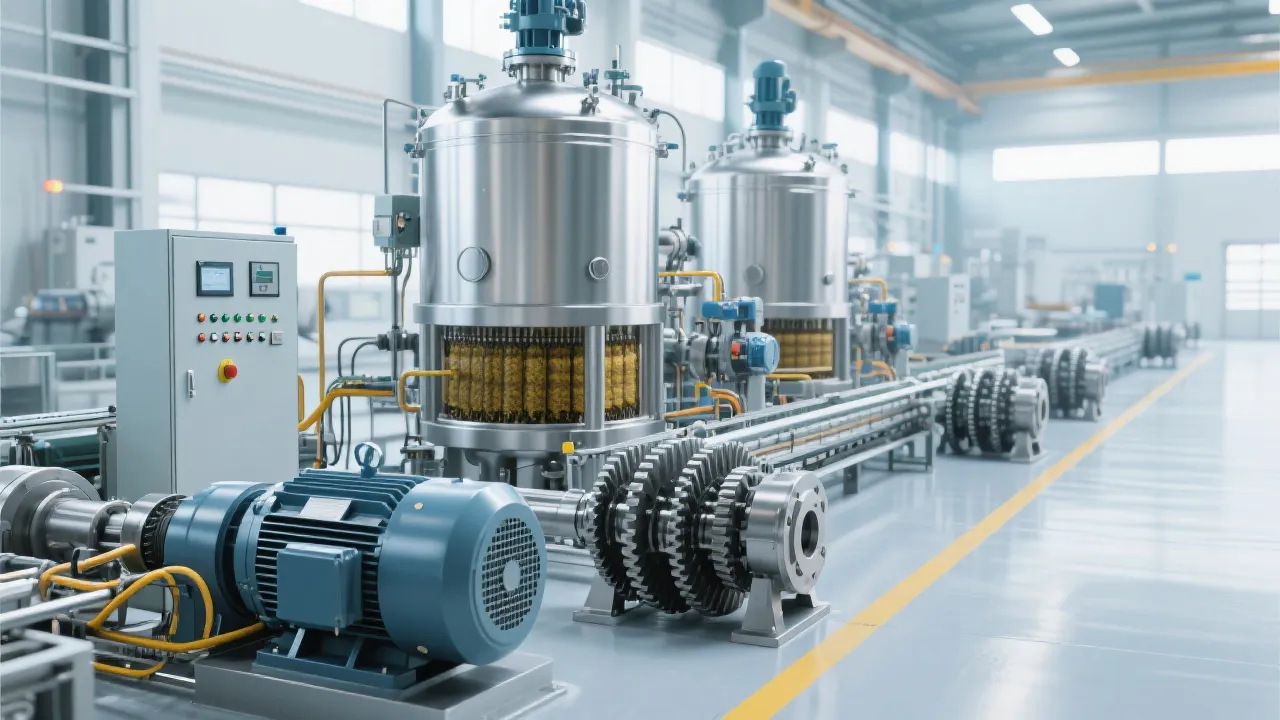
Equipment choices directly affect output volume and oil grade. Efficient sterilizers, threshers, digesters, and screw presses form the backbone of production lines. Notably, employing both hot and cold pressing techniques optimizes oil extraction yield and quality. While hot pressing raises extraction rates to approximately 22-23% by weight, cold pressing preserves nutritional profile, favored for specialty red palm oil. Modern factories integrate stainless steel components and corrosion-resistant materials to prolong equipment life and comply with hygiene standards.
Hot pressing involves steaming fresh fruit bunches at around 140°C, accelerating oil release. It maximizes productivity but risks minor nutrient loss. Cold pressing, conducted below 60°C, caters to niche markets demanding high antioxidant content, albeit with slightly lower yields (around 18-20%). Combining these processes allows flexible product lines: standard crude palm oil (CPO), refined palm oil, and red palm oil, satisfying diverse market demands.
The integration of Industry 4.0 automation—PLC (Programmable Logic Controllers), SCADA (Supervisory Control and Data Acquisition), and IoT sensors—empowers real-time monitoring and adjustment of process parameters. Automation reduces manual errors, enhances energy efficiency by up to 15%, and increases throughput capacity by approximately 20%. For example, automated sterilization controls optimize steam usage based on FFB moisture content, preventing overconsumption.
Adopting sustainable sourcing and green technologies strengthens brand reputation and regulatory compliance. Utilizing GPS-based tracking ensures traceability from plantations to processing, addressing zero-deforestation commitments. Wastewater treatment plants and biomass boilers reuse palm kernel shells, reducing carbon footprint by nearly 25%. Energy-efficient motors and LED lighting further cut operational costs, aiding factories in meeting increasing environmental standards.
The human factor remains pivotal. A structured training pipeline transforms entry-level operators into qualified engineers through progressive skill development. Initial training introduces safety protocols, machine basics, and quality control essentials. Intermediate modules emphasize troubleshooting, process optimization, and data logging. Advanced training covers automation systems, preventive maintenance, and energy management.
A leading palm oil producer reports that factories adopting this tiered model experienced a 30% reduction in downtime and a 15% improvement in product quality within 18 months. Consistent training cycles reinforce knowledge retention and foster innovation culture, boosting employee morale and retention in a labor-intensive sector.
Implementing e-learning platforms coupled with hands-on workshops enables continuous skill upgrades, necessary to adapt to evolving technologies. Empowering workers with data-driven insights via dashboards encourages proactive interventions before faults escalate. Periodic assessments and performance tracking cultivate accountability and highlight areas for targeted training.

 palm oil processing plant
cold press vs hot press
automated palm oil production line
eco-friendly palm oil technology
Southeast Asia palm oil factory
automated palm oil processing equipment
low energy consumption palm oil plant
palm fruit vs palm kernel processing
food safety sterilization in oil refining
ISO 9001 quality control in palm oil production
palm oil mill location southeast asia
palm oil supply chain optimization
cold press vs hot press palm oil
automated palm oil processing
sustainable palm oil production
palm oil production line
automated palm oil equipment
hot and cold pressing technology
oil yield improvement
Southeast Asia palm oil factory
Small and medium - sized grain and oil processing equipment maintenance cost
Palm oil processing equipment warranty period
Energy - saving advantages of automated equipment
Global after - sales service network
Long - term operational cost of grain and oil processing equipment
palm oil processing plant
cold press vs hot press
automated palm oil production line
eco-friendly palm oil technology
Southeast Asia palm oil factory
automated palm oil processing equipment
low energy consumption palm oil plant
palm fruit vs palm kernel processing
food safety sterilization in oil refining
ISO 9001 quality control in palm oil production
palm oil mill location southeast asia
palm oil supply chain optimization
cold press vs hot press palm oil
automated palm oil processing
sustainable palm oil production
palm oil production line
automated palm oil equipment
hot and cold pressing technology
oil yield improvement
Southeast Asia palm oil factory
Small and medium - sized grain and oil processing equipment maintenance cost
Palm oil processing equipment warranty period
Energy - saving advantages of automated equipment
Global after - sales service network
Long - term operational cost of grain and oil processing equipment







.png?x-oss-process=image/resize,h_100,m_lfit/format,webp)
.png?x-oss-process=image/resize,h_100,m_lfit/format,webp)
.png?x-oss-process=image/resize,h_100,m_lfit/format,webp)