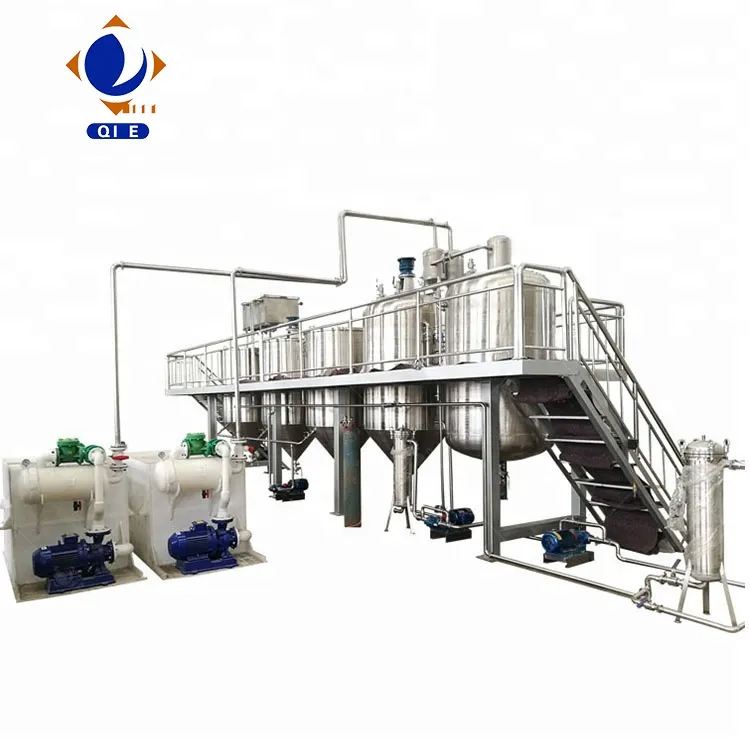
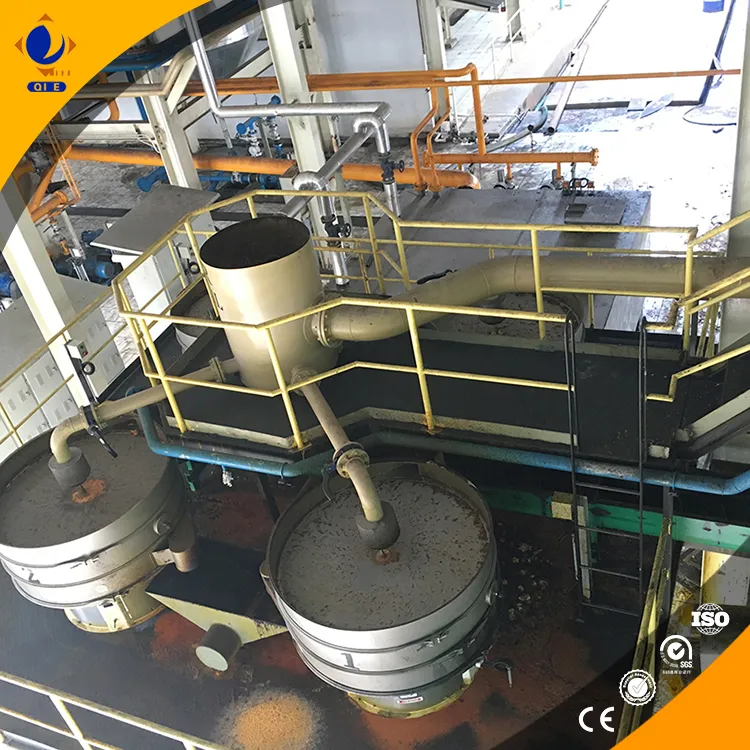
As Southeast Asia continues to dominate the global palm oil market—accounting for nearly 85% of the world's supply—investors and manufacturers seek effective ways to establish efficient, sustainable palm oil factories. Navigating the complexities of this industry demands a clear understanding of site selection, pressing technologies, automation, and environmental compliance. This guide delivers a detailed walkthrough for building a modern palm oil factory, empowering stakeholders to optimize production and accelerate time-to-market.
Choosing the right location is the cornerstone of any successful palm oil processing facility. Key parameters include proximity to fresh palm fruit bunch (FFB) sources, accessibility to transportation networks, availability of skilled labor, and local policy incentives.
Geographical Considerations: Ideally, a factory should be within 15 kilometers of plantations to minimize time-sensitive fruit transport delays, reducing oil degradation risks. Southeast Asia's top producing countries like Indonesia and Malaysia offer varied regional advantages, with Malaysia providing advanced infrastructure while Indonesia’s emerging areas may offer lower land costs.
Logistics & Infrastructure: Good road connectivity and proximity to ports streamline inbound raw materials and outbound finished products. Ensuring reliable power and water supply is also critical for continuous operations.
Regulatory Environment: Understanding local environmental regulations and import-export policies can significantly impact project timelines and operational costs. Engaging with local authorities early increases chances of smoother permitting and certification processes.
The choice between cold and hot pressing fundamentally shapes oil yield, quality, and energy consumption.
| Factor | Cold Pressing | Hot Pressing |
|---|---|---|
| Oil Yield | ~18-20% | ~22-24% |
| Oil Quality | Higher nutritional value, premium grade oils | Standard quality suitable for mass market |
| Energy Consumption | Lower (no heating required) | Higher (heating elements involved) |
| Applicability | Ideal for premium, organic, and specialty oils | Optimal for large scale, cost-efficient operations |
Incorporating a dual system that balances both methods, or integrating adjustable heating controls, could boost flexibility and product range differentiation.
Automation is revolutionizing palm oil production lines by enhancing process consistency, improving safety, and enabling remote monitoring.
Programmable Logic Controllers (PLC) form the backbone of smart systems, orchestrating seamless coordination of pressing, clarification, and packaging lines with minimal human intervention.
Key benefits of automation include:
Adhering to Southeast Asia's evolving environmental standards is mandatory for sustainable operation and market acceptance.
Modern palm oil facilities implement advanced wastewater treatment—including anaerobic digestion, sedimentation, and biofilter systems—to reduce chemical oxygen demand (COD) below 100 mg/L, meeting regulatory thresholds.
Energy conservation measures such as heat recovery steam generators, variable frequency drives on motors, and LED lighting can lower operational energy consumption by 15-20%.
To sustain operational excellence, a structured training pipeline is vital:
Regular knowledge updates aligned with technological upgrades facilitate continuous improvement and reduce downtime.
 palm oil production line
automated palm oil processing
CE certified machinery
ISO9001 quality system
efficient oil extraction technology
palm oil mill location southeast asia
palm oil supply chain optimization
cold press vs hot press palm oil
automated palm oil processing
sustainable palm oil production
palm oil production line
automated palm oil equipment
hot and cold pressing technology
oil yield improvement
Southeast Asia palm oil factory
palm oil cold pressing
palm oil hot pressing
palm oil processing technology
red palm oil production
automated palm oil plant
Southeast Asian palm oil production line
Automated palm oil equipment
Cold and hot pressing processes
PLC intelligent control
Palm oil factory construction
palm oil production line
automated palm oil processing
CE certified machinery
ISO9001 quality system
efficient oil extraction technology
palm oil mill location southeast asia
palm oil supply chain optimization
cold press vs hot press palm oil
automated palm oil processing
sustainable palm oil production
palm oil production line
automated palm oil equipment
hot and cold pressing technology
oil yield improvement
Southeast Asia palm oil factory
palm oil cold pressing
palm oil hot pressing
palm oil processing technology
red palm oil production
automated palm oil plant
Southeast Asian palm oil production line
Automated palm oil equipment
Cold and hot pressing processes
PLC intelligent control
Palm oil factory construction










.png?x-oss-process=image/resize,h_100,m_lfit/format,webp)
.png?x-oss-process=image/resize,h_100,m_lfit/format,webp)
.png?x-oss-process=image/resize,h_100,m_lfit/format,webp)