

In the palm oil processing industry, food factories often face challenges such as high energy consumption and low productivity. This article delves into the key differences between cold pressing and hot pressing processes, aiming to help production managers and procurement decision - makers make scientific choices.
The palm oil processing industry has long been troubled by high energy consumption and low yields. Traditional processing methods not only waste a large amount of energy but also result in sub - optimal oil extraction rates. For example, some small - scale factories may consume up to 500 kWh of electricity per ton of palm oil processed, while the oil yield is only around 18%.
The main differences between cold pressing and hot pressing lie in the steam heating principle, pressing process, and leaching steps. In hot pressing, steam heating is used to increase the temperature of palm fruits, which can improve the fluidity of oil and increase the oil extraction rate. However, high - temperature heating may also damage some nutrients in the oil. Cold pressing, on the other hand, extracts oil at low temperatures, which can better preserve the nutrients in the oil, but the oil extraction rate is relatively low.
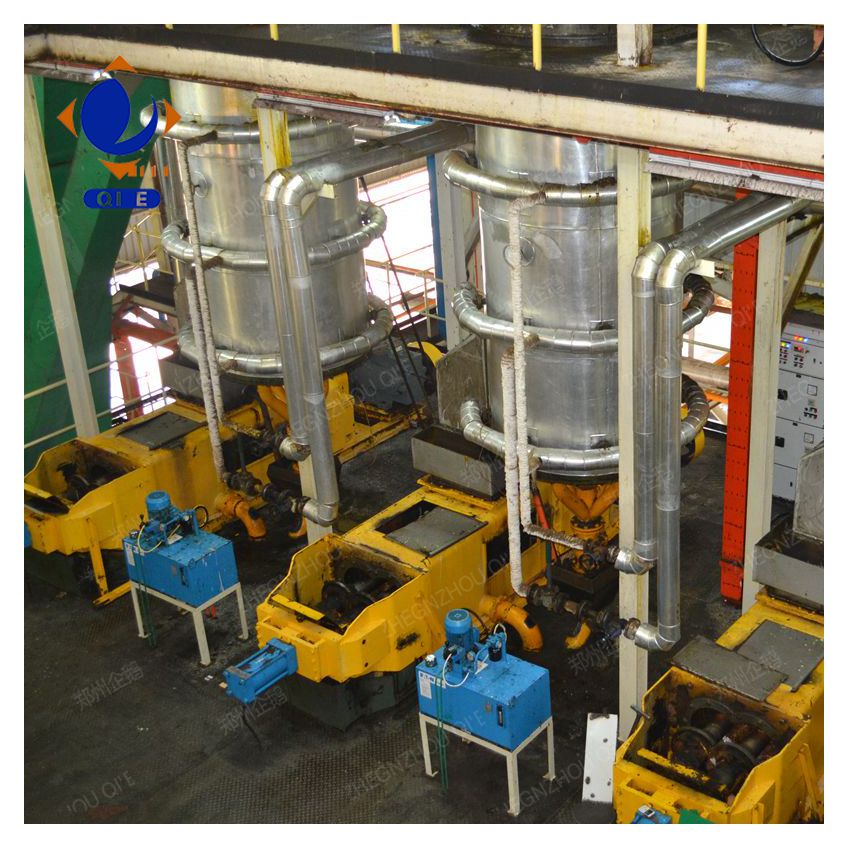
| Process | Energy Consumption (kWh/ton) | Oil Yield (%) | Nutrient Preservation |
|---|---|---|---|
| Cold Pressing | 300 - 350 | 15 - 18 | High |
| Hot Pressing | 450 - 500 | 20 - 23 | Low |
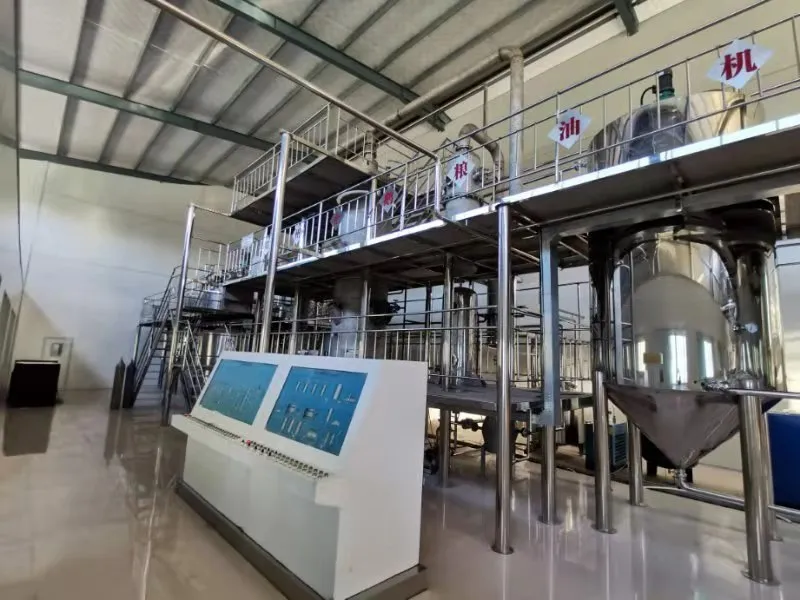
Penguin Group's palm oil processing equipment is equipped with an intelligent PLC control system. This system can realize automated operation, monitor the entire production process in real - time, and issue early warnings for abnormal situations. For example, when the temperature or pressure in the production process exceeds the set range, the system will immediately send an alarm, which helps to improve production efficiency and reduce production risks.
The equipment configuration for factories with different production scales varies greatly. For a 50 - ton - per - day factory, a relatively simple and cost - effective equipment combination can be selected, which can meet the production needs with lower investment. In contrast, a 1000 - ton - per - day factory requires a more complex and high - performance equipment system to ensure stable and efficient production.
[Tips]
1. Avoid over - heating during hot pressing to prevent nutrient loss. 2. Regularly maintain the equipment to ensure its efficient operation. 3. Optimize the production process according to the actual situation to achieve energy - saving and consumption - reduction goals.
Penguin Group provides global service support, including equipment installation, debugging, and after - sales service. At the same time, the company has an ISO quality assurance system, which ensures the high quality and reliability of its products.
If you want to learn more about palm oil processing equipment and get professional advice, you can immediately obtain the 'Palm Oil Processing Equipment Selection Manual' or reserve a free technical consultation.
 Cold pressing process
Hot pressing process
Kitchen oil stain cleaning
Oil residues
Cleaning solutions
Office chair adjustment techniques
Sitting posture management
Prevention of occupational diseases
Efficient office work
Human ergonomics
palm oil production line
eco-friendly palm oil factory
cold press vs hot press
energy efficiency in palm oil mills
PLC automation system
palm oil processing line
automated palm oil equipment
palm oil refining process
modular installation
red palm oil production
Palm oil production line customized design
Fully automatic palm oil equipment
Southeast Asian palm oil processing technology
Palm oil refining process
Core component quality guarantee
Cold pressing process
Hot pressing process
Kitchen oil stain cleaning
Oil residues
Cleaning solutions
Office chair adjustment techniques
Sitting posture management
Prevention of occupational diseases
Efficient office work
Human ergonomics
palm oil production line
eco-friendly palm oil factory
cold press vs hot press
energy efficiency in palm oil mills
PLC automation system
palm oil processing line
automated palm oil equipment
palm oil refining process
modular installation
red palm oil production
Palm oil production line customized design
Fully automatic palm oil equipment
Southeast Asian palm oil processing technology
Palm oil refining process
Core component quality guarantee












.png?x-oss-process=image/resize,h_100,m_lfit/format,webp)
.png?x-oss-process=image/resize,h_100,m_lfit/format,webp)
.png?x-oss-process=image/resize,h_100,m_lfit/format,webp)


