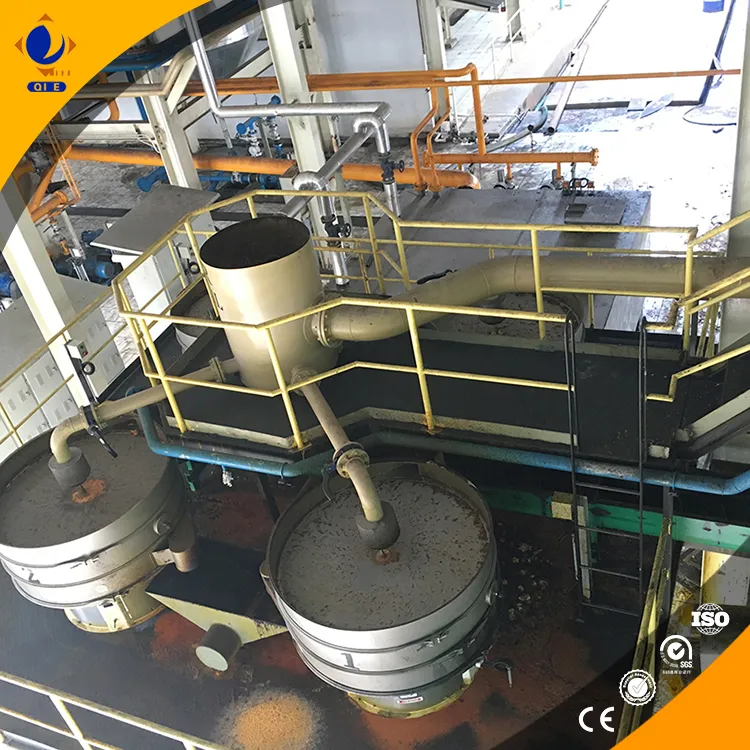
In the competitive palm oil industry, efficiency isn’t just a goal—it’s survival. For farms and small-to-mid-scale processors in Southeast Asia, adopting smart automation can mean the difference between marginal profits and sustainable growth.
A recent case study from QIE Group shows that integrating a PLC (Programmable Logic Controller)-based system into a 15-ton/hour palm oil mill reduced manual intervention by up to 68%. The system automatically monitors temperature, pressure, and flow rates across extraction, clarification, and drying stages—adjusting parameters in real time without operator input.
Placing sensors at critical points—not just in the main processing unit but also in pre-treatment and storage tanks—can reduce energy waste by 12–18% annually, according to field tests conducted in Malaysia and Indonesia.
Unlike traditional custom-built systems, modular automation allows you to install one section at a time—minimizing downtime during upgrades. One Indonesian processor reported going from concept to full operation in just 7 weeks using this approach, compared to an average of 12 weeks for conventional setups.
Each module includes pre-configured software logic, standardized connectors, and built-in diagnostics. This makes training faster and reduces dependency on third-party engineers—a major win for remote locations where skilled labor is scarce.
The same pilot plant saw a measurable drop in kWh per ton of crude palm oil produced—from 3.2 kWh/ton to 2.6 kWh/ton—within three months of implementation. That’s not just green tech—it’s hard cash savings.
Common strategies include:
Create a monthly “efficiency audit” checklist using your PLC logs. Track trends in power consumption, throughput, and downtime—then share insights with your team. It builds ownership and continuous improvement culture.
Don’t stop at data collection—you must act on it. Operators who reviewed automated reports weekly improved fault response times by 45%, according to internal surveys from two Thai mills.
This isn’t about replacing people—it’s about empowering them. With fewer interruptions and clearer visual dashboards, staff focus more on quality control than troubleshooting.
Want to know if your current setup is ready for automation? Download our free “Palm Oil Production Line Automation Readiness Checklist” PDF. It helps you assess equipment compatibility, skill gaps, and ROI potential in under 15 minutes.
Get Your Free Checklist Now small-scale palm oil processing automation
energy-efficient palm oil equipment
food-grade stainless steel palm oil machinery
automated palm oil refining line
palm oil sterilization technology
palm oil production line
Southeast Asian palm oil factory
hot and cold pressing technology
automated palm oil equipment
palm oil production troubleshooting
palm oil sterilization process
food grade stainless steel equipment
automated palm oil processing
small scale palm oil plant
palm oil refining equipment
palm oil production line
automated palm oil equipment
hot and cold pressing technology
oil yield improvement
Southeast Asia palm oil factory
palm oil automation equipment
small-scale palm oil processing
palm oil sterilization technology
fully automated palm oil refining
modular palm oil machinery
small-scale palm oil processing automation
energy-efficient palm oil equipment
food-grade stainless steel palm oil machinery
automated palm oil refining line
palm oil sterilization technology
palm oil production line
Southeast Asian palm oil factory
hot and cold pressing technology
automated palm oil equipment
palm oil production troubleshooting
palm oil sterilization process
food grade stainless steel equipment
automated palm oil processing
small scale palm oil plant
palm oil refining equipment
palm oil production line
automated palm oil equipment
hot and cold pressing technology
oil yield improvement
Southeast Asia palm oil factory
palm oil automation equipment
small-scale palm oil processing
palm oil sterilization technology
fully automated palm oil refining
modular palm oil machinery








.png?x-oss-process=image/resize,h_100,m_lfit/format,webp)
.png?x-oss-process=image/resize,h_100,m_lfit/format,webp)
.png?x-oss-process=image/resize,h_100,m_lfit/format,webp)