

In the realm of palm oil processing, mastering the pretreatment and key process parameter regulation for palm fruit and palm kernel in small - to medium - sized production lines is crucial. This tutorial will comprehensively cover the entire processing flow, from raw material intake to finished product output.
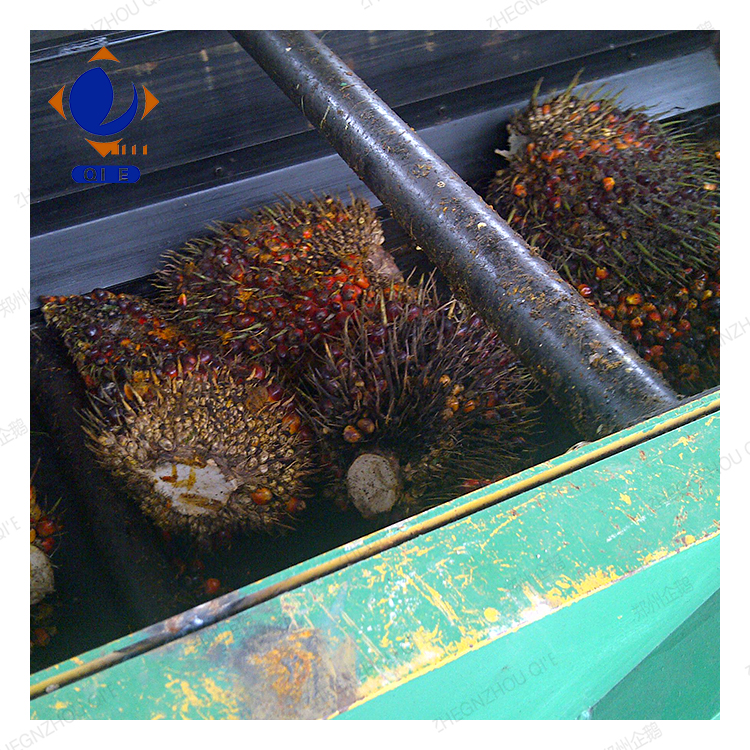
The first step in palm oil processing is the pretreatment of raw materials. Palm fruits and palm kernels require different pretreatment methods. For palm fruits, cleaning is the initial step. It helps remove dirt, debris, and other impurities, ensuring the purity of the raw material. After cleaning, the fruits need to be crushed. This process breaks the outer shell of the fruit, making it easier for subsequent processing. The crushing rate can reach up to 95%, which significantly improves the efficiency of the entire production line. Then, the crushed fruits are steamed. Steaming at a temperature of around 100 - 110°C for 30 - 45 minutes can soften the pulp and facilitate oil extraction.
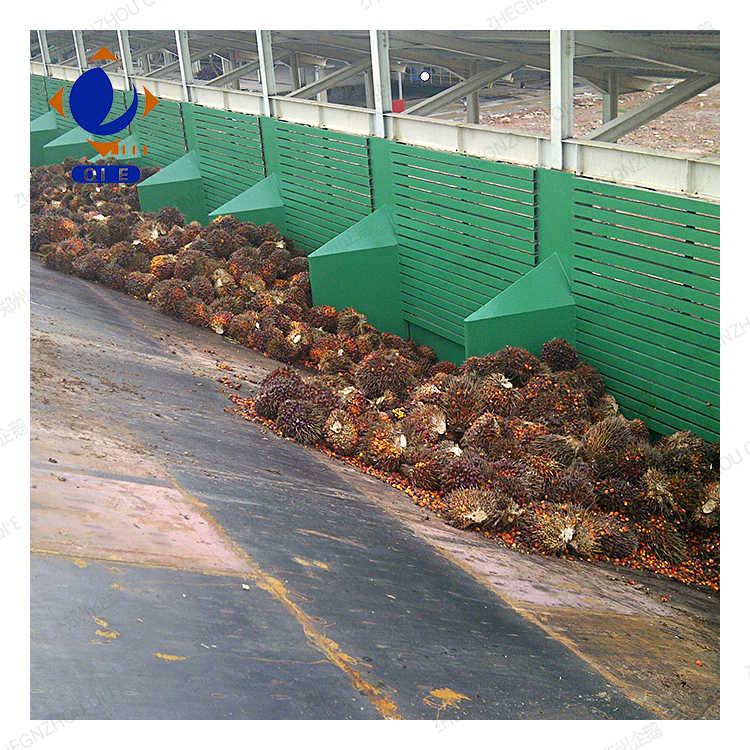
As for palm kernels, they also need to be cleaned first. After that, a more precise crushing process is required to break the hard shell. The broken kernels are then cooked at a temperature of 120 - 130°C for 20 - 30 minutes to enhance the oil - releasing ability.
Each step in the palm oil processing has key parameters such as temperature, pressure, and time, which have a direct impact on oil quality. For example, in the pressing process, the pressure should be controlled at 2 - 3 MPa. If the pressure is too low, the oil extraction rate will be reduced; if it is too high, it may damage the oil quality. The temperature during pressing should be maintained at 80 - 90°C to ensure the stability of the oil's physical and chemical properties.
In the refining process, including degumming, deacidification, decolorization, and deodorization, temperature and time are the most critical parameters. For degumming, a temperature of 60 - 70°C and a time of 30 - 60 minutes can effectively remove phospholipids and other impurities. In deacidification, a temperature of 70 - 80°C and a time of 45 - 60 minutes can reduce the acid value of the oil. Decolorization usually takes place at a temperature of 90 - 100°C for 20 - 30 minutes, using activated carbon or other adsorbents to remove pigments. Low - temperature deodorization at around 180 - 200°C for 60 - 90 minutes can remove odorous substances while maintaining the nutritional value of the oil.
| Process | Temperature (°C) | Time (minutes) | Pressure (MPa) |
|---|---|---|---|
| Pressing | 80 - 90 | - | 2 - 3 |
| Degumming | 60 - 70 | 30 - 60 | - |
| Deacidification | 70 - 80 | 45 - 60 | - |
| Decolorization | 90 - 100 | 20 - 30 | - |
| Deodorization | 180 - 200 | 60 - 90 | - |
Implementing an ISO9001 - based quality control system is essential in palm oil processing. This system ensures that every step of the production process is standardized and traceable. By strictly following the ISO9001 standards, the quality of the palm oil can be maintained at a high and consistent level. For example, in a real - world factory, after implementing the ISO9001 system, the rate of qualified products increased from 90% to 98%, significantly enhancing the market competitiveness of the products.
"Implementing ISO9001 in palm oil processing is like building a solid foundation for a high - rise building. It provides a reliable framework for quality control and process optimization." - Industry Expert
Advanced sterilization technology plays a core role in ensuring food safety. A high - end sterilizer can effectively kill various microorganisms, such as bacteria, fungi, and viruses. For instance, using a modern sterilizer, the microbial killing rate can reach 99.9%. This technology not only meets the strict food safety requirements but also extends the shelf - life of the palm oil.
In today's context of energy conservation and environmental protection, achieving high - yield production with low energy consumption is a key goal. In a certain factory, through technological innovation and process optimization, the energy consumption per unit of palm oil production was reduced by 30%, while the output increased by 20%. This was achieved by optimizing the heating system, improving the insulation performance of equipment, and using energy - efficient motors.
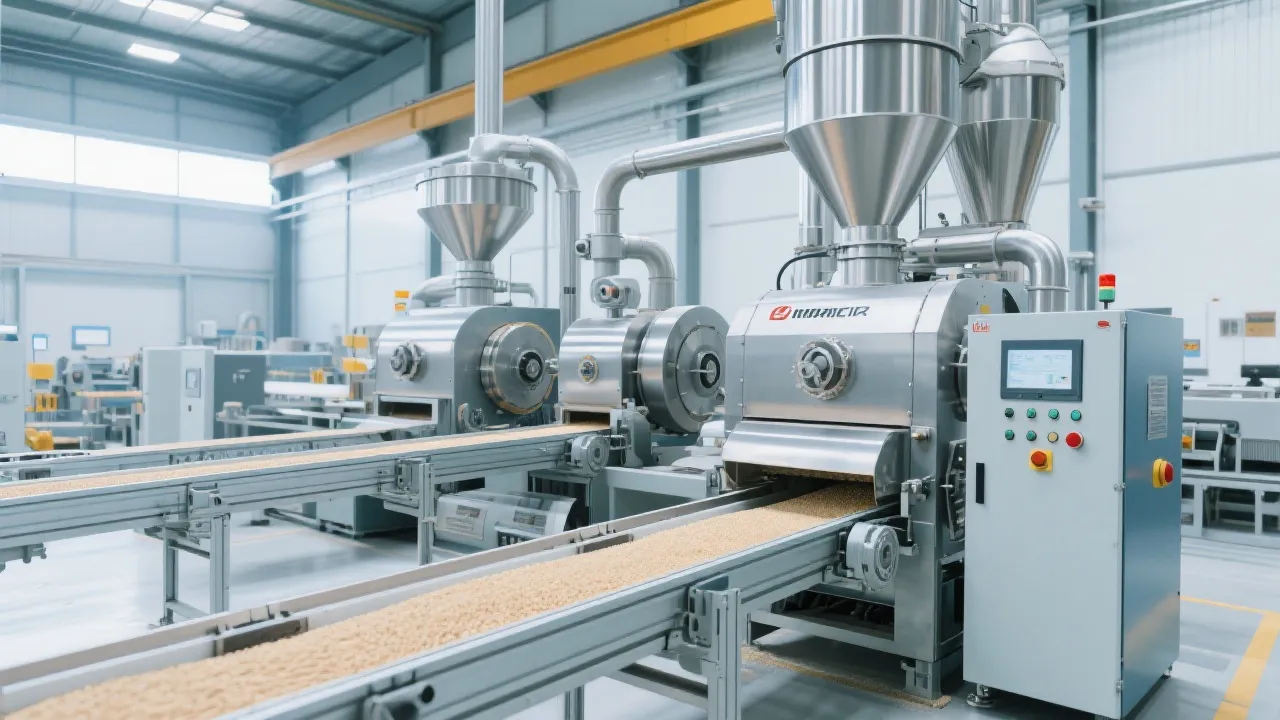
When it comes to equipment selection, food - grade stainless - steel equipment is highly recommended. It has excellent corrosion resistance, ensuring the safety and hygiene of the palm oil. Our company provides customized support services. Whether you need a small - scale production line or a medium - sized one, we can design a solution tailored to your specific needs.
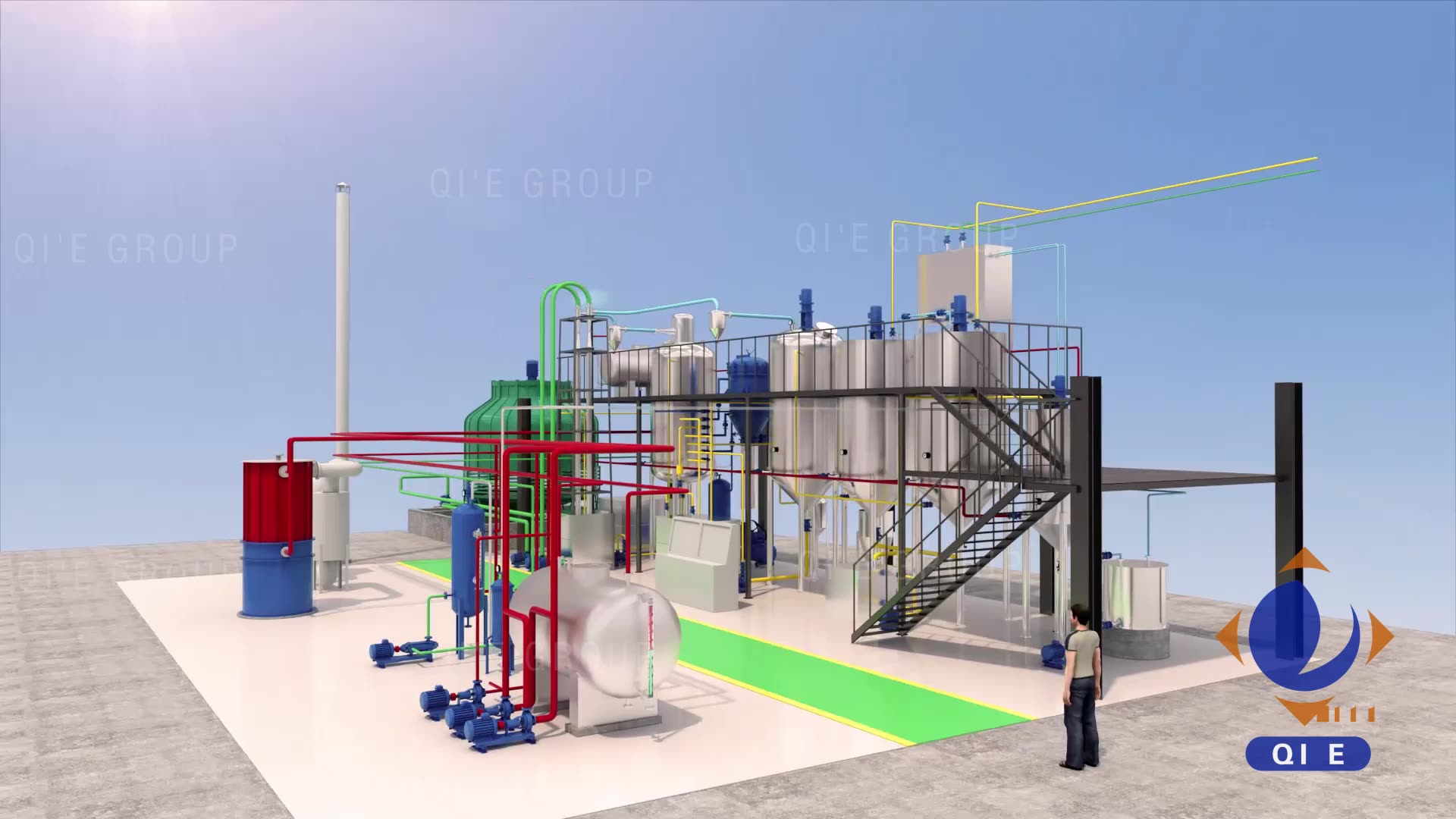
Understanding how we use automated processes to help customers reduce 30% energy consumption while increasing oil yield - Get the full solution now! Click Here
 small scale palm oil processing
automated palm oil equipment
energy efficient oil extraction
modular palm oil production
food grade stainless steel in oil processing
palm oil refining equipment
automated oil processing machinery
grain and oil machinery export
international certified refining technology
high-capacity palm oil production
palm oil processing equipment
advanced sterilization technology
food - grade stainless - steel equipment
palm fruit refining process
low - energy and high - efficiency production
automatic palm oil processing equipment
small-scale palm oil production line
low energy consumption palm oil production
temperature control in palm oil processing
food safety sterilization technology
Automated palm oil processing
Small - scale palm oil equipment
Palm oil sterilization process
Palm oil processing equipment
Fully automatic palm oil production
small scale palm oil processing
automated palm oil equipment
energy efficient oil extraction
modular palm oil production
food grade stainless steel in oil processing
palm oil refining equipment
automated oil processing machinery
grain and oil machinery export
international certified refining technology
high-capacity palm oil production
palm oil processing equipment
advanced sterilization technology
food - grade stainless - steel equipment
palm fruit refining process
low - energy and high - efficiency production
automatic palm oil processing equipment
small-scale palm oil production line
low energy consumption palm oil production
temperature control in palm oil processing
food safety sterilization technology
Automated palm oil processing
Small - scale palm oil equipment
Palm oil sterilization process
Palm oil processing equipment
Fully automatic palm oil production





.png?x-oss-process=image/resize,h_100,m_lfit/format,webp)
.png?x-oss-process=image/resize,h_100,m_lfit/format,webp)
.png?x-oss-process=image/resize,h_100,m_lfit/format,webp)


