
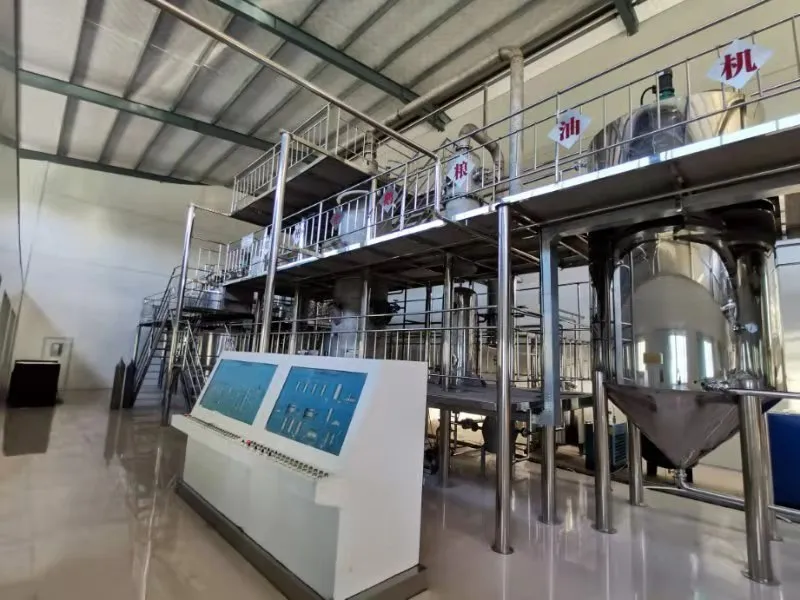
In the realm of cleaning, whether in the bustling kitchens of restaurants or the cozy corners of homes, the challenges of low cleaning efficiency and high equipment wear are all too familiar. Small and medium-sized enterprises (SMEs) and households often struggle to find effective solutions to these problems. This is where the innovative technologies and strategies for industrial-grade cleaning tools come into play.
In the food service industry, for example, cleaning tools are constantly exposed to grease, dirt, and high-intensity usage. In a typical restaurant kitchen, the daily steam consumption for cleaning can reach up to 500kg/t oil, which not only consumes a large amount of energy but also shortens the lifespan of the cleaning equipment. Similarly, in households, traditional cleaning tools often fail to meet the requirements of thorough and efficient cleaning, leading to a waste of time and effort.
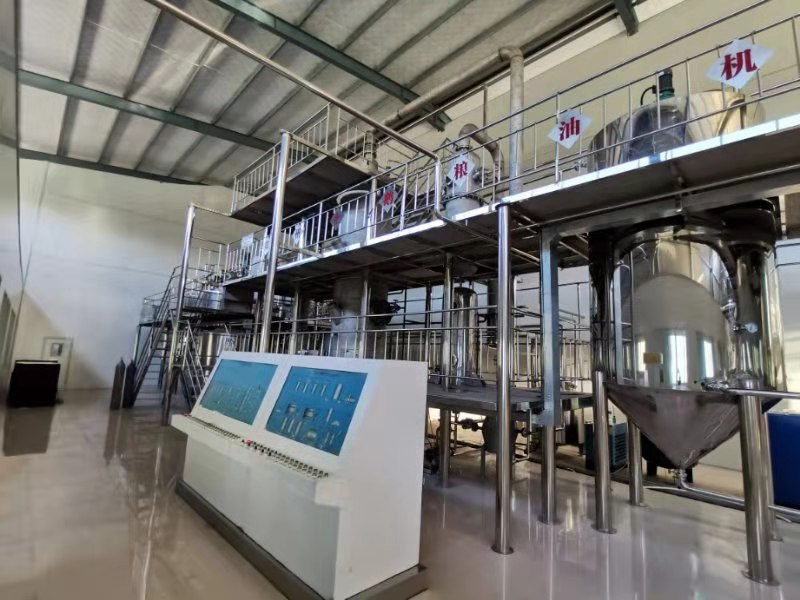
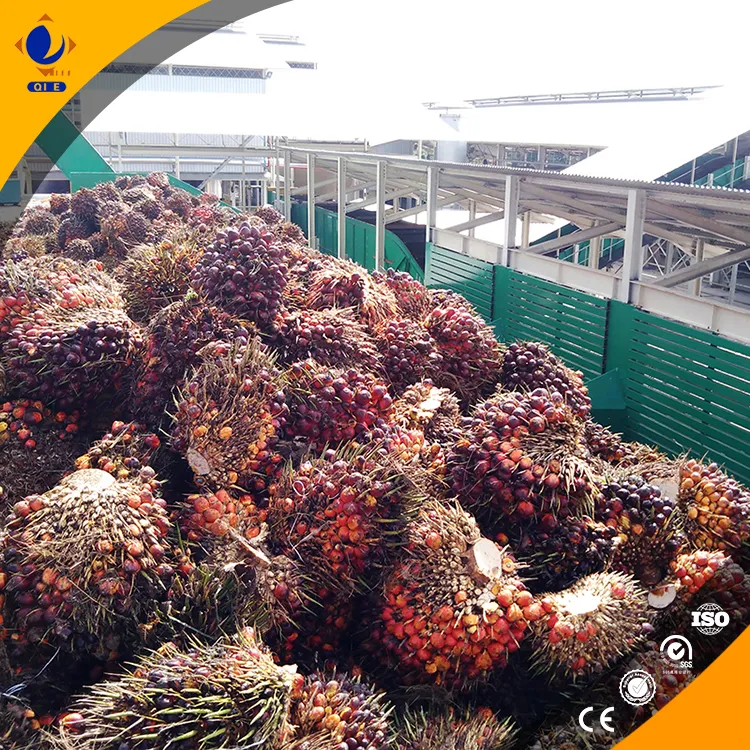
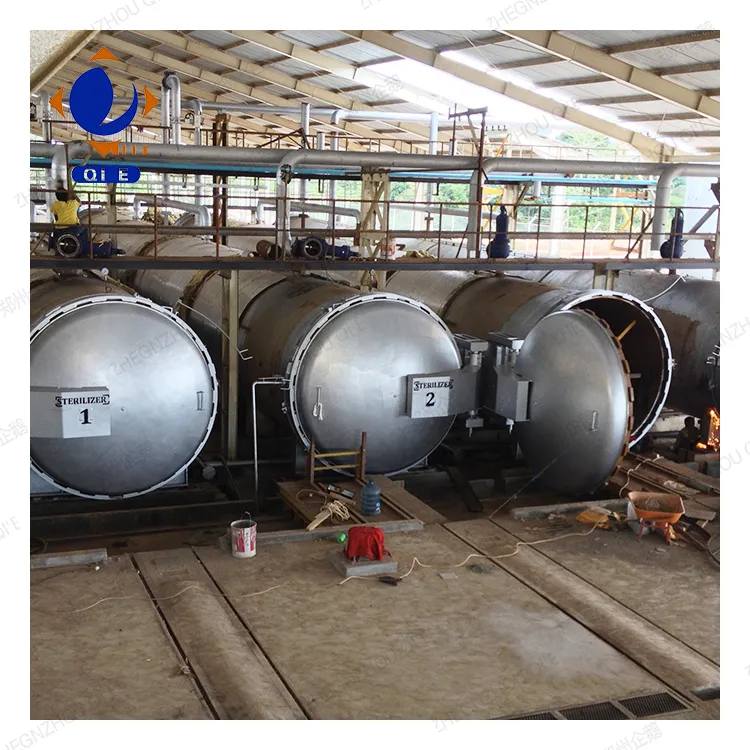
The industrial automation production line, such as the fully automatic palm oil production line, offers valuable insights into enhancing the durability of cleaning tools. Technologies like PLC control and remote video support have proven to be effective in extending the lifespan of equipment. PLC control allows for precise operation and monitoring, reducing the risk of human error and equipment damage. Remote video support enables technicians to diagnose and solve problems in real-time, minimizing downtime.
For instance, in an industrial setting, the use of PLC control can reduce the steam consumption for cleaning to below 300kg/t oil, which not only saves energy but also reduces the wear and tear on the equipment. By applying these technologies to cleaning tools, we can achieve more efficient and durable cleaning solutions.

Let's take a look at some specific features of modern cleaning tools that can significantly improve the cleaning experience. The quick-release suction head, for example, allows for easy replacement and cleaning, reducing the time and effort required for maintenance. The anti-clogging filter ensures smooth operation and prevents blockages, which is especially important in environments with a high volume of dirt and debris.
Intelligent cleaning prompts are another great feature. These prompts can remind users when it's time to clean or replace parts, ensuring that the cleaning tools are always in optimal condition. In a case study of a restaurant, the implementation of these features led to a 30% increase in cleaning efficiency and a 20% reduction in equipment maintenance costs.
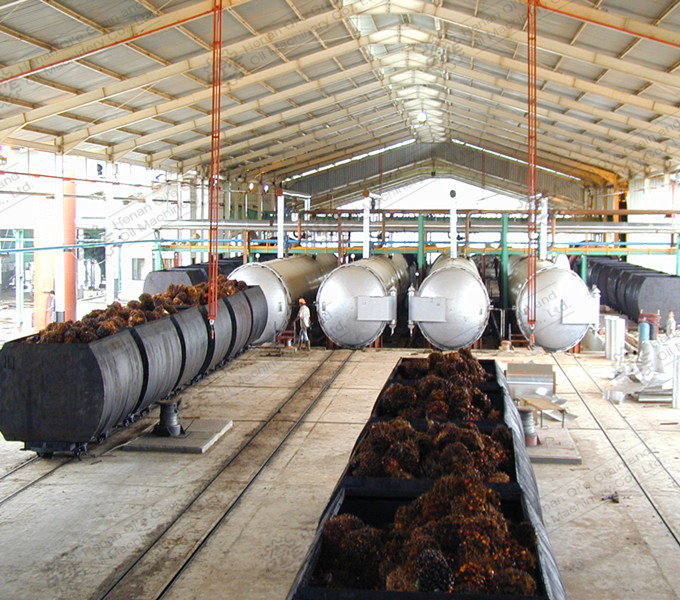
To help users make the most of their cleaning tools, here are some practical maintenance tips. Regularly clean the filters and suction heads to prevent blockages. Lubricate the moving parts to ensure smooth operation. And follow the manufacturer's instructions for maintenance and replacement of parts. By following these tips, users can reduce the human cost and wear rate of their cleaning tools.
We encourage you to share your experiences and insights in the comments section below. Your feedback can help others make better use of these cleaning tools and technologies.
If you're interested in learning more about industrial automation solutions for cleaning, click here to explore further. Discover how these advanced technologies can transform your cleaning experience and enhance the durability of your cleaning tools.
 Palm oil processing process
Palm fruit pretreatment technology
Palm kernel refining process
Food - grade stainless steel equipment
Low - temperature deodorization control
palm oil processing automation
PLC control system
modular plant design
energy efficiency in palm oil mills
fast commissioning of processing lines
Palm oil production automation
PLC intelligent control system
Energy conservation
Modular design
Southeast Asian palm oil market
palm oil production line
Southeast Asian palm oil factory
hot and cold pressing technology
automated palm oil equipment
palm oil production troubleshooting
palm oil factory construction
fully automated palm oil production
cold and hot pressing process
palm oil production Southeast Asia
PLC control system
Palm oil processing process
Palm fruit pretreatment technology
Palm kernel refining process
Food - grade stainless steel equipment
Low - temperature deodorization control
palm oil processing automation
PLC control system
modular plant design
energy efficiency in palm oil mills
fast commissioning of processing lines
Palm oil production automation
PLC intelligent control system
Energy conservation
Modular design
Southeast Asian palm oil market
palm oil production line
Southeast Asian palm oil factory
hot and cold pressing technology
automated palm oil equipment
palm oil production troubleshooting
palm oil factory construction
fully automated palm oil production
cold and hot pressing process
palm oil production Southeast Asia
PLC control system








.png?x-oss-process=image/resize,h_100,m_lfit/format,webp)
.png?x-oss-process=image/resize,h_100,m_lfit/format,webp)
.png?x-oss-process=image/resize,h_100,m_lfit/format,webp)


