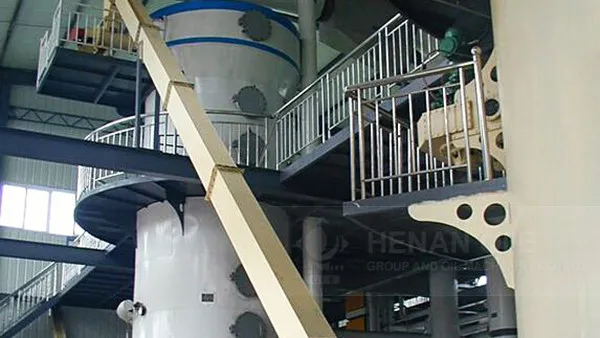
In today's fast - paced business environment, the efficiency and durability of kitchen cleaning equipment are of utmost importance. Inspired by the intelligent maintenance experience of oil processing equipment, industrial automation technology is quietly revolutionizing the design logic of kitchen cleaning tools.
Small and medium - sized enterprises and household kitchens often face issues such as low cleaning efficiency and high equipment wear - and - tear. For example, in a small restaurant, the traditional cleaning tools may take up to 2 hours to clean the kitchen thoroughly, and the equipment may need to be replaced every 6 months due to excessive wear. These problems not only increase the labor cost but also affect the overall hygiene management.
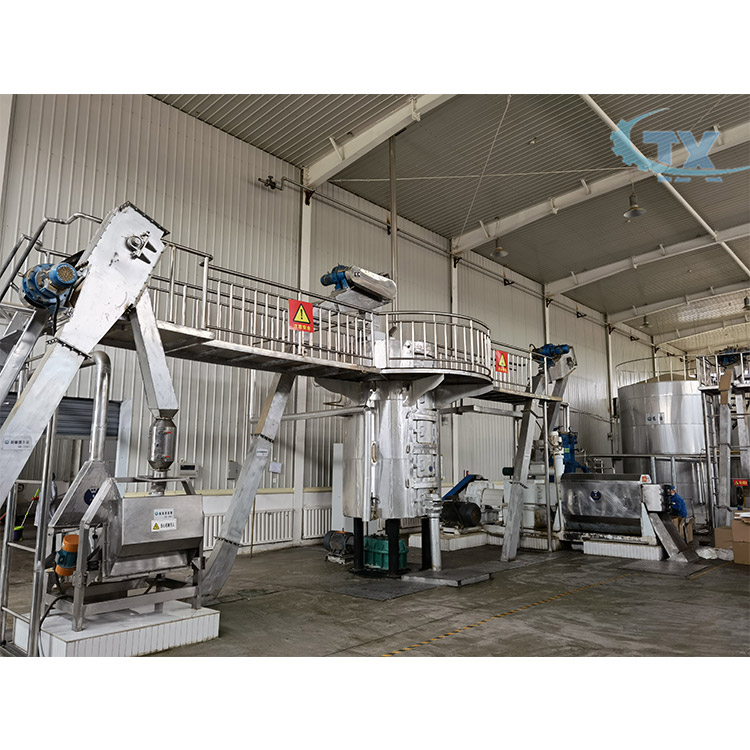
The concepts from the fully - automated palm oil production line, such as PLC control, remote operation and maintenance, and quick - disassembly design, can be effectively applied to kitchen cleaning equipment. PLC control allows for precise operation of the cleaning equipment, reducing human error. Remote operation and maintenance enable technicians to troubleshoot problems without being on - site, saving time and cost. For instance, a food processing plant that adopted these industrial - grade concepts in its kitchen cleaning equipment reported a 30% reduction in maintenance time.
Modular component replacement, intelligent prompt functions, and anti - clogging filter technology significantly improve the user experience. Modular components make it easy to replace damaged parts, reducing downtime. The intelligent prompt system can remind users when it's time to clean or replace parts. The anti - clogging filter technology ensures continuous and efficient operation of the equipment. A certain catering chain reported that after using equipment with these technologies, the dust collection bin cleaning frequency decreased by 40%. ‘This shows the significant impact of these technologies on improving cleaning efficiency and reducing maintenance costs.’
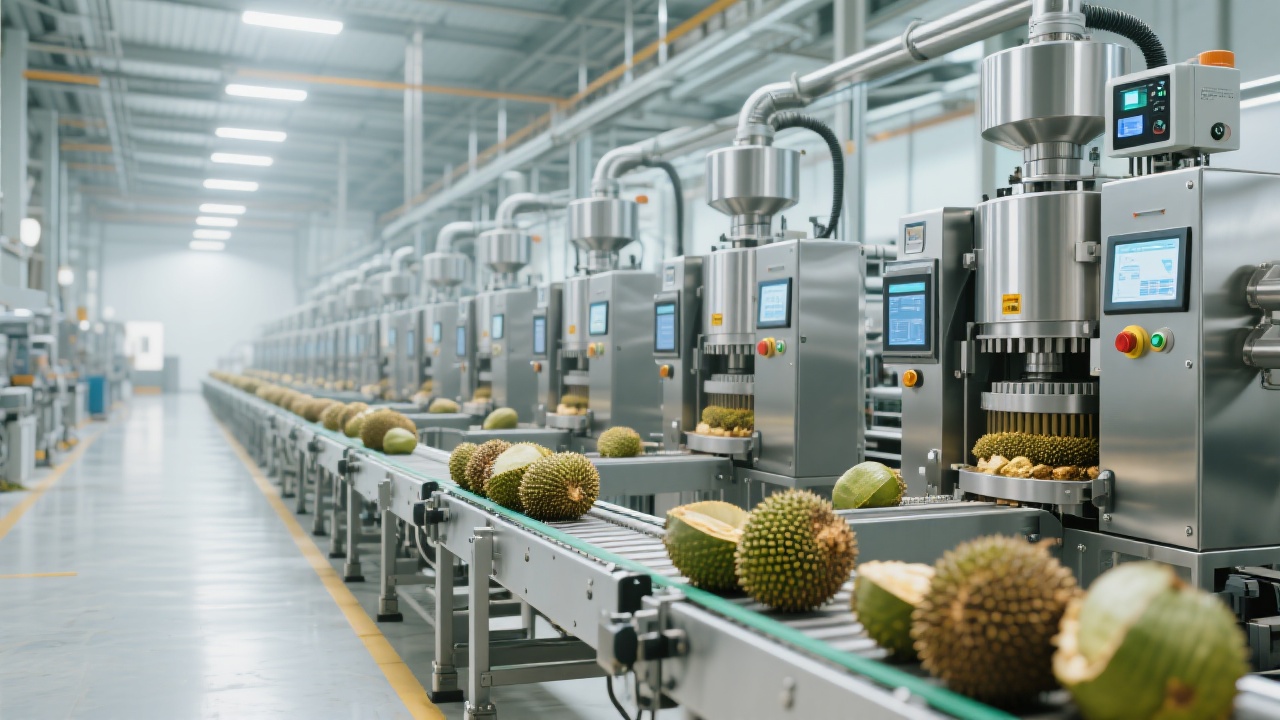
In different scenarios such as restaurants, small processing plants, and household kitchens, the application of industrial - automated cleaning equipment brings different benefits. In a restaurant, it can save up to 1 hour of cleaning time per day, allowing staff to focus on other important tasks. In a small processing plant, it can reduce the equipment failure rate by 25%. For household kitchens, it can make cleaning easier and more efficient, saving the family's time and energy.
Regular cleaning, structural optimization, and remote assistance are practical strategies to extend the equipment's lifespan. Regular cleaning can prevent the accumulation of dirt and debris, reducing the risk of equipment damage. Structural optimization can improve the equipment's performance and durability. Remote assistance allows for timely problem - solving, minimizing the impact on business operations. For example, a company that implemented these maintenance strategies extended the service life of its kitchen cleaning equipment by 50%.
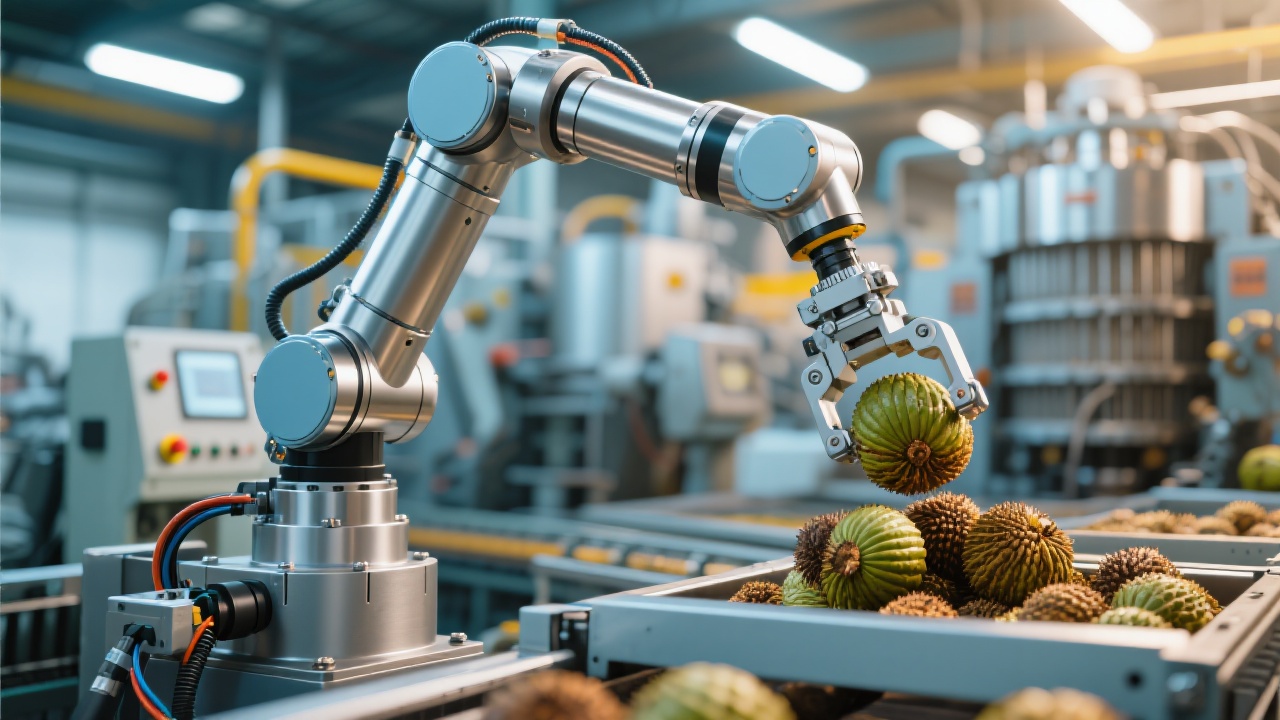
Rather than directly promoting products, QIE Group focuses on building a trustworthy professional image through sharing professional knowledge. By providing in - depth industry research and practical solutions, the brand can gain the trust of customers and establish long - term relationships.
If you want to learn more about industrial - grade cleaning design ideas, please visit our technology column.
 palm oil processing equipment
advanced sterilization technology
food-grade stainless steel equipment
palm fruit refining process
low-energy efficient production
palm oil production line
automated palm oil processing
CE certified machinery
ISO9001 quality system
efficient oil extraction technology
palm oil production line
cold and hot pressing technology
automated control system
palm oil mill construction
energy-efficient palm oil processing
palm oil automation solutions
small-scale palm oil processing equipment
palm oil sterilization technology
fully automated palm oil refining equipment
palm oil processing equipment selection
Palm oil processing equipment
Palm fruit processing technology
Palm kernel refining process
Food - grade stainless steel equipment
ISO9001 quality management
palm oil processing equipment
advanced sterilization technology
food-grade stainless steel equipment
palm fruit refining process
low-energy efficient production
palm oil production line
automated palm oil processing
CE certified machinery
ISO9001 quality system
efficient oil extraction technology
palm oil production line
cold and hot pressing technology
automated control system
palm oil mill construction
energy-efficient palm oil processing
palm oil automation solutions
small-scale palm oil processing equipment
palm oil sterilization technology
fully automated palm oil refining equipment
palm oil processing equipment selection
Palm oil processing equipment
Palm fruit processing technology
Palm kernel refining process
Food - grade stainless steel equipment
ISO9001 quality management





.png?x-oss-process=image/resize,h_100,m_lfit/format,webp)
.png?x-oss-process=image/resize,h_100,m_lfit/format,webp)
.png?x-oss-process=image/resize,h_100,m_lfit/format,webp)