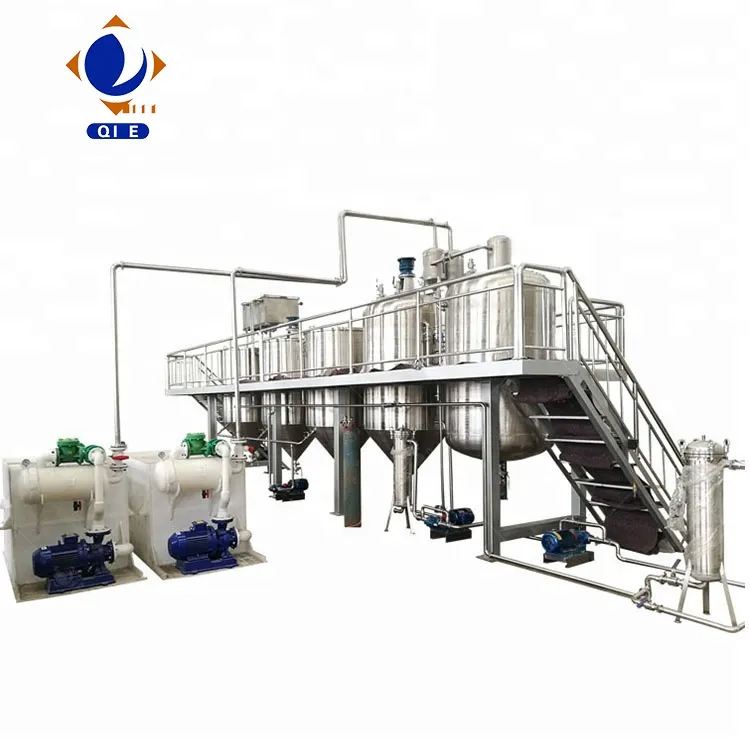
For small and medium-sized grain and oil processing plants, managing long-term operational costs is a critical concern that often dictates business sustainability. Despite the appeal of lower upfront investment in traditional manual or semi-automatic equipment, the hidden costs related to maintenance frequency, energy consumption, and labor dependency frequently escalate total cost of ownership (TCO) far beyond initial projections.
Industry data indicates that conventional hand-operated or semi-automatic grain processing machines require maintenance three times more often annually compared to their automated counterparts. This increase in maintenance frequency directly translates into more unplanned downtime, labor hours, and costly replacement parts, severely impacting production efficiency and profitability.
| Key Metric | Traditional Equipment | Automated Equipment |
|---|---|---|
| Annual Maintenance Frequency | 6+ times/year | 2 times/year |
| Average Downtime per Event | 8 hours | 3 hours |
| Operator Dependency Level | High (Manual Monitoring) | Low (Automated Controls) |
| Energy Consumption Efficiency | Baseline | 20% Reduction |
Such operational metrics underscore the advantage of adopting automated processing systems which not only improve productivity but also reduce costs linked to workforce and energy consumption.
“Implementing automated grain processing equipment with extended warranties significantly mitigates downtime risks and fosters stronger ROI over the equipment life cycle.” – Dr. Elena Cruz, Industrial Automation Expert
The 36-month warranty on critical machine components is not merely a marketing promise but a reflection of rigorous engineering and quality assurance. Key factors contributing to this extended warranty include:
These practices culminate in equipment that sustains stable performance and can dramatically reduce unexpected repair or replacement expenses.
For overseas clients, a robust after-sales network built around rapid parts availability, remote technical troubleshooting, and localized service hubs is indispensable. Response times for spare parts delivery can be reduced from weeks to days, while remote diagnostics often prevent downtime before it occurs.
This support infrastructure translates directly to minimized production loss and a more predictable operational budget, an essential advantage for SMEs with tight cash flows.
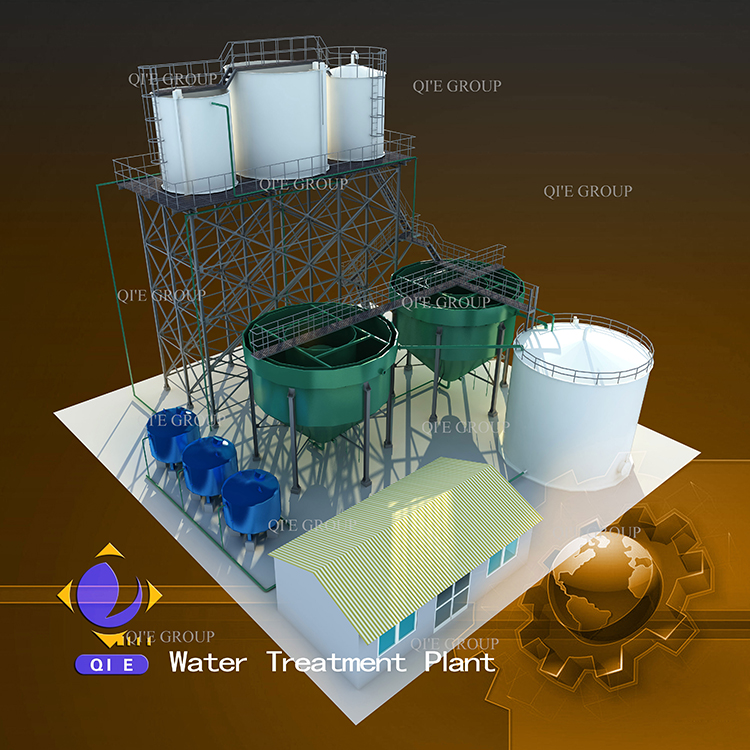
By reframing investment decisions to focus on total cost of ownership rather than just upfront costs, decision-makers can better evaluate financial and operational benefits across the investment horizon.
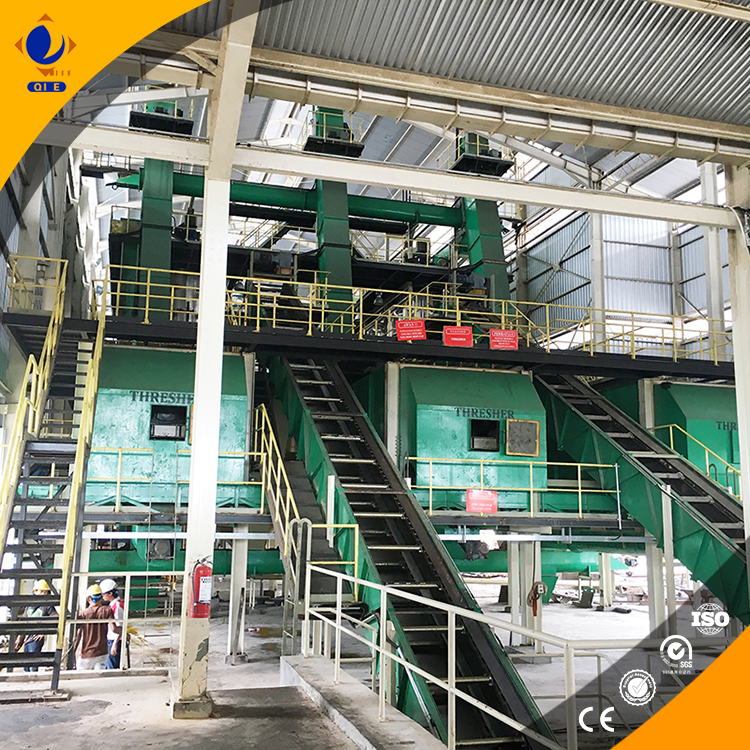
Illustrative case studies reveal automated systems enabling SMEs to reduce annual operational costs by up to 25% through fewer breakdowns and energy savings. Smart monitoring embedded in these systems provides actionable insights enabling predictive maintenance, thereby driving continuous uptime improvements.
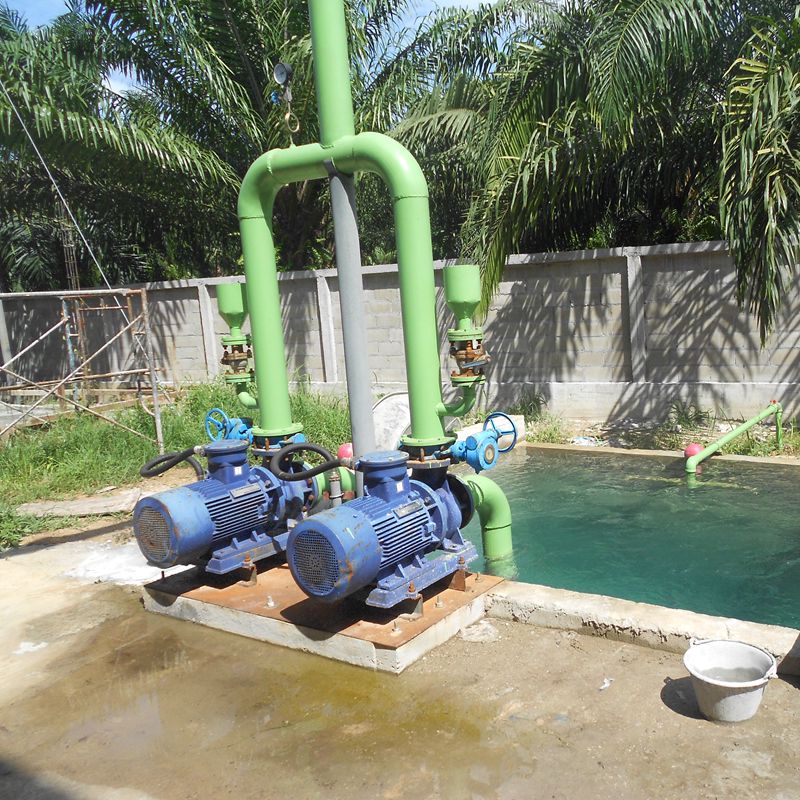
In a competitive global market, these factors can be decisive for small and medium grain and oil processors aiming to secure their supply chains and growth trajectories over the coming decades.





.png?x-oss-process=image/resize,h_100,m_lfit/format,webp)
.png?x-oss-process=image/resize,h_100,m_lfit/format,webp)
.png?x-oss-process=image/resize,h_100,m_lfit/format,webp)