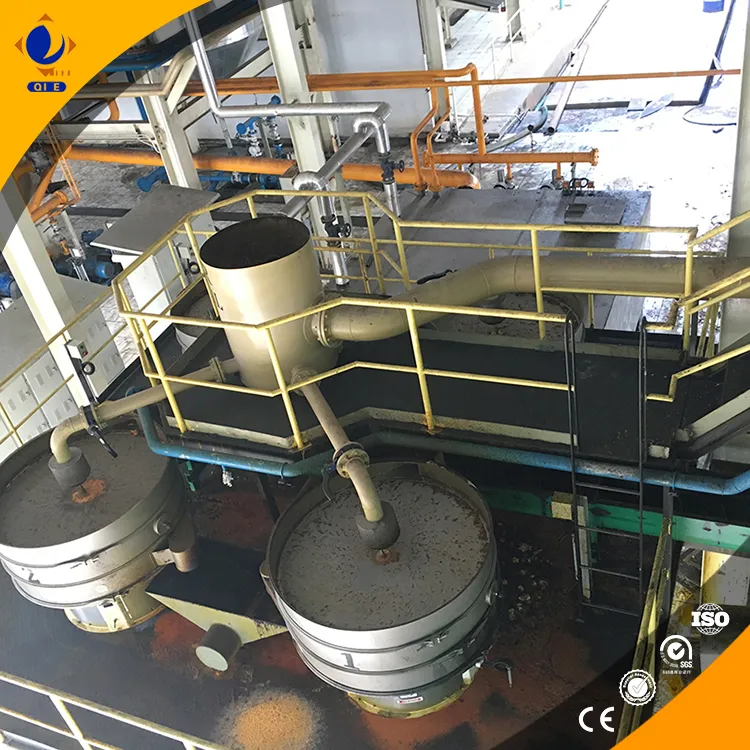
In recent years, the palm oil industry in Southeast Asia has witnessed remarkable growth. According to industry reports, Southeast Asia accounts for over 80% of the world's palm oil production. The increasing global demand for palm oil, driven by its wide applications in food, cosmetics, and biofuel industries, has created a lucrative market for producers in this region. The market is expected to continue its upward trend, with a projected annual growth rate of 3 - 5% in the next five years. This growth is fueled by factors such as population growth, rising disposable incomes, and the expansion of the middle - class in emerging economies.
Selecting the right location for a palm oil production plant in Southeast Asia is crucial. A good location should be close to palm oil plantations to reduce transportation costs. It is estimated that for every 100 kilometers of transportation, the cost can increase by 5 - 10%. Additionally, the site should have access to reliable water and electricity sources. Environmental factors also play a significant role. For example, areas with stable climates and low flood risks are more suitable. As industry experts suggest, a well - chosen location can save up to 20% of the overall production cost in the long run.
When it comes to equipment selection, international certifications are a must. For instance, equipment with ISO 9001 and HACCP certifications ensures high - quality production. The core components of a fully automated palm oil production line, such as crushers, extractors, and separators, should be carefully chosen. High - quality equipment can increase production efficiency by up to 30%. Moreover, these components should be able to withstand the harsh production environment in Southeast Asia, with high humidity and temperature.
Cold pressing is known for its ability to preserve the natural nutrients in palm oil, making it suitable for producing high - grade palm oil. However, its production efficiency is relatively low, with an output that is about 15 - 20% less than hot pressing. On the other hand, hot pressing can achieve higher yields but may cause some nutrient loss. Different grades of palm oil, such as first - grade, second - grade, and red oil, require different pressing processes. For example, first - grade palm oil often uses cold pressing to maintain its quality.
The PLC intelligent control system can significantly improve the automation and stability of the palm oil production line. It can monitor and adjust various parameters in real - time, reducing human errors. With the application of this system, the production error rate can be reduced by up to 15%, and the overall production efficiency can be increased by 10 - 15%. This system also enables remote monitoring and control, which is very convenient for plant managers.
Quality control is essential in palm oil production. Key points include raw material inspection, in - process monitoring, and final product testing. Environmental protection technologies, such as waste treatment and energy - saving measures, are also important. For example, using waste palm kernels as biofuel can reduce energy costs by 10 - 15%. Complying with food - grade and industrial - grade standards is non - negotiable to ensure market access.
A well - trained workforce is the key to the smooth operation of a palm oil production plant. A comprehensive personnel training system should cover equipment operation, maintenance, and quality control. Full - process technical support can help solve problems in a timely manner, reducing production downtime. It is estimated that a good training system and technical support can increase the plant's production capacity by 10 - 15% in the first year of operation.
Environmental compliance and sustainable development are crucial for the long - term profitability of palm oil production plants. Consumers are increasingly concerned about the environmental impact of palm oil production. By adopting sustainable practices, such as reducing deforestation and using eco - friendly production methods, companies can enhance their brand image and gain a competitive edge in the market. As industry authorities point out, sustainable development can lead to a 10 - 15% increase in market share in the long term.
Click to download the palm oil production line fault troubleshooting manual
 automated palm oil processing
small scale palm oil equipment
palm oil sterilization process
palm oil refining system
palm oil processing maintenance
palm oil processing plant
cold press vs hot press
automated palm oil production line
eco-friendly palm oil technology
Southeast Asia palm oil factory
palm oil production line
eco-friendly palm oil factory
cold press vs hot press
energy efficiency in palm oil mills
PLC automation system
Cold pressing process
Hot pressing process
Palm oil yield improvement
Palm oil quality control
Fully automated palm oil production line
palm oil cold pressing
palm oil hot pressing
palm oil processing technology
red palm oil production
automated palm oil plant
automated palm oil processing
small scale palm oil equipment
palm oil sterilization process
palm oil refining system
palm oil processing maintenance
palm oil processing plant
cold press vs hot press
automated palm oil production line
eco-friendly palm oil technology
Southeast Asia palm oil factory
palm oil production line
eco-friendly palm oil factory
cold press vs hot press
energy efficiency in palm oil mills
PLC automation system
Cold pressing process
Hot pressing process
Palm oil yield improvement
Palm oil quality control
Fully automated palm oil production line
palm oil cold pressing
palm oil hot pressing
palm oil processing technology
red palm oil production
automated palm oil plant








.png?x-oss-process=image/resize,h_100,m_lfit/format,webp)
.png?x-oss-process=image/resize,h_100,m_lfit/format,webp)
.png?x-oss-process=image/resize,h_100,m_lfit/format,webp)