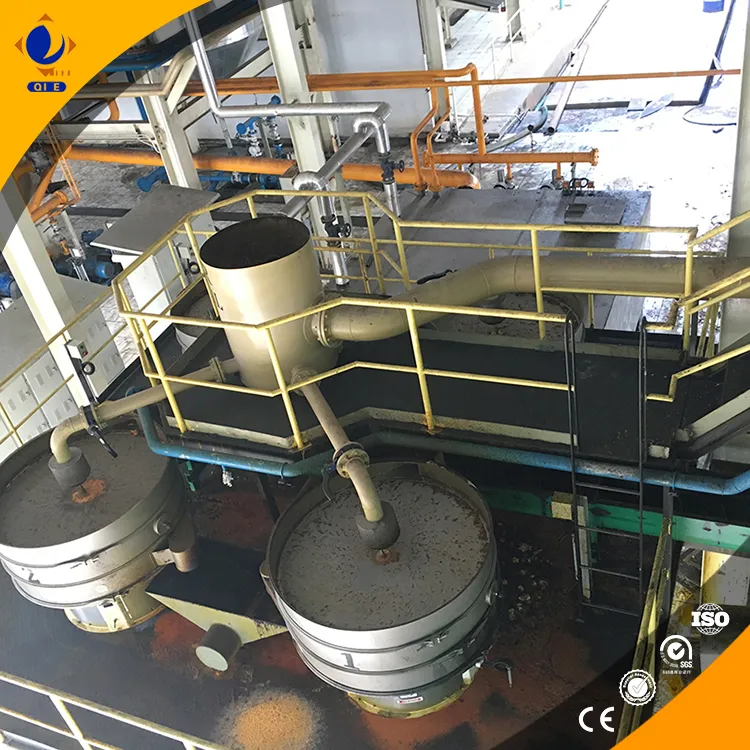
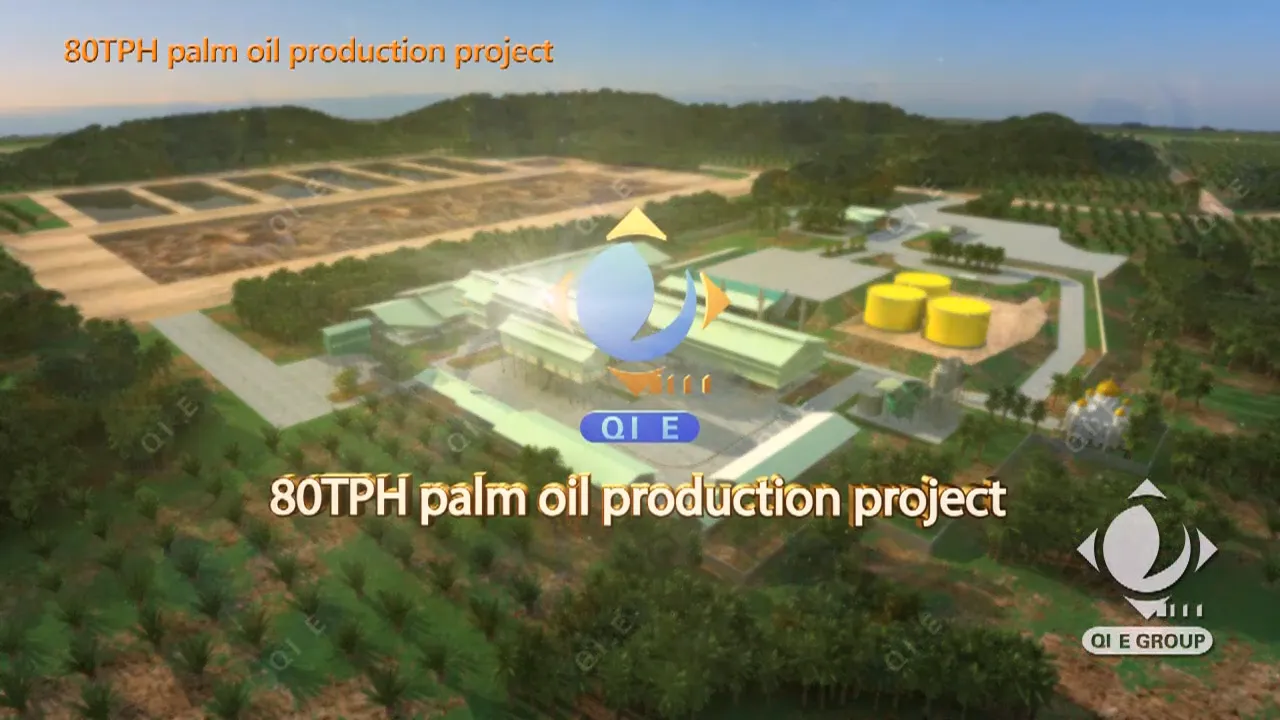
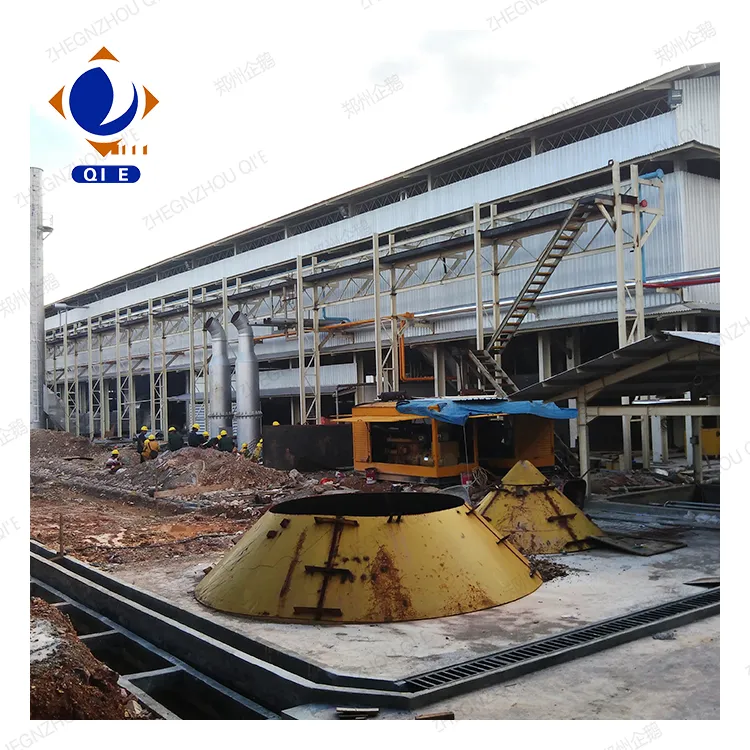
The palm oil industry in Southeast Asia has witnessed significant growth in recent years, driven by increasing global demand. However, with this growth comes the responsibility of ensuring sustainable and efficient production. This article delves into the entire construction process of palm oil production plants in Southeast Asia, addressing key aspects such as site selection, equipment choices, and the application of cutting - edge technologies.
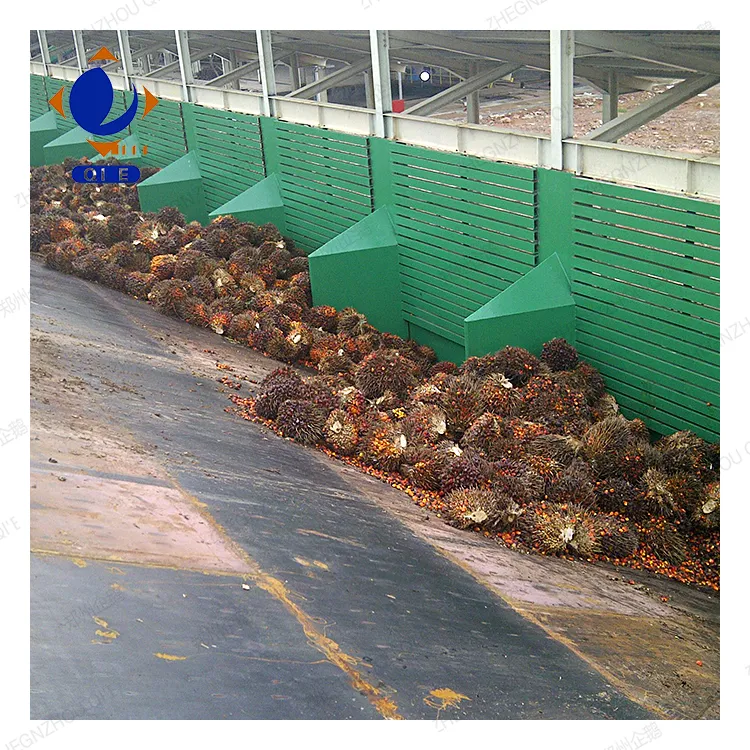
The first step in building a palm oil production plant is site selection. A suitable location should be close to palm oil plantations to reduce transportation costs and ensure a stable supply of raw materials. According to industry data, transporting palm fruits over long distances can lead to a 10 - 15% loss in oil yield due to fruit deterioration. Thus, choosing a site within a 30 - 50 km radius of the plantations is highly recommended. Additionally, factors like access to water sources, transportation infrastructure, and local labor availability also play crucial roles.
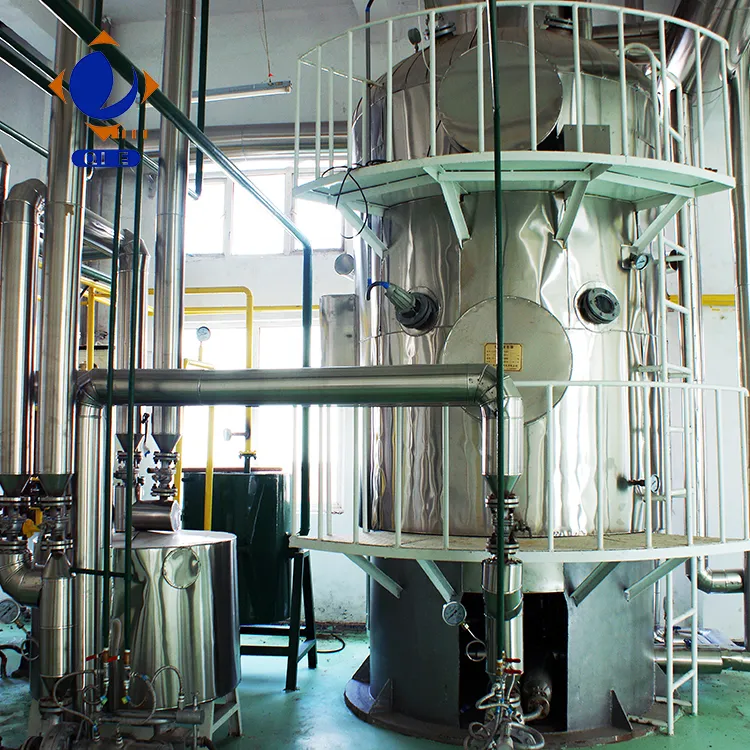
There are two main extraction processes in palm oil production: cold and hot pressing. Cold pressing involves extracting oil at lower temperatures, typically below 40°C. This method preserves more nutrients and natural antioxidants in the palm oil, making it suitable for high - end consumer products. On the other hand, hot pressing at temperatures around 80 - 90°C can achieve a higher oil extraction rate, up to 90 - 92%, compared to about 80 - 85% in cold pressing. The choice between the two processes depends on the product's target market and positioning.
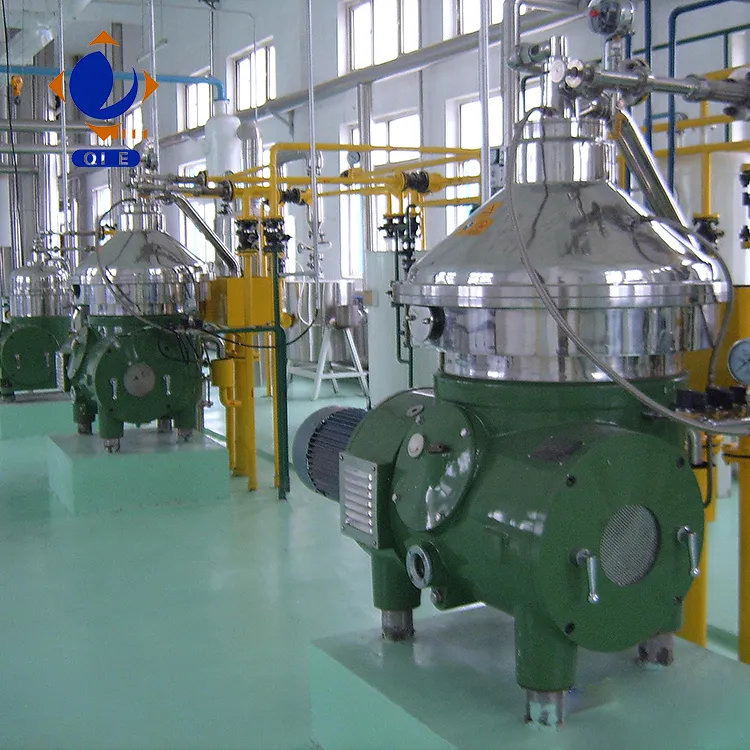
Implementing an automated control system in palm oil production plants can bring significant benefits. It can increase production efficiency by up to 30%, as machines can operate continuously without breaks. Moreover, it enhances product quality stability, reducing human - induced errors. Automated systems can precisely control parameters such as temperature, pressure, and flow rate during the production process, ensuring consistent product quality.
In an era of increasing environmental awareness, palm oil production plants need to adopt effective environmental protection and energy - saving technologies. Wastewater treatment is a top priority. By implementing advanced wastewater treatment systems, plants can reduce the BOD (Biochemical Oxygen Demand) and COD (Chemical Oxygen Demand) levels of the wastewater by over 90%, meeting strict environmental regulations. Energy consumption monitoring mechanisms are equally important. By monitoring and analyzing energy usage in real - time, plants can identify energy - consuming bottlenecks and optimize processes, leading to potential energy savings of 15 - 20%.
To ensure the smooth operation of the plant and the effective implementation of new technologies, comprehensive training programs for both operators and management are essential. Well - trained operators can handle equipment more skillfully, reducing the frequency of equipment breakdowns. Meanwhile, managers need to be updated on the latest industry trends and management strategies to make informed decisions.
To gain a deeper understanding of the palm oil production process and solve potential problems, you can download our Palm Oil Production Line Common Fault Troubleshooting Manual. It provides practical guidance and solutions to help you optimize your production process and ensure long - term profitability.
 automated palm oil processing equipment
palm fruit pressing technology
palm kernel degumming process
food safety sterilization in oil refining
ISO9001 quality management in oil processing
Small and medium-sized grain and oil processing equipment maintenance cost
Palm oil processing equipment warranty period
Energy-saving advantages of automated equipment
Grain and oil mill equipment downtime loss
Equipment core component warranty
palm oil processing equipment
advanced sterilization technology
food-grade stainless steel equipment
ISO9001 certification
palm fruit and kernel refining
Palm oil processing equipment
Advanced sterilization technology
Food safety assurance
Temperature - time parameters
ISO9001 quality management
palm oil processing technology
palm fruit pretreatment methods
palm kernel oil refining
ISO9001 food grade equipment
energy-efficient palm oil production
automated palm oil processing equipment
palm fruit pressing technology
palm kernel degumming process
food safety sterilization in oil refining
ISO9001 quality management in oil processing
Small and medium-sized grain and oil processing equipment maintenance cost
Palm oil processing equipment warranty period
Energy-saving advantages of automated equipment
Grain and oil mill equipment downtime loss
Equipment core component warranty
palm oil processing equipment
advanced sterilization technology
food-grade stainless steel equipment
ISO9001 certification
palm fruit and kernel refining
Palm oil processing equipment
Advanced sterilization technology
Food safety assurance
Temperature - time parameters
ISO9001 quality management
palm oil processing technology
palm fruit pretreatment methods
palm kernel oil refining
ISO9001 food grade equipment
energy-efficient palm oil production








.png?x-oss-process=image/resize,h_100,m_lfit/format,webp)
.png?x-oss-process=image/resize,h_100,m_lfit/format,webp)
.png?x-oss-process=image/resize,h_100,m_lfit/format,webp)