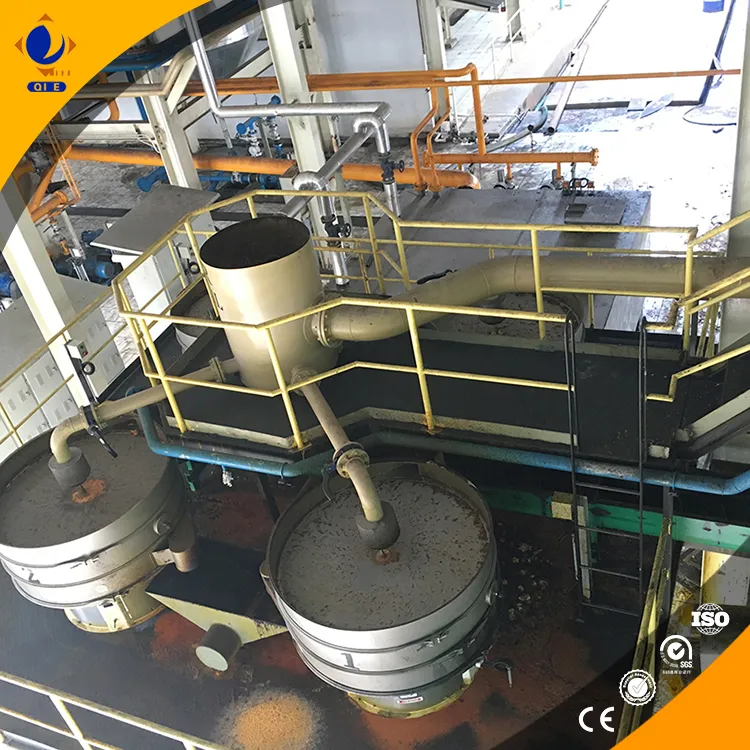
In recent years, the palm oil industry in Southeast Asia has witnessed remarkable growth, driven by increasing global demand for palm oil in various sectors such as food, biofuel, and cosmetics. This growth has spurred a significant demand for local production, as investors look to capitalize on the region's abundant palm oil resources and favorable business environment.
The Southeast Asian palm oil industry has been expanding at an annual rate of approximately 5% in the past decade. With the rising population and economic development in the region, the demand for palm oil products continues to soar. Local production has become a necessity to meet the increasing demand and reduce transportation costs.
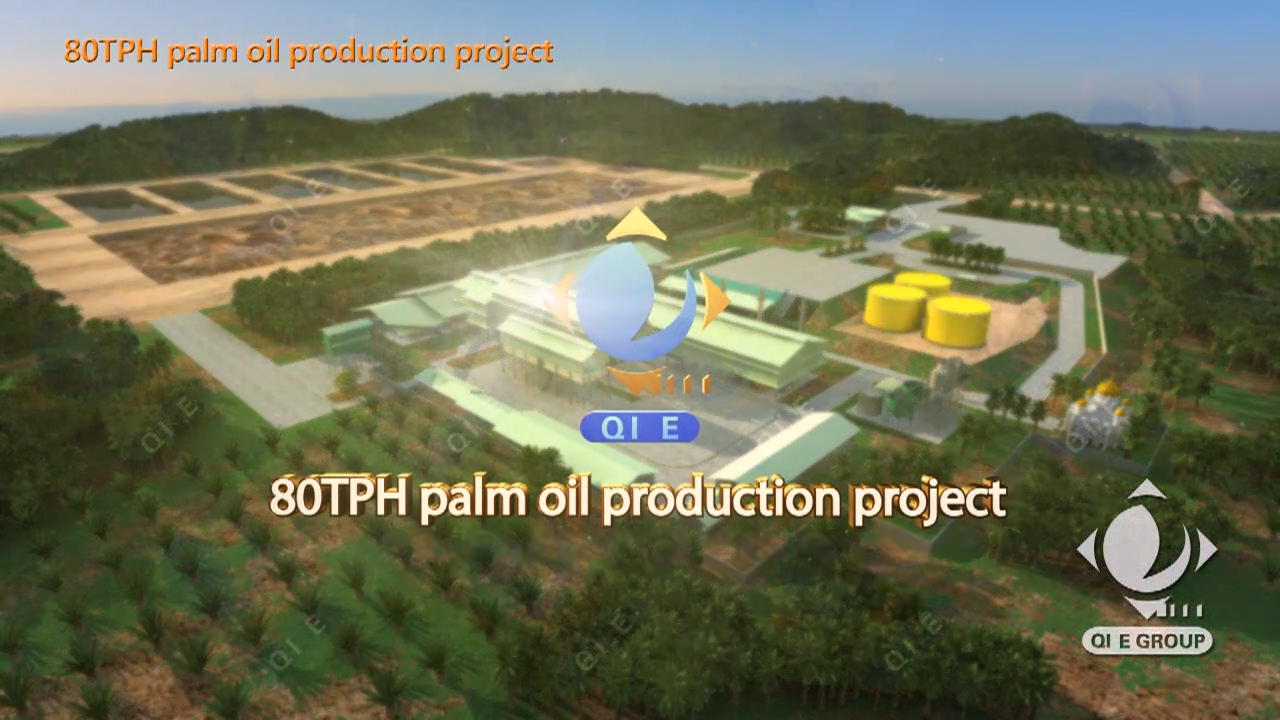
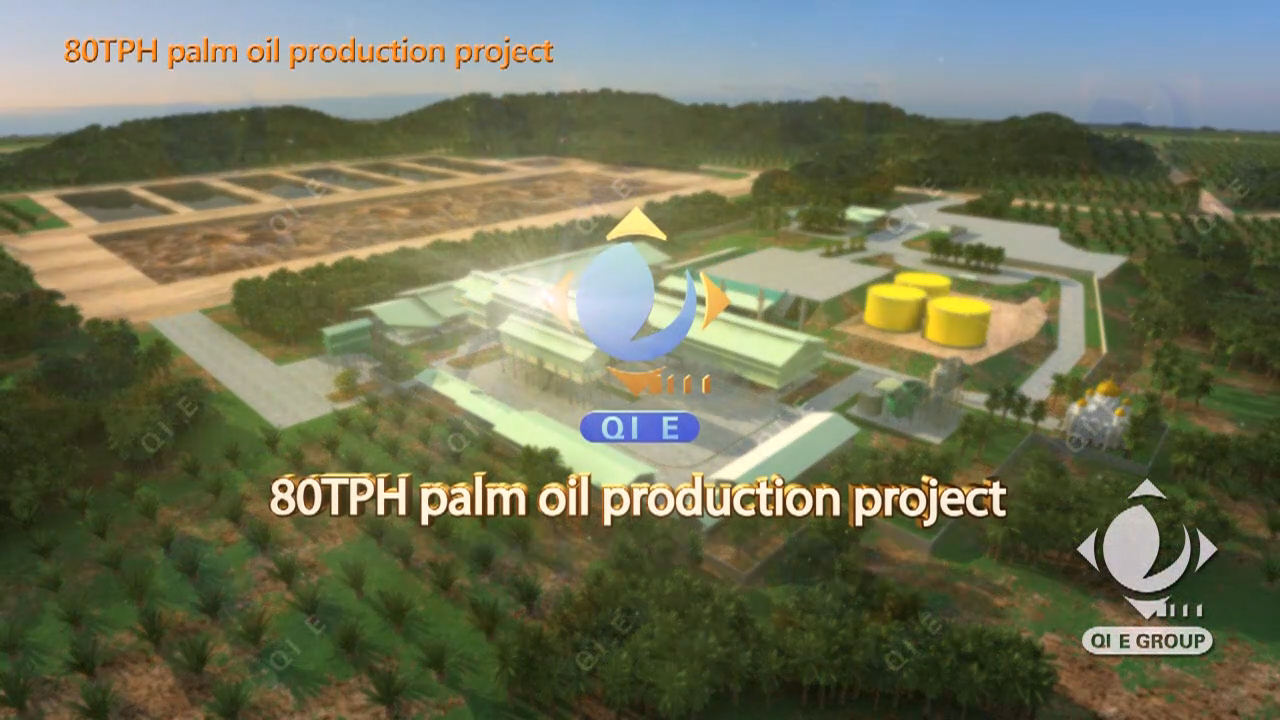
Building a palm oil factory in Southeast Asia involves a series of critical steps, starting from site selection to equipment installation, layout design, and process route decision - making. Site selection is crucial as it affects factors such as transportation, availability of raw materials, and access to labor. The right equipment selection can significantly impact the efficiency and productivity of the factory. Layout design should be optimized to ensure smooth material flow and minimize energy consumption.
When it comes to palm oil production, there are two main pressing technologies: cold pressing and hot pressing. Cold pressing is a more gentle method that retains more nutrients and natural flavors in the palm oil. However, it generally has a lower oil extraction rate. Hot pressing, on the other hand, can achieve a higher oil extraction rate but may have an impact on the quality of the oil. The choice between the two technologies can affect the product grade, whether it is first - grade, second - grade, or red oil.
The application of PLC (Programmable Logic Controller) intelligent control systems in palm oil factories has brought significant benefits. These systems can optimize energy consumption by adjusting the operation of equipment according to real - time demand. They also enable remote operation and maintenance, reducing the need for on - site personnel and improving the efficiency of troubleshooting. Studies have shown that factories using PLC systems can reduce energy consumption by up to 20%.
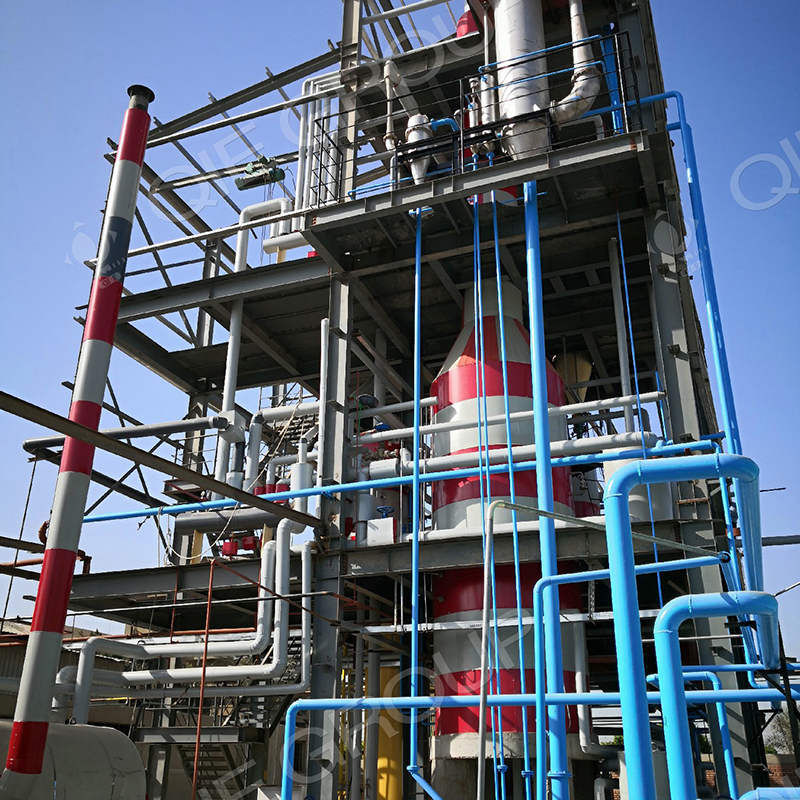
In Southeast Asia, environmental compliance is a key factor for palm oil factories to obtain local certifications. Implementing proper wastewater treatment systems and energy consumption monitoring is essential. Wastewater treatment can prevent pollution of local water sources, while energy consumption monitoring helps factories identify areas for energy saving. Factories that meet environmental standards are more likely to gain the trust of local communities and regulatory authorities.
To ensure the stable operation of the factory and long - term profit growth, an effective personnel training system is necessary. Training should cover various aspects such as equipment operation, maintenance, environmental protection, and safety. Well - trained employees can reduce the risk of equipment breakdowns, improve production efficiency, and contribute to the overall success of the factory.
By following these guidelines and best practices, investors in the Southeast Asian palm oil industry can build environmentally friendly and energy - efficient factories. These factories can not only reduce construction risks for small and medium - sized processing plants but also improve production capacity stability and achieve sustainable profit goals. If you are interested in learning more about building a palm oil factory in Southeast Asia, download our comprehensive guide to get detailed information and practical advice.





.png?x-oss-process=image/resize,h_100,m_lfit/format,webp)
.png?x-oss-process=image/resize,h_100,m_lfit/format,webp)
.png?x-oss-process=image/resize,h_100,m_lfit/format,webp)