
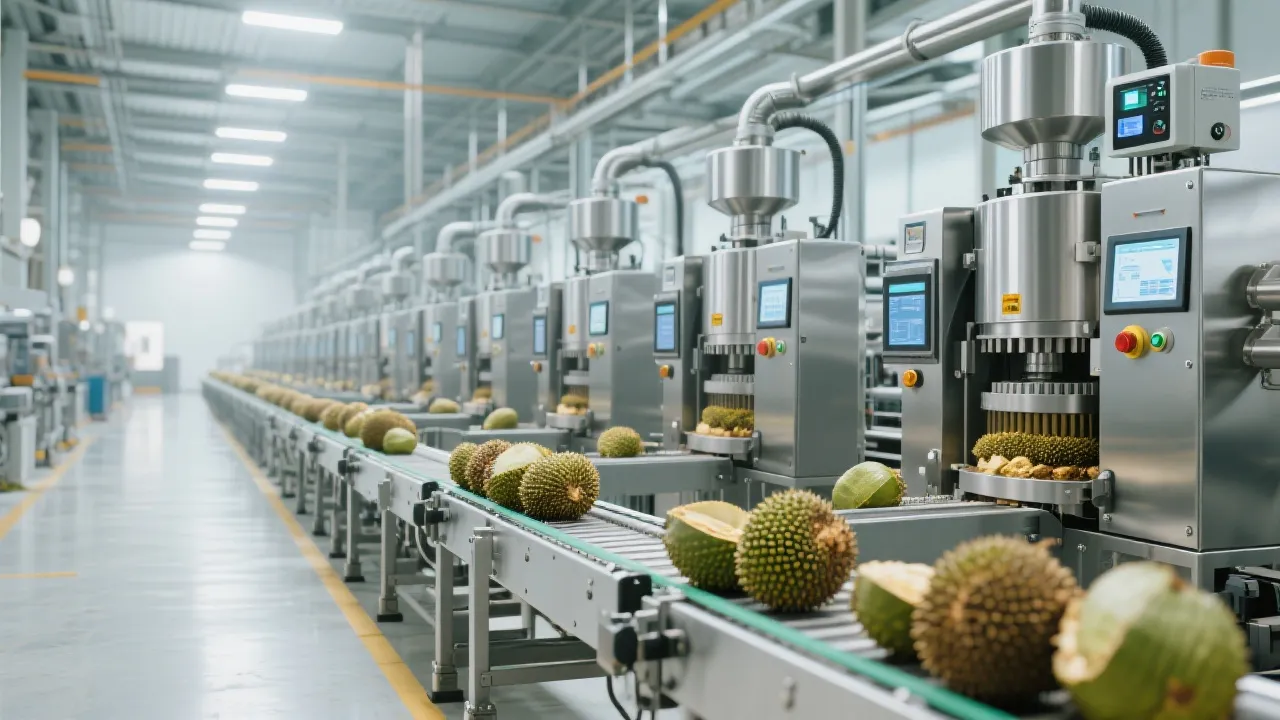
In the realm of food processing, palm oil production is a significant sector. However, traditional palm oil processing methods in food factories often face challenges such as high energy consumption and low efficiency. This article delves into the energy-saving transformation solutions in palm oil processing, with a focus on the application of intelligent PLC control systems and high-efficiency mechanical equipment.
Traditional palm oil processing, especially the traditional pressing process, has several drawbacks. For instance, the energy consumption of traditional pressing equipment can be as high as 80-100 kWh per ton of palm oil production. Moreover, the oil extraction rate is relatively low, usually around 40-50%. These issues not only increase production costs but also limit the overall efficiency of the production process. Therefore, there is an urgent need for technological upgrades in the palm oil processing industry.
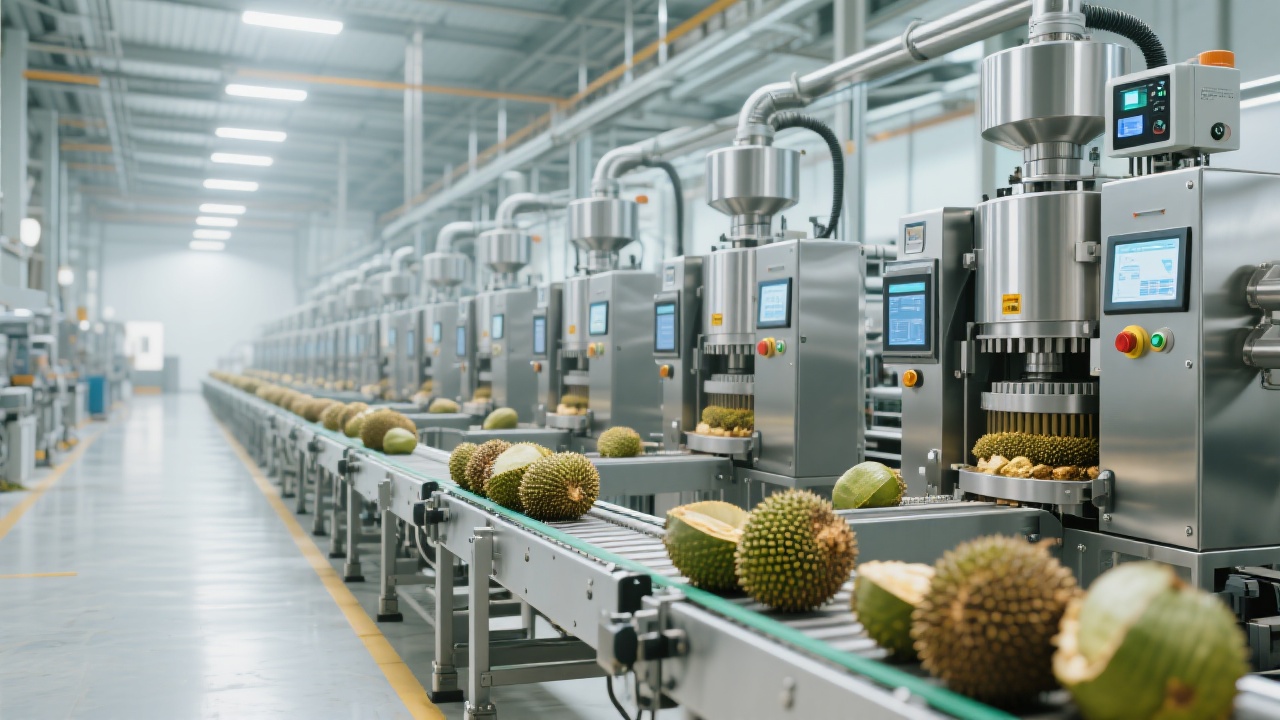
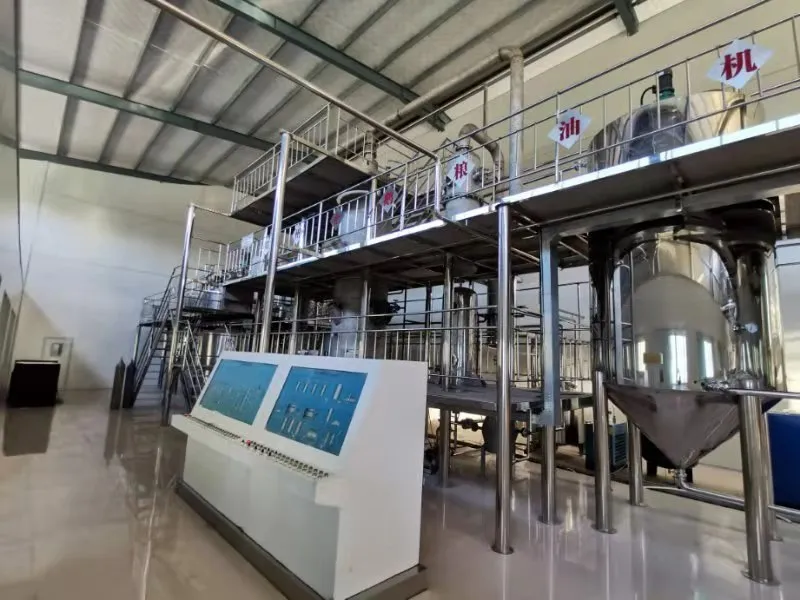
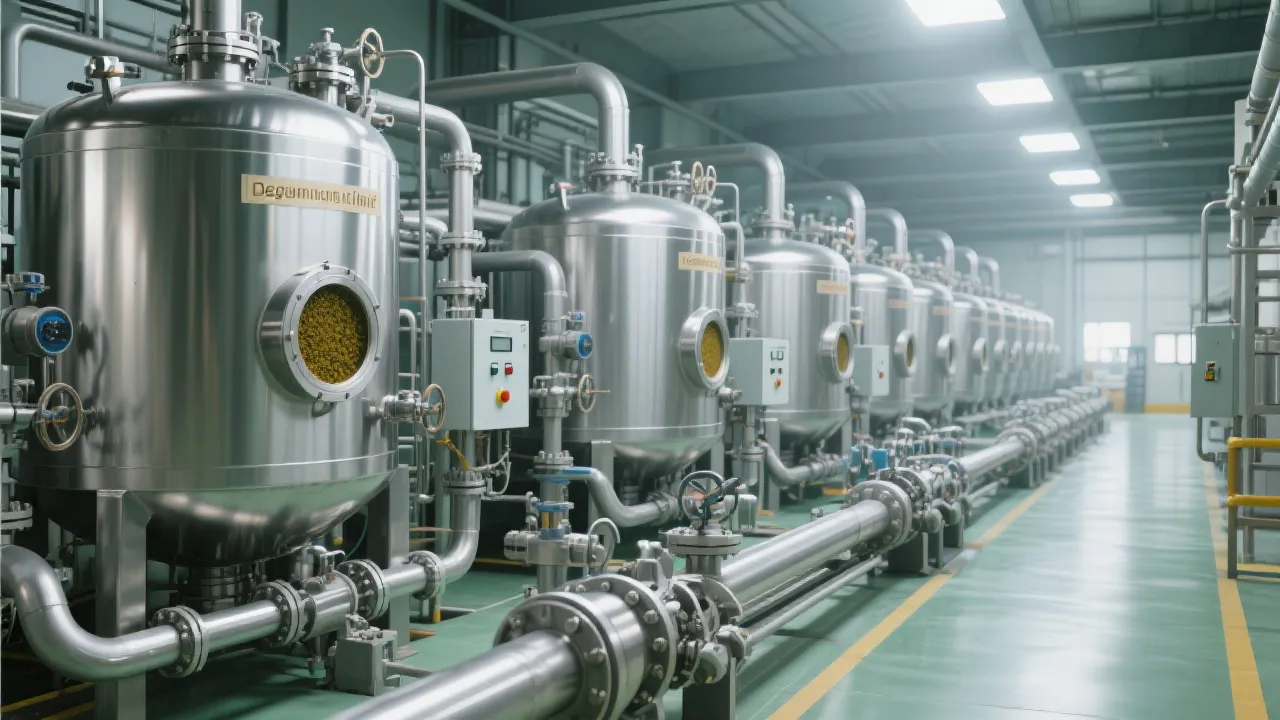
The intelligent PLC control system plays a crucial role in palm oil processing. It can precisely control the temperature, pressure, and processing time during the production process. By using this system, the energy consumption can be reduced by about 30-40%. Additionally, the high-efficiency steam heating technology can evenly heat the palm oil raw materials, which significantly improves the oil extraction rate. Studies show that with the application of this technology, the oil extraction rate can reach 60-70%.
Selecting high-quality core components is essential for energy-saving and efficiency improvement. For example, using advanced motors and pumps can reduce energy consumption by 15-20%. At the same time, optimizing the process flow can also contribute to energy-saving. By streamlining the production steps and reducing unnecessary operations, the overall production efficiency can be enhanced.

Let's take a large food processing enterprise as an example. After implementing the energy-saving transformation scheme with the intelligent PLC control system and high-efficiency steam heating technology, the enterprise reduced its energy consumption by 35% within one year. The oil extraction rate increased from 45% to 65%, which significantly improved the economic benefits. Moreover, the enterprise also extended the service life of the pressing equipment by about 20% through proper equipment maintenance.
In addition to energy-saving and efficiency improvement, quality assurance and risk control are also crucial in palm oil processing. By adhering to the ISO9001:2000 quality management system, enterprises can ensure the quality and safety of their products. This system helps in standardizing the production process, reducing the probability of product defects, and enhancing the overall competitiveness of the enterprise.
In conclusion, the energy-saving transformation in palm oil processing using intelligent mechanical equipment is a trend in the food processing industry. It not only helps enterprises achieve energy-saving and cost reduction but also improves production efficiency and product quality. If you are interested in learning more about energy-saving transformation in palm oil processing, you can get a free energy-saving diagnostic tool kit and book a one-on-one consultation with our technical experts.
 palm oil automation line
PLC control system
modular processing plant
energy efficiency in palm oil
production optimization
palm oil processing plant
southeast asia palm oil factory
cold press vs hot press
automated palm oil production
sustainable palm oil processing
palm oil production line
eco-friendly palm oil factory
cold press vs hot press
energy efficiency in palm oil mills
PLC automation system
handheld vacuum cleaner wet-dry adaptability
kitchen grease cleaning equipment
workshop metal debris vacuum cleaner
motor protection class IPX4
wet filtration system
palm oil processing line
modular packaging transport
automatic palm oil equipment
palm oil extraction refining
SE Asia agricultural processing
palm oil automation line
PLC control system
modular processing plant
energy efficiency in palm oil
production optimization
palm oil processing plant
southeast asia palm oil factory
cold press vs hot press
automated palm oil production
sustainable palm oil processing
palm oil production line
eco-friendly palm oil factory
cold press vs hot press
energy efficiency in palm oil mills
PLC automation system
handheld vacuum cleaner wet-dry adaptability
kitchen grease cleaning equipment
workshop metal debris vacuum cleaner
motor protection class IPX4
wet filtration system
palm oil processing line
modular packaging transport
automatic palm oil equipment
palm oil extraction refining
SE Asia agricultural processing









.png?x-oss-process=image/resize,h_100,m_lfit/format,webp)
.png?x-oss-process=image/resize,h_100,m_lfit/format,webp)
.png?x-oss-process=image/resize,h_100,m_lfit/format,webp)


