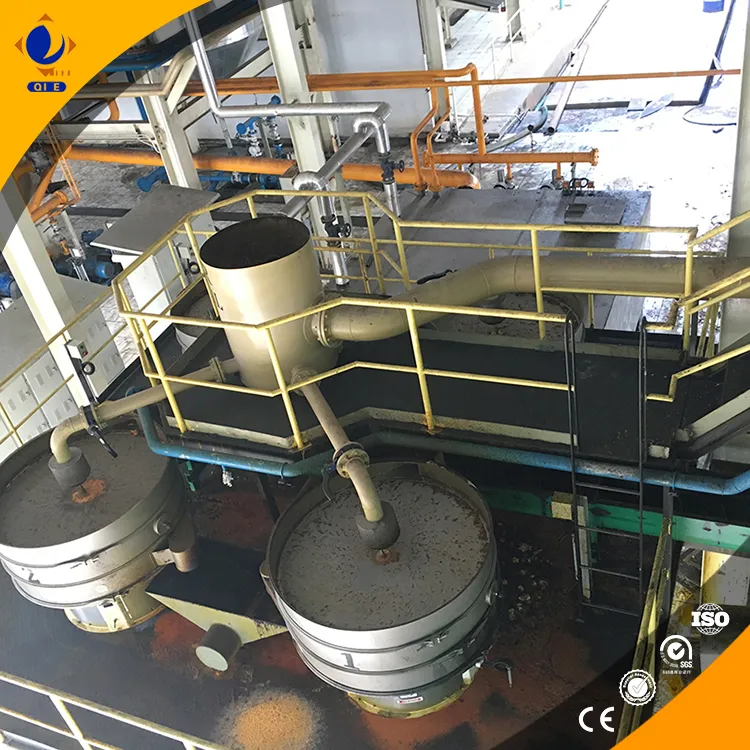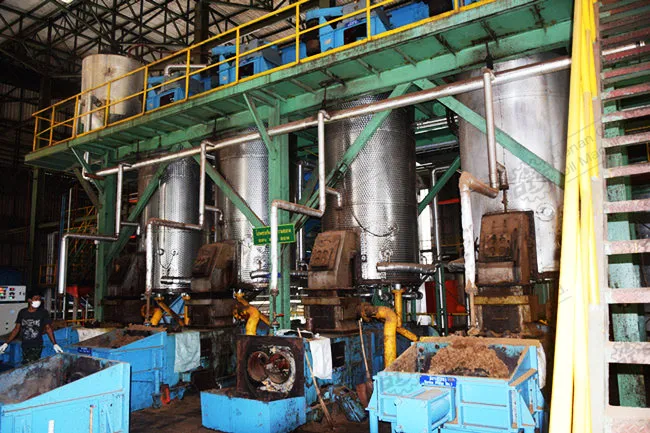
As a product manager or technical buyer in the palm oil industry, you know that one-size-fits-all solutions rarely deliver optimal results—especially when dealing with diverse regional requirements, fluctuating raw material quality, and rising energy costs. This guide breaks down how to design a customized palm oil processing line tailored to your daily capacity (10–500 tons), ensuring efficiency, compliance, and long-term profitability.
Many small-to-mid-sized processors in Indonesia, Malaysia, and Thailand face common issues:
The solution? Modular customization—not just component upgrades, but an end-to-end workflow designed around your specific needs: from pre-treatment to final packaging.
Choose between cold press (ideal for premium food-grade oil) and hot press (higher yield, better for industrial applications). For example:
You can even produce red palm oil without losing efficiency—a growing demand in health-conscious markets like Europe and North America.
Reliability starts at the core. Our systems integrate:
These aren’t just specs—they translate into real-world savings: energy consumption reduced by 25–30%, maintenance intervals extended by 50%, and fewer unplanned shutdowns.
Pre-cleaning, moisture control, and fruit sorting are often overlooked—but they directly impact yield and downstream processing time. A well-prepared feedstock can increase oil extraction efficiency by up to 12%.
We don’t just ship equipment—we ensure smooth commissioning:
This means faster ROI, less downtime, and peace of mind—even if you're new to automated palm oil production.
 automated palm oil processing equipment
palm fruit pressing technology
palm kernel degumming process
food safety sterilization in oil refining
ISO9001 quality management in oil processing
small oil mill equipment maintenance cost
palm oil processing equipment warranty
automated oil processing equipment efficiency
oil plant equipment reliability
long-term equipment performance
automated palm oil processing equipment
low energy consumption palm oil plant
palm fruit vs palm kernel processing
food safety sterilization in oil refining
ISO 9001 quality control in palm oil production
palm oil processing parameters
temperature control in oil refining
ISO9001 quality management in palm oil
small scale palm oil production
food safety in palm oil processing
Palm oil processing equipment
ISO 9001 quality management system
Palm fruit refining process
Palm kernel processing technology
Food - grade stainless steel equipment
automated palm oil processing equipment
palm fruit pressing technology
palm kernel degumming process
food safety sterilization in oil refining
ISO9001 quality management in oil processing
small oil mill equipment maintenance cost
palm oil processing equipment warranty
automated oil processing equipment efficiency
oil plant equipment reliability
long-term equipment performance
automated palm oil processing equipment
low energy consumption palm oil plant
palm fruit vs palm kernel processing
food safety sterilization in oil refining
ISO 9001 quality control in palm oil production
palm oil processing parameters
temperature control in oil refining
ISO9001 quality management in palm oil
small scale palm oil production
food safety in palm oil processing
Palm oil processing equipment
ISO 9001 quality management system
Palm fruit refining process
Palm kernel processing technology
Food - grade stainless steel equipment










.png?x-oss-process=image/resize,h_100,m_lfit/format,webp)
.png?x-oss-process=image/resize,h_100,m_lfit/format,webp)
.png?x-oss-process=image/resize,h_100,m_lfit/format,webp)