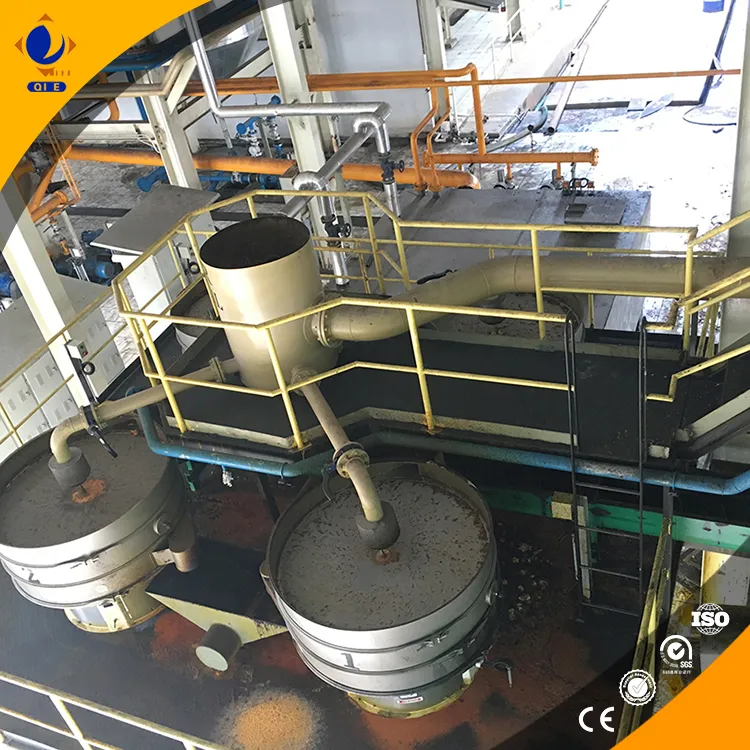
In the context of the rapid expansion of the palm oil industry in Southeast Asia, the choice of pressing technology plays a crucial role in determining the yield and quality of palm oil. This article delves into the technical differences between cold and hot pressing processes, their applicable scenarios, and their impacts on the production of different grades of palm oil, including Grade A, Grade B, and red palm oil.
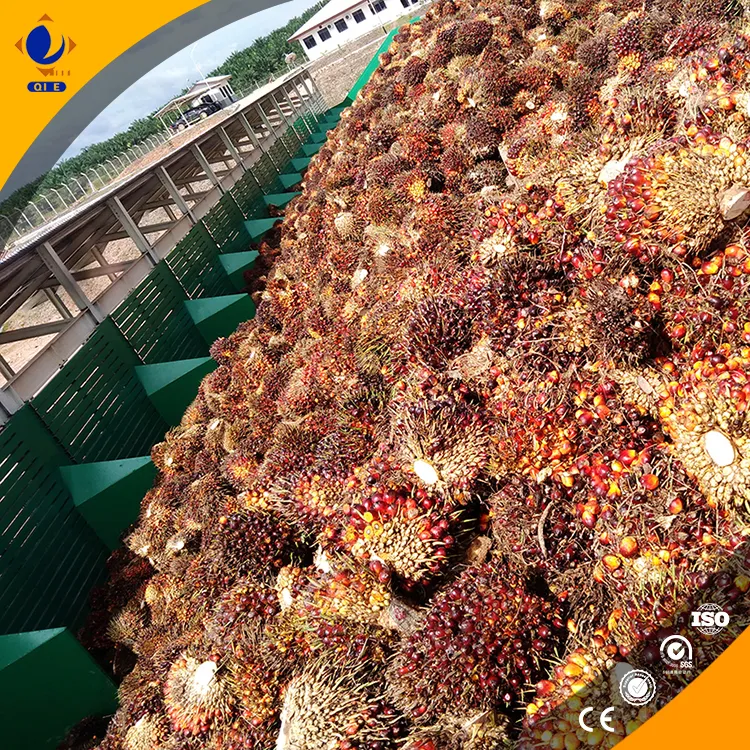
Southeast Asia boasts abundant palm oil raw materials, which gives it a natural advantage in the palm oil industry. However, the choice of pressing process directly affects the economic benefits of palm oil production. A scientific choice can significantly improve the oil yield and quality, thereby enhancing the competitiveness of the products in the market.
When it comes to oil yield, hot pressing generally has an edge. It can increase the oil yield by up to 10 - 15% compared to cold pressing. This is because the heat softens the oil - containing cells, making it easier for the oil to be released. In terms of color retention, cold pressing is superior. It can better preserve the natural color of the palm oil, which is especially important for the production of red palm oil. As for energy consumption, cold pressing consumes less energy, which is more in line with the current trend of environmental protection.
The application scenarios of the two processes also vary. Cold pressing is suitable for producing high - end, natural, and health - conscious palm oil products, while hot pressing is more commonly used in large - scale industrial production where high yield is the priority.
For the production of red palm oil, cold pressing is the ideal choice. It can retain the rich carotenoids and other nutrients in red palm oil. In contrast, for the production of Grade A edible oil, hot pressing combined with appropriate refining processes can meet the high - quality requirements of the market.
Automated control systems are essential for the efficient and stable operation of palm oil production lines. They can accurately control the temperature, pressure, and other parameters in the pressing process, reducing human - induced fluctuations. This not only improves the consistency of product quality but also increases production efficiency.
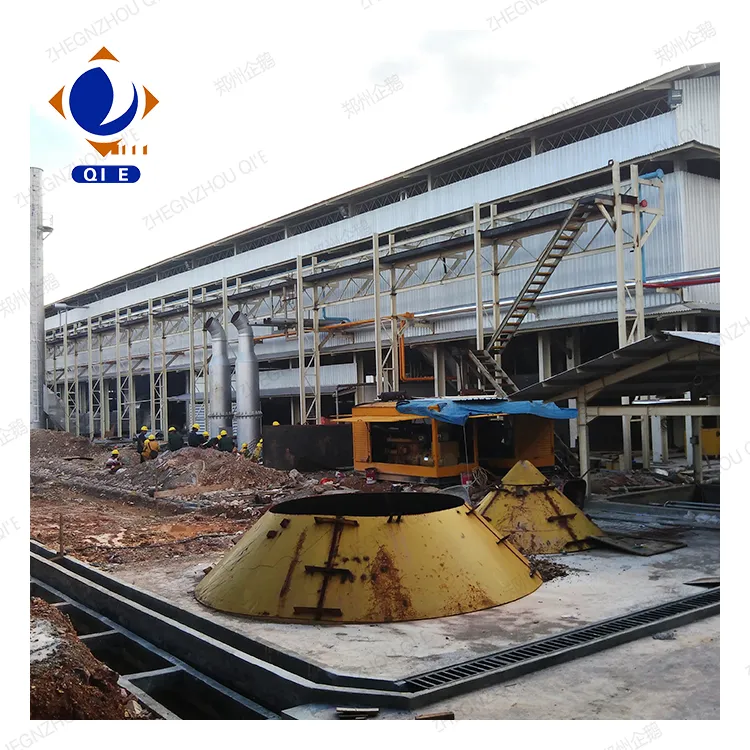
Implementing environmental and energy - saving measures can help palm oil factories obtain local certifications and reduce operating costs. For example, using energy - efficient equipment and waste treatment systems can not only reduce energy consumption but also minimize environmental pollution.
A farm - based palm oil factory optimized its production process by switching from traditional methods to a combination of hot and cold pressing. As a result, it achieved an annual production increase of 15%. This case shows that the right choice of process can bring significant economic benefits to palm oil producers.
In conclusion, whether you are a startup palm oil processing plant or looking to upgrade your existing production capacity, understanding the differences between cold and hot pressing processes is crucial. By making a scientific choice, you can reduce the risks of building a new plant, optimize the production process, and achieve long - term profitability while ensuring food - grade compliance. To help you make more informed decisions, we have prepared a detailed handbook that provides in - depth analysis and practical guidance on palm oil pressing processes. Download the handbook now to avoid common pitfalls and make the best choice for your palm oil business!
 palm oil production line core components
international brand palm oil equipment
CE certified palm oil machinery
automated palm oil processing line
customized palm oil processing solutions
automated palm oil processing
small scale palm oil equipment
palm oil sterilization process
palm oil refining system
palm oil processing maintenance
Palm oil production line customization solutions
Palm oil pressing technology
Palm oil refining process
Fully automatic palm oil equipment
Southeast Asian palm oil processing
palm oil sterilization process
food grade stainless steel equipment
automated palm oil processing
small scale palm oil plant
palm oil refining equipment
small-scale palm oil equipment
palm oil processing automation
palm oil sterilization process
palm oil equipment maintenance
automated palm oil production
palm oil production line core components
international brand palm oil equipment
CE certified palm oil machinery
automated palm oil processing line
customized palm oil processing solutions
automated palm oil processing
small scale palm oil equipment
palm oil sterilization process
palm oil refining system
palm oil processing maintenance
Palm oil production line customization solutions
Palm oil pressing technology
Palm oil refining process
Fully automatic palm oil equipment
Southeast Asian palm oil processing
palm oil sterilization process
food grade stainless steel equipment
automated palm oil processing
small scale palm oil plant
palm oil refining equipment
small-scale palm oil equipment
palm oil processing automation
palm oil sterilization process
palm oil equipment maintenance
automated palm oil production








.png?x-oss-process=image/resize,h_100,m_lfit/format,webp)
.png?x-oss-process=image/resize,h_100,m_lfit/format,webp)
.png?x-oss-process=image/resize,h_100,m_lfit/format,webp)