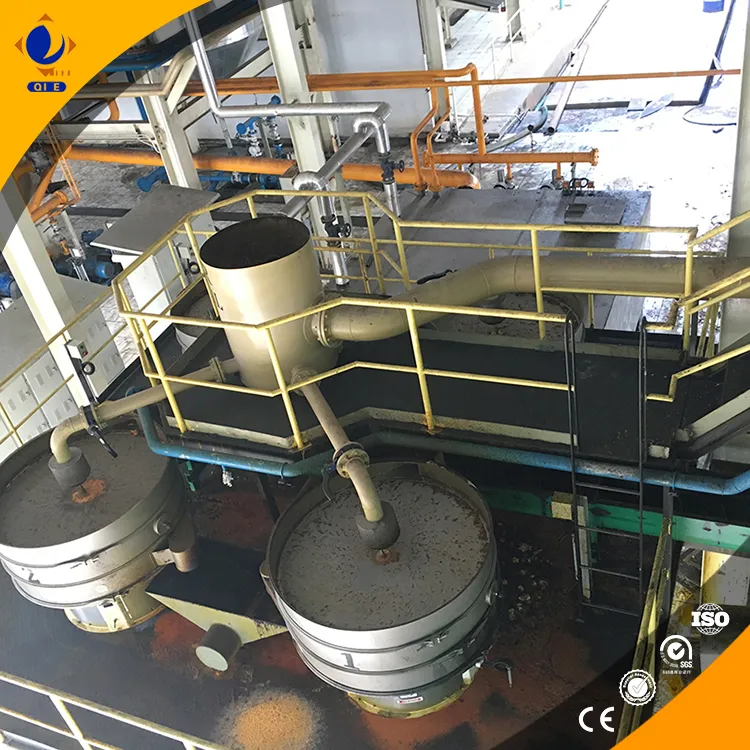
The palm oil industry in Southeast Asia has witnessed remarkable growth in recent years. According to industry reports, the region accounts for over 80% of the world's palm oil production, with an annual growth rate of approximately 5%. This growth is driven by the increasing global demand for palm oil in various sectors, including food, biofuel, and cosmetics.
Selecting the right location for a palm oil production plant is crucial. It should be close to palm oil plantations to reduce transportation costs. Additionally, factors such as access to water, electricity, and transportation infrastructure need to be considered. For example, in Malaysia, many palm oil plants are located near major ports for easy export.
The choice of equipment significantly impacts the plant's efficiency. High - quality crushers, separators, and refining equipment are essential. The layout design should ensure a smooth flow of raw materials and finished products. A well - designed plant can increase production efficiency by up to 30%.
Cold pressing and hot pressing are two main processes in palm oil production. Cold pressing is carried out at a relatively low temperature, which helps retain more nutrients in the oil. It is suitable for producing high - quality red oil. On the other hand, hot pressing can achieve higher oil yields and is more efficient for producing refined first - grade oil. Understanding the technical principles and advantages of each process is key to choosing the optimal process route.
The PLC intelligent control system plays a vital role in palm oil production automation. It can monitor and control various production parameters in real - time, ensuring stable production. With remote monitoring capabilities, operators can manage the plant from anywhere, reducing the need for on - site personnel and improving response times to production issues.
Quality control is essential at every stage of palm oil production. Key nodes include raw material inspection, production process monitoring, and finished product testing. By adhering to international quality standards, such as ISO 22000, producers can ensure the safety and quality of their products.
Environmental protection is also a significant concern. Using environmentally friendly and energy - saving technologies, such as biogas recovery systems, can reduce the plant's carbon footprint and meet regulatory requirements. These measures not only protect the environment but also contribute to long - term cost savings.
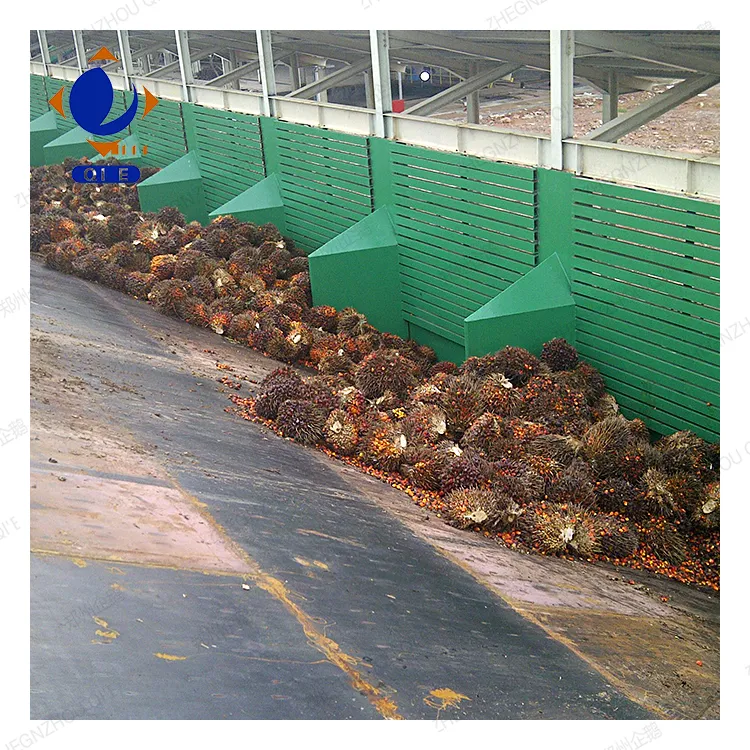
Effective raw material supply chain management is crucial for production efficiency and cost control. A stable supply of high - quality palm fruits can increase production efficiency by up to 25% and reduce production costs. Producers need to establish long - term partnerships with palm oil plantations and implement strict quality control measures at the source.
A comprehensive employee training system and clear operational standards are necessary for a stable production line. Well - trained employees can operate the equipment more efficiently, reduce errors, and improve product quality. Regular training sessions should cover equipment operation, safety procedures, and quality control.
Sustainable development is the future of the palm oil industry. By adopting environmentally friendly practices and ensuring social responsibility, palm oil producers can not only achieve long - term profitability but also contribute to a better world. This includes protecting the environment, respecting the rights of local communities, and promoting sustainable agriculture.
 palm oil sterilization process
food-grade stainless steel equipment
palm oil automation equipment
small scale palm oil processing
palm oil production efficiency
Small - scale palm oil automated processing
Palm oil processing equipment
Palm oil sterilization technology
Palm oil processing flow
Maintenance of automated palm oil equipment
palm oil processing equipment
palm fruit processing technology
palm kernel oil extraction
automated palm oil production line
food safety sterilization system
grain and oil processing equipment maintenance cost
palm oil processing equipment warranty period
automated equipment energy efficiency
long-term operational cost reduction
food-grade stainless steel processing equipment
red palm oil processing equipment
intelligent grain and oil processing
automated red palm oil system
energy-efficient red palm oil machinery
after-sales service for palm oil equipment
palm oil sterilization process
food-grade stainless steel equipment
palm oil automation equipment
small scale palm oil processing
palm oil production efficiency
Small - scale palm oil automated processing
Palm oil processing equipment
Palm oil sterilization technology
Palm oil processing flow
Maintenance of automated palm oil equipment
palm oil processing equipment
palm fruit processing technology
palm kernel oil extraction
automated palm oil production line
food safety sterilization system
grain and oil processing equipment maintenance cost
palm oil processing equipment warranty period
automated equipment energy efficiency
long-term operational cost reduction
food-grade stainless steel processing equipment
red palm oil processing equipment
intelligent grain and oil processing
automated red palm oil system
energy-efficient red palm oil machinery
after-sales service for palm oil equipment






.png?x-oss-process=image/resize,h_100,m_lfit/format,webp)
.png?x-oss-process=image/resize,h_100,m_lfit/format,webp)
.png?x-oss-process=image/resize,h_100,m_lfit/format,webp)