

When it comes to kitchen oil stain cleaning, the way the oil is processed—whether it's cold-pressed or hot-pressed—plays a significant role. Understanding these two processes and their effects on oil stain cleaning can help you choose the most effective cleaning methods. Let's dive into the details.
Cold-pressed oil is produced at a relatively low temperature, usually below 40°C. This gentle process preserves the natural nutrients and flavors of the oil. The chemical properties of cold-pressed oil remain relatively stable, with fewer chemical changes during extraction. On the other hand, hot-pressed oil is extracted at a higher temperature, often above 100°C. This process can increase the oil yield but also leads to more complex chemical reactions.
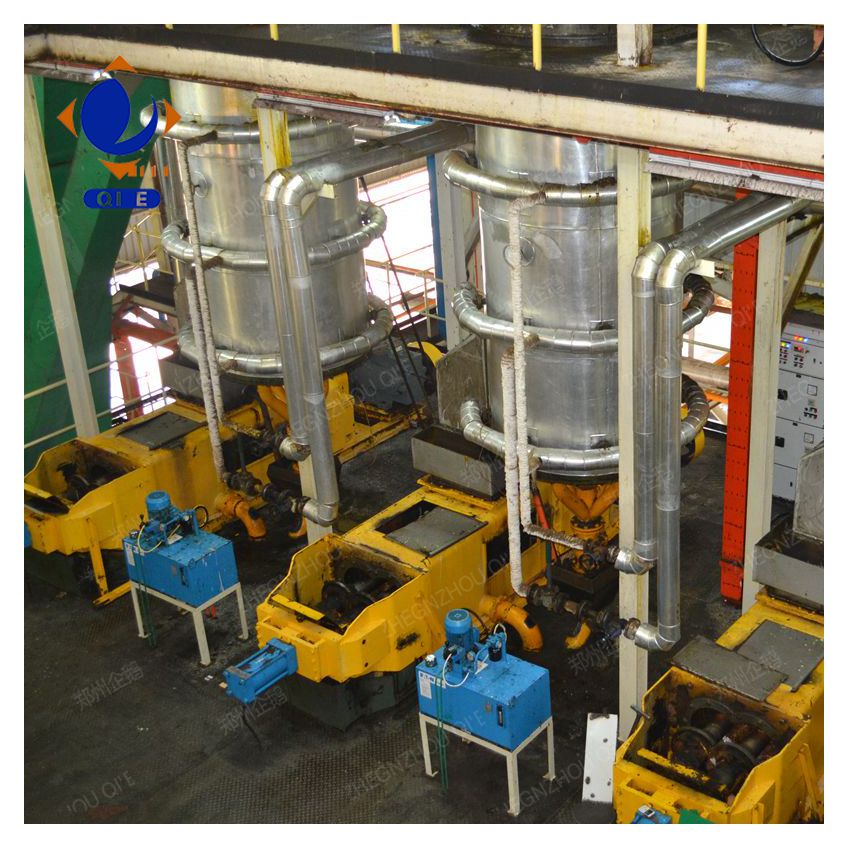
The differences in the two processes result in distinct oil stain formation mechanisms. Hot-pressed oil stains often contain coked components due to the high-temperature extraction. These coked substances adhere strongly to kitchen surfaces and are difficult to remove. In contrast, cold-pressed oil stains are mainly composed of natural oils and fats. Although they can also be stubborn, they are generally easier to break down compared to hot-pressed oil stains.
For hot-pressed oil stains, high-temperature steam cleaning or the use of special solvents can be effective solutions. High-temperature steam can soften and dissolve the coked components, making it easier to wipe them off. Special solvents are formulated to break down the complex chemical bonds in hot-pressed oil stains. You may need to use protective gloves and ensure proper ventilation when using these solvents.
When dealing with cold-pressed oil stains, bio-enzyme cleaners are your best choice. Bio-enzymes can specifically target and break down the natural oils and fats in cold-pressed oil stains. They are environmentally friendly and safe to use in the kitchen. You can simply spray the bio-enzyme cleaner on the stain, let it sit for a few minutes, and then wipe it clean.
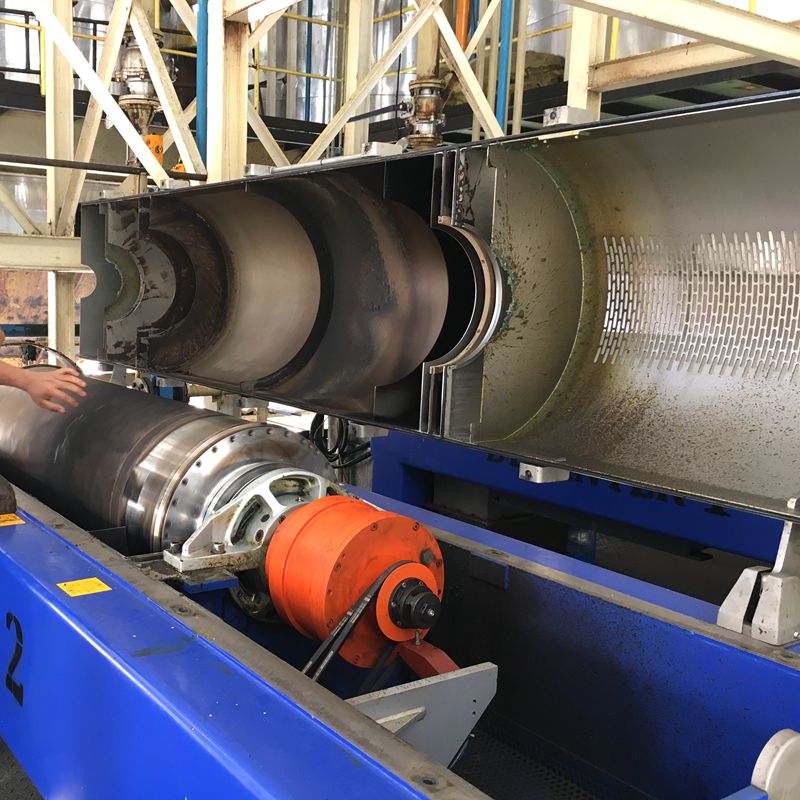
Based on industrial equipment operation data, energy-saving designs can significantly reduce the risk of oil stain adhesion. For example, in some advanced palm oil production lines, the steam consumption is less than 300kg/t of oil. This energy-saving feature not only reduces production costs but also minimizes the high-temperature environment that can lead to more stubborn oil stains.
Regular cleaning is essential to prevent oil stains from building up. You can establish a daily cleaning routine, such as wiping down the stovetop and countertops after each use. Using corrosion-resistant materials in your kitchen equipment can also help reduce the adhesion of oil stains. In addition, some modern kitchen systems offer remote technical support, which allows you to troubleshoot and maintain your equipment more efficiently.
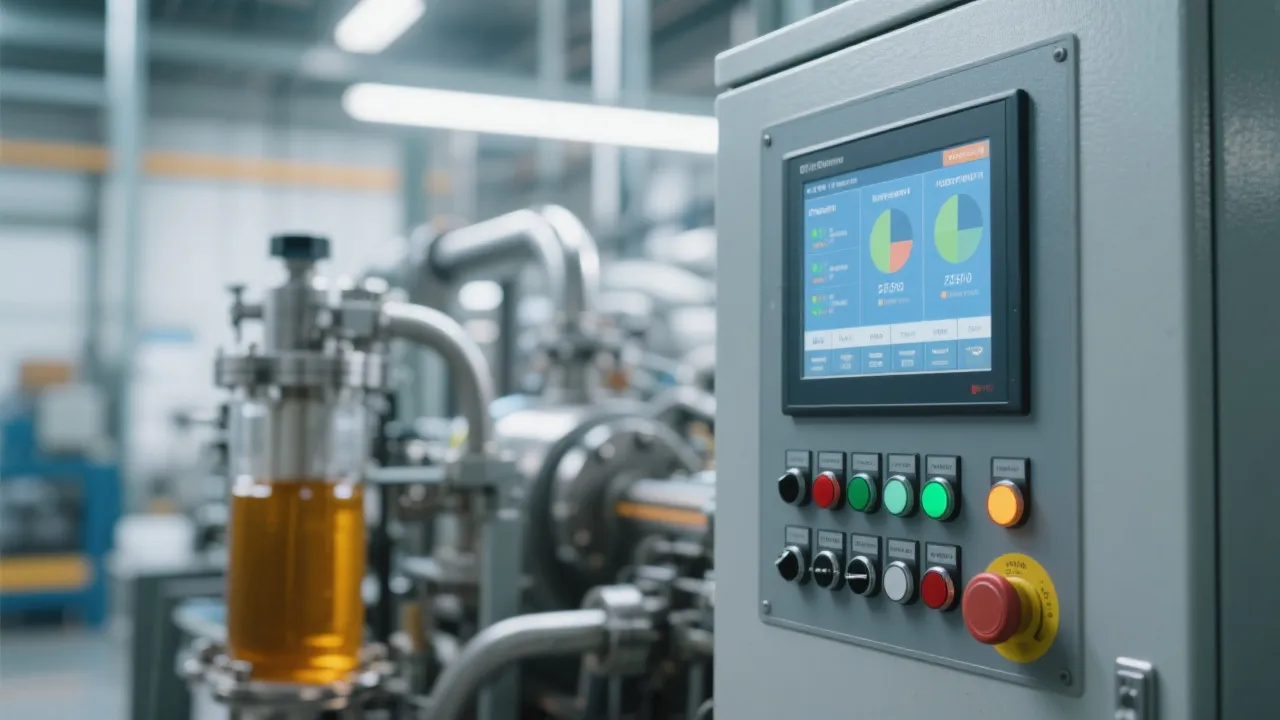
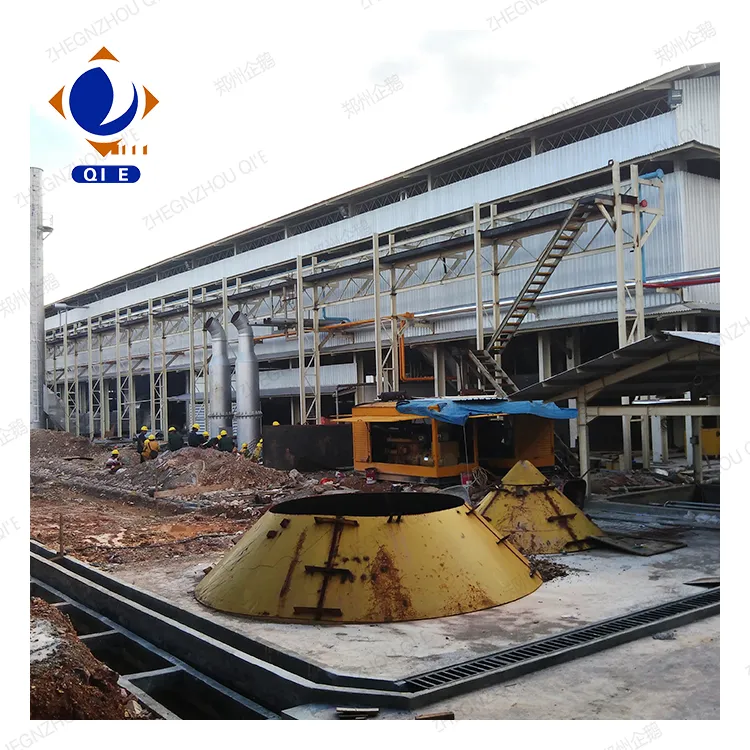
QIE Group automatic palm oil cold and hot-pressed production line comes with many advantages. It is equipped with a PLC intelligent control system, which can precisely control the production process, ensuring stable oil quality and reducing the generation of oil stains from the source. Moreover, the production line offers a three-year warranty for core components, giving you peace of mind.
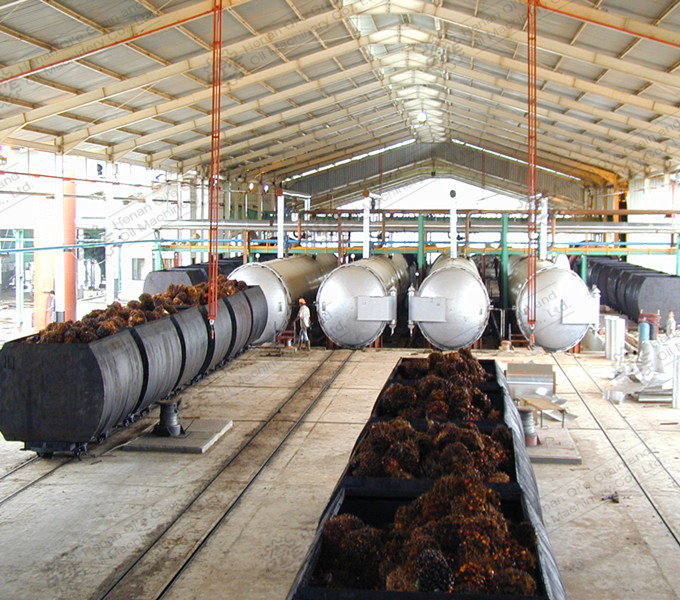
Your kitchen is which kind of oil stain? Whether you are running a commercial kitchen or a home kitchen, choosing the right cleaning method and equipment can significantly improve your cleaning efficiency and extend the service life of your equipment. Don't miss out on QIE Group systematic solution to reduce oil stain problems!

 palm oil processing equipment
small-scale palm oil production line
deacidification process optimization
decolorization techniques
deodorization parameters
Southeast Asian palm oil production
Cold pressing technology
Automated production line
Environmental protection and energy saving
Wastewater treatment system
palm oil processing parameters
temperature control in oil refining
ISO9001 quality management in palm oil
small scale palm oil production
food safety in palm oil processing
Small and medium - sized grain and oil processing equipment maintenance cost
Palm oil processing equipment warranty period
Energy - saving advantages of automated equipment
Global after - sales service network
Long - term operational cost of grain and oil processing equipment
palm oil processing line
automated palm oil equipment
palm oil refining process
modular installation
red palm oil production
palm oil processing equipment
small-scale palm oil production line
deacidification process optimization
decolorization techniques
deodorization parameters
Southeast Asian palm oil production
Cold pressing technology
Automated production line
Environmental protection and energy saving
Wastewater treatment system
palm oil processing parameters
temperature control in oil refining
ISO9001 quality management in palm oil
small scale palm oil production
food safety in palm oil processing
Small and medium - sized grain and oil processing equipment maintenance cost
Palm oil processing equipment warranty period
Energy - saving advantages of automated equipment
Global after - sales service network
Long - term operational cost of grain and oil processing equipment
palm oil processing line
automated palm oil equipment
palm oil refining process
modular installation
red palm oil production









.png?x-oss-process=image/resize,h_100,m_lfit/format,webp)
.png?x-oss-process=image/resize,h_100,m_lfit/format,webp)
.png?x-oss-process=image/resize,h_100,m_lfit/format,webp)


