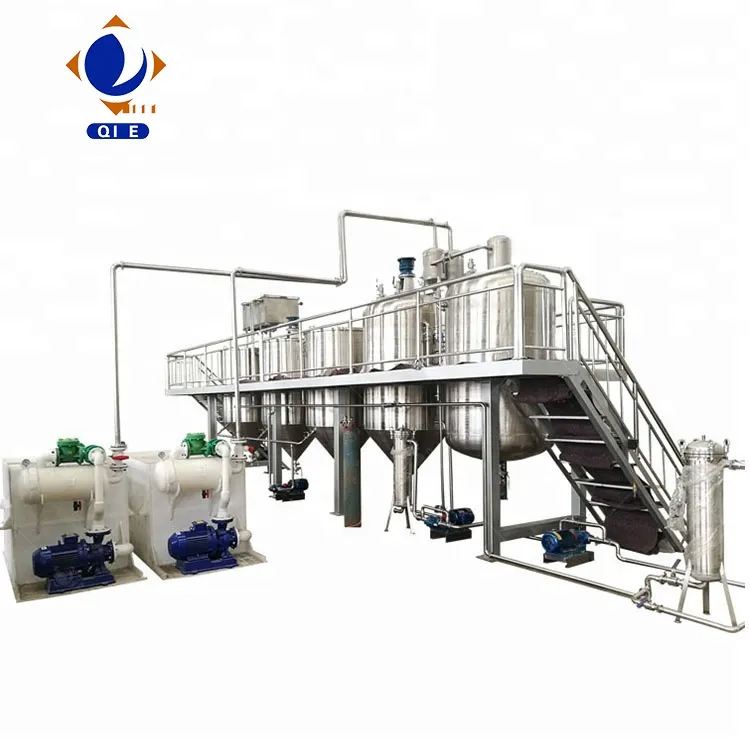
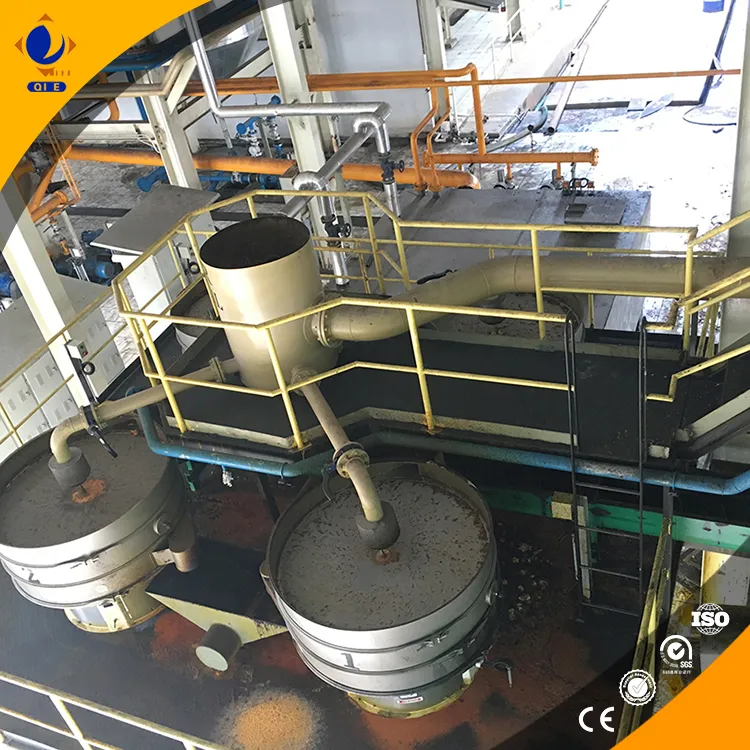
Southeast Asia remains the global hub for palm oil production, accounting for over 85% of worldwide output. In this fiercely competitive market, optimizing production lines through advanced pressing technologies directly impacts both operational efficiency and product quality. This article offers a comprehensive examination of the critical factors in developing palm oil factories in the region, with particular focus on the technical advantages of combined cold and hot pressing processes.
Establishing a palm oil plant begins with selecting an optimal location. Proximity to raw material plantations reduces logistics costs substantially, cutting transport expenses by up to 25%. Sites with reliable access to utilities such as water and electricity and favorable regulatory frameworks facilitate smoother operations and compliance. Additionally, regions offering lower labor costs yet skilled workforce availability support balanced expenditure and high productivity.
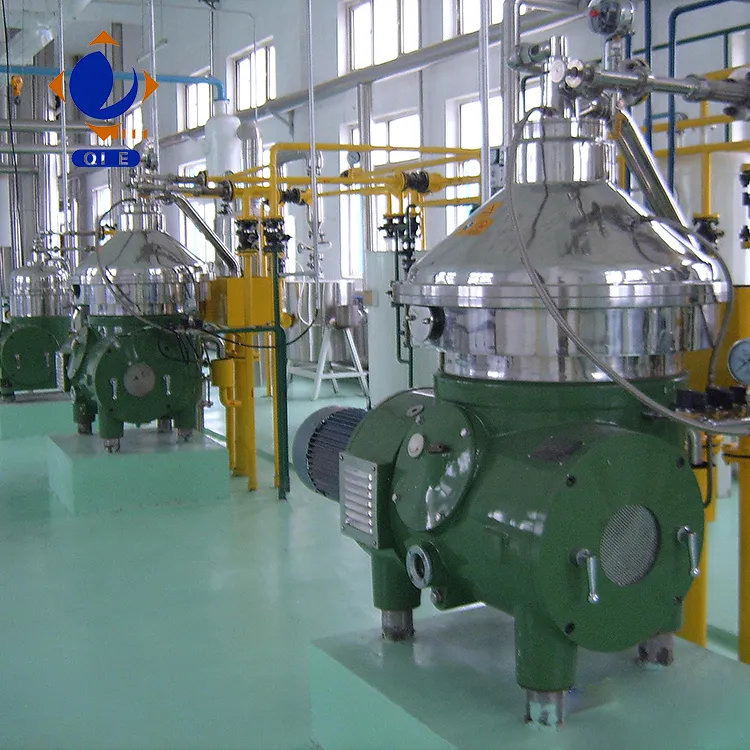
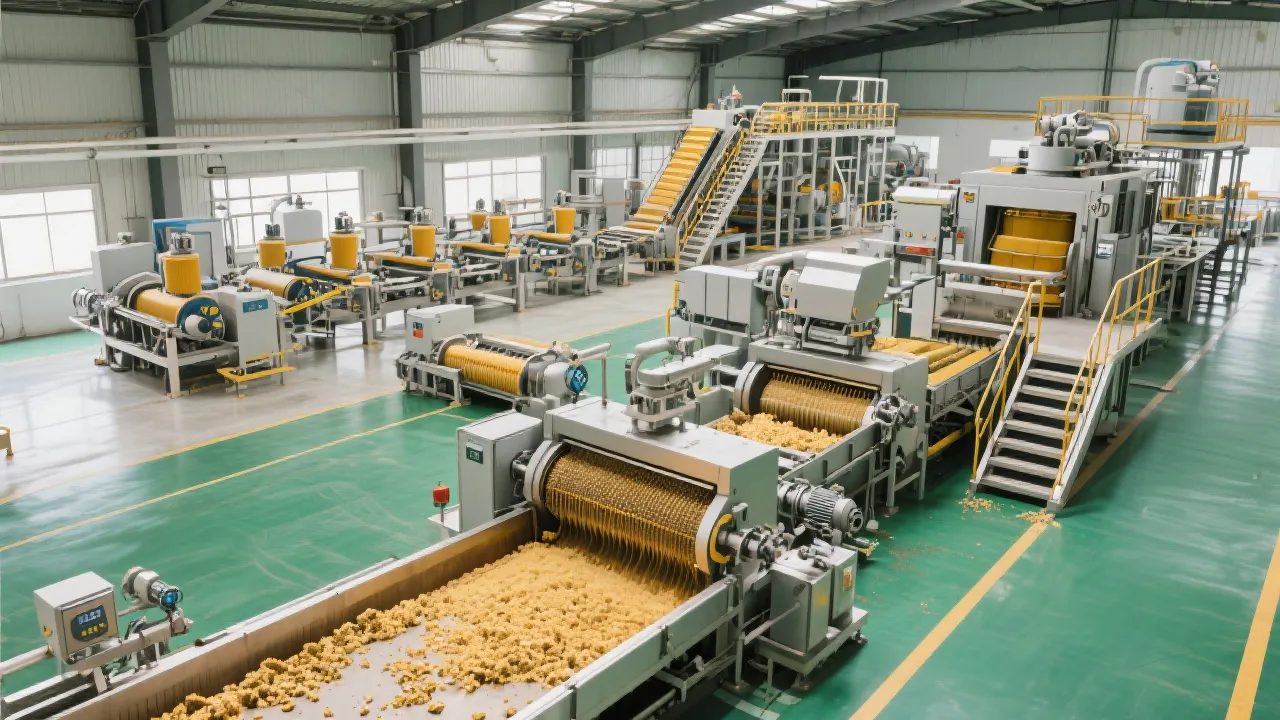
The backbone of any palm oil factory is its equipment. Selecting presses, sterilizers, clarifiers, and dryers that offer durability and ease of maintenance ensures long-term operational stability. Layout designs that integrate material flow seamlessly reduce handling time by an estimated 15-20%, thereby improving throughput. Moreover, incorporating modular units allows scalability, accommodating future production expansion without major disruptions.
Cold pressing preserves palm oil’s nutritional qualities by avoiding high temperatures, resulting in superior carotene and vitamin E retention. However, cold pressing often yields a slightly lower oil extraction rate, averaging around 18-20%. Hot pressing complements this by applying heat (approximately 80–90°C), enhancing yield to 22-24% while facilitating efficient separation of impurities.
Combining both techniques—initial cold pressing for premium-grade oils followed by hot pressing for secondary extraction—optimizes overall output while maintaining high-quality product tiers including Grade 1, Grade 2 palm oil, and red palm oil. This integrated approach supports stable operation, allowing factories to meet diverse market demands effectively.
Incorporating automation through PLC-based control systems enables real-time monitoring and precision adjustments of pressing parameters such as temperature, pressure, and rotation speed. Data-driven automation can boost production efficiency by 10-15% and minimize human error, ensuring consistent oil quality batch after batch. Remote diagnostics enhance maintenance scheduling, reducing downtime by an estimated 20%.
Compliance with environmental standards is increasingly vital. Integrating wastewater treatment units and adopting energy-saving heat exchangers reduce the ecological footprint. Factories employing these systems can cut water consumption per ton of oil by up to 30%, aligning both with local regulations and global sustainability trends.
Quality control involves multi-point sampling and laboratory analysis, tracking acidity, moisture content, and impurity levels. Implementing rigorous SOPs backed by ISO certifications further builds buyer confidence and supports export compliance.
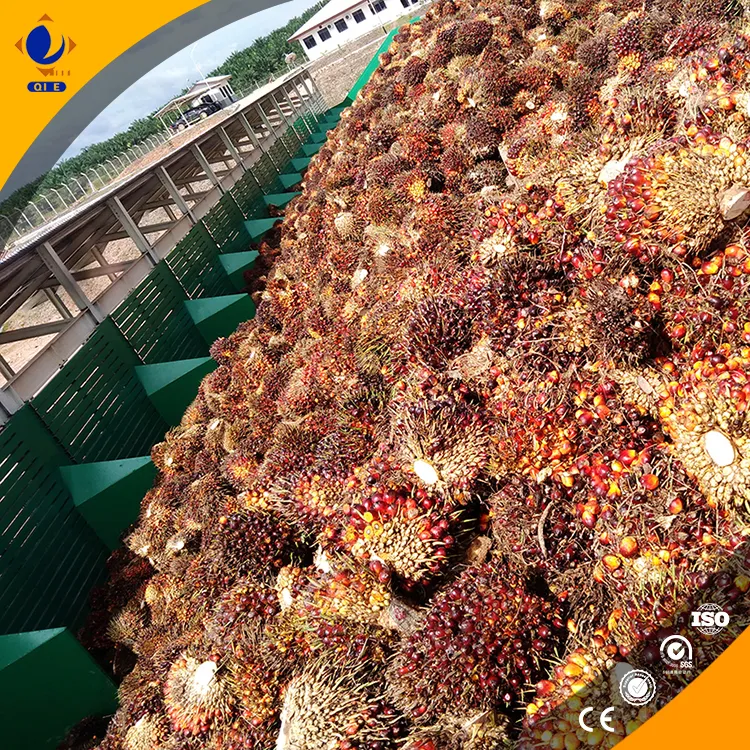
Efficient coordination with upstream fresh fruit bunch (FFB) suppliers ensures raw material freshness, influencing oil yield and quality significantly. Digital inventory management tools help maintain just-in-time procurement, reducing storage losses.
Structured workforce training programs focusing on operational procedures, safety, and quality monitoring cultivate a skilled, motivated team, which is fundamental for sustaining factory performance. Regular refresher courses and skill assessments should be embedded into the operational calendar.
Explore Advanced Palm Oil Production Solutions small oil mill equipment maintenance cost
palm oil processing equipment warranty
automated oil processing equipment efficiency
oil plant equipment reliability
long-term equipment performance
palm oil processing equipment
advanced sterilization technology
food-grade stainless steel equipment
ISO9001 certification
palm fruit and kernel refining
palm oil processing parameters
temperature control in oil refining
ISO9001 quality management in palm oil
small scale palm oil production
food safety in palm oil processing
Palm oil production line customized solutions
ISO9001 quality management system
Fully automatic palm oil equipment
Integrated pressing
extraction and refining
Core component warranty services
custom palm oil production line
automated palm oil equipment
palm oil refining technology
Southeast Asia palm oil processing
PLC control system
small oil mill equipment maintenance cost
palm oil processing equipment warranty
automated oil processing equipment efficiency
oil plant equipment reliability
long-term equipment performance
palm oil processing equipment
advanced sterilization technology
food-grade stainless steel equipment
ISO9001 certification
palm fruit and kernel refining
palm oil processing parameters
temperature control in oil refining
ISO9001 quality management in palm oil
small scale palm oil production
food safety in palm oil processing
Palm oil production line customized solutions
ISO9001 quality management system
Fully automatic palm oil equipment
Integrated pressing
extraction and refining
Core component warranty services
custom palm oil production line
automated palm oil equipment
palm oil refining technology
Southeast Asia palm oil processing
PLC control system









.png?x-oss-process=image/resize,h_100,m_lfit/format,webp)
.png?x-oss-process=image/resize,h_100,m_lfit/format,webp)
.png?x-oss-process=image/resize,h_100,m_lfit/format,webp)