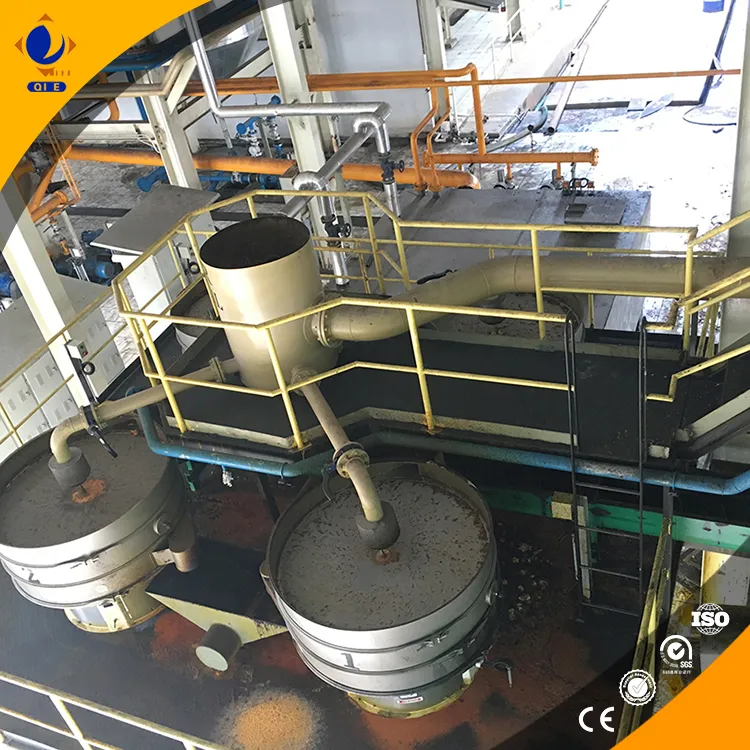
As palm oil production expands rapidly across Southeast Asia—driven by rising global demand and favorable climate conditions—producers are increasingly focused on optimizing both yield and quality. A key decision point? Whether to adopt cold pressing or hot pressing technology.
Cold pressing retains natural carotenoids and antioxidants, making it ideal for premium red palm oil used in food, cosmetics, and supplements. On average, this method yields about 17–19% oil from fresh fruit bunches (FFB), with minimal thermal degradation of nutrients. In contrast, hot pressing (typically at 80–90°C) boosts extraction efficiency to 22–25%, producing refined edible oils that meet international standards like ISO 5554.
For small-to-mid-scale processors aiming to enter high-value markets such as Europe or North America, cold press offers a competitive edge—not just in taste and nutrition, but also in brand positioning. However, if volume and cost-efficiency are top priorities, hot pressing remains the preferred choice for bulk commodity-grade oil.
Modern palm oil plants now rely on PLC-based control systems to ensure consistent performance. These systems reduce manual intervention by up to 60%, improve real-time monitoring of temperature, pressure, and moisture levels, and minimize downtime due to human error. One case study from Indonesia showed a 15% increase in daily throughput after integrating an automated system into a 5-ton/hour facility.
Modular equipment design further simplifies installation—especially useful for remote farms or new startups lacking infrastructure. With pre-engineered units for crushing, pressing, and filtration, setup time can be cut from weeks to days.
Regulatory compliance is tightening in Malaysia, Indonesia, and Thailand. Implementing closed-loop water recycling systems can reduce wastewater discharge by over 70%. Energy-efficient motors and heat recovery units cut power consumption by up to 20%, directly improving margins.
Quality control checkpoints—such as free fatty acid (FFA) testing post-pressing—are critical for maintaining consistency. Automated sensors allow for immediate adjustments, ensuring every batch meets customer specifications before packaging.
A pilot project in Vietnam demonstrated how switching from traditional mechanical pressing to a semi-automated hot press increased annual output from 1,200 to 1,800 metric tons—with no additional labor costs. Similarly, a Thai cooperative using cold press saw a 30% price premium when selling directly to EU buyers who value “unrefined” certification.
These outcomes aren’t accidental—they result from strategic planning, skilled training, and local support. Operators must understand not only how to run the machines, but also how to maintain them and interpret data. That’s where ongoing technical education becomes a silent profit driver.
Ready to optimize your palm oil process?
Download Our Free Troubleshooting Guide for Palm Oil Equipment




.png?x-oss-process=image/resize,h_100,m_lfit/format,webp)
.png?x-oss-process=image/resize,h_100,m_lfit/format,webp)
.png?x-oss-process=image/resize,h_100,m_lfit/format,webp)