

In the field of oil processing, understanding the principles of cold and hot pressing processes is crucial for both oil production and kitchen cleaning. This article delves deep into these two processes, exploring their effects on the formation of kitchen oil stains and corresponding cleaning strategies.
Cold pressing is a process that extracts oil at a relatively low temperature, usually below 60°C. This method preserves the natural nutrients and flavors of the oil. In contrast, hot pressing involves heating the oil - bearing materials to a higher temperature, typically between 100 - 120°C, which can increase the oil yield but may also cause some chemical changes in the oil.
These different processes lead to distinct characteristics of oil residues. Cold - pressed oil residues are often more viscous and contain more natural substances, while hot - pressed oil residues are more likely to form hard - to - clean carbonized deposits due to the high - temperature treatment.
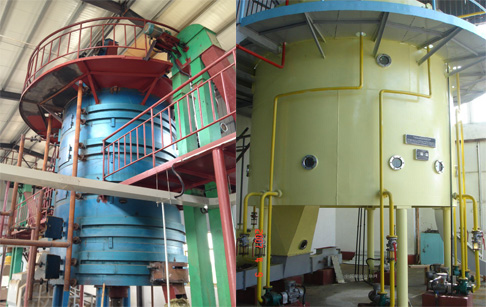
For hot - pressed oil stains, high - temperature steam cleaning is an effective method. Steam can penetrate the carbonized deposits and loosen them, making it easier to remove. Special solvents can also be used in combination with steam cleaning to enhance the cleaning effect. According to industry experience, using steam at a temperature of around 150 - 180°C can achieve good results in removing hot - pressed oil stains.
Cold - pressed oil stains, on the other hand, are more suitable for cleaning with bio - enzyme cleaners. Bio - enzymes can break down the organic components in the oil stains, making them easier to wash away. In a test conducted in a commercial kitchen, using a bio - enzyme cleaner with an activity level of 5000 - 8000 U/ml can effectively clean cold - pressed oil stains within 15 - 20 minutes.
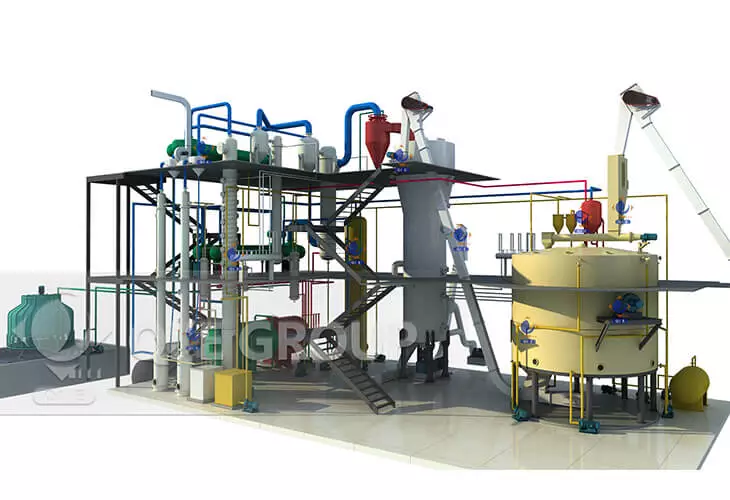
In industrial settings, controlling steam consumption is an important aspect of energy - saving. By adjusting the steam pressure and flow rate, it is possible to reduce steam consumption by about 20 - 30% without sacrificing cleaning efficiency. For example, in a large - scale oil processing plant, optimizing the steam system can save a significant amount of energy costs.
When it comes to equipment maintenance, choosing corrosion - resistant materials is crucial. Stainless steel and some special alloys are commonly used in oil processing equipment to prevent corrosion caused by oil and cleaning agents. Regular inspection and maintenance can extend the service life of the equipment by 3 - 5 years.
In kitchen and catering settings, simple and effective cleaning methods are highly desired. By applying the knowledge of cold and hot pressing processes, it is possible to develop more targeted cleaning plans. For example, using a combination of steam and bio - enzyme cleaners can achieve better cleaning results in a shorter time.
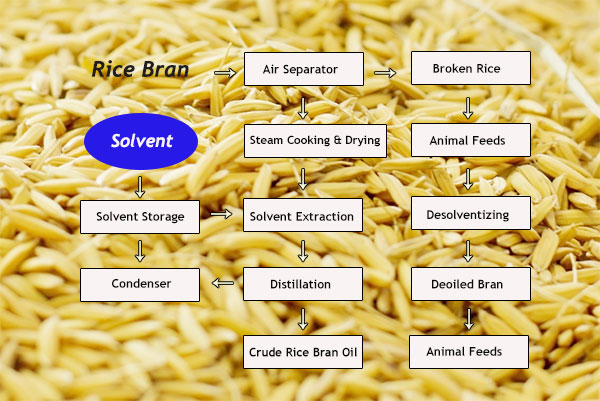
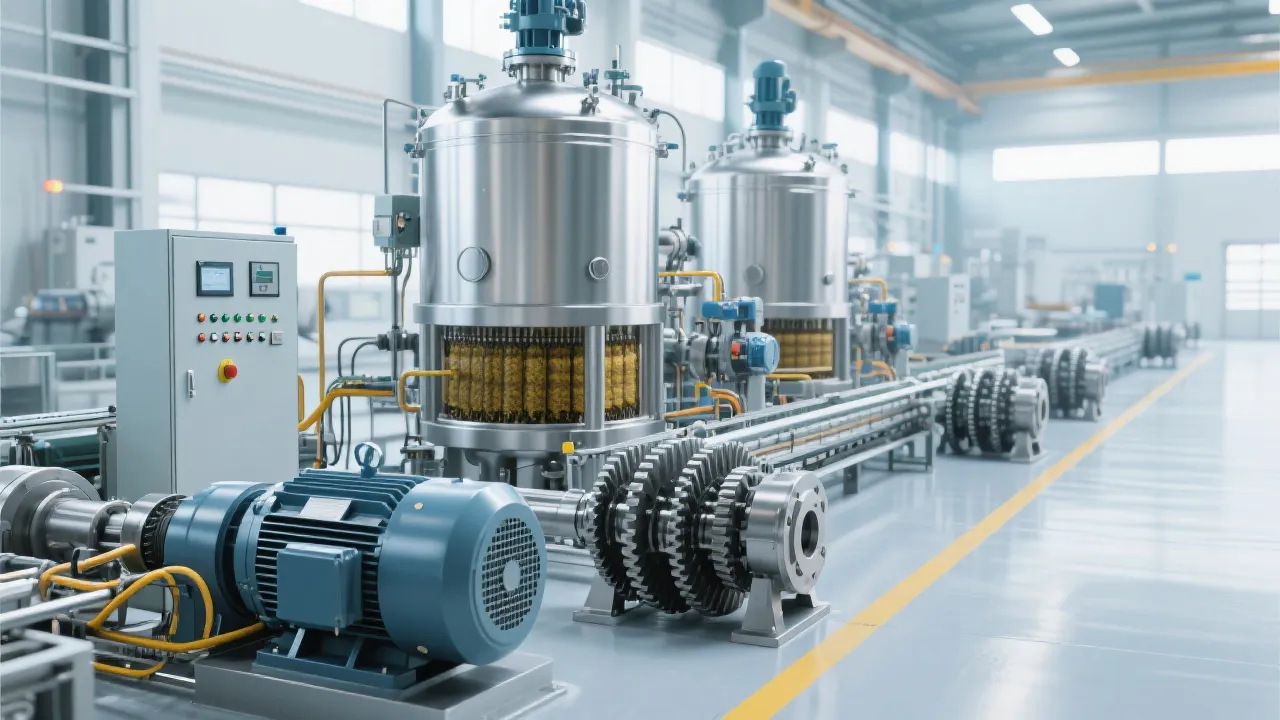
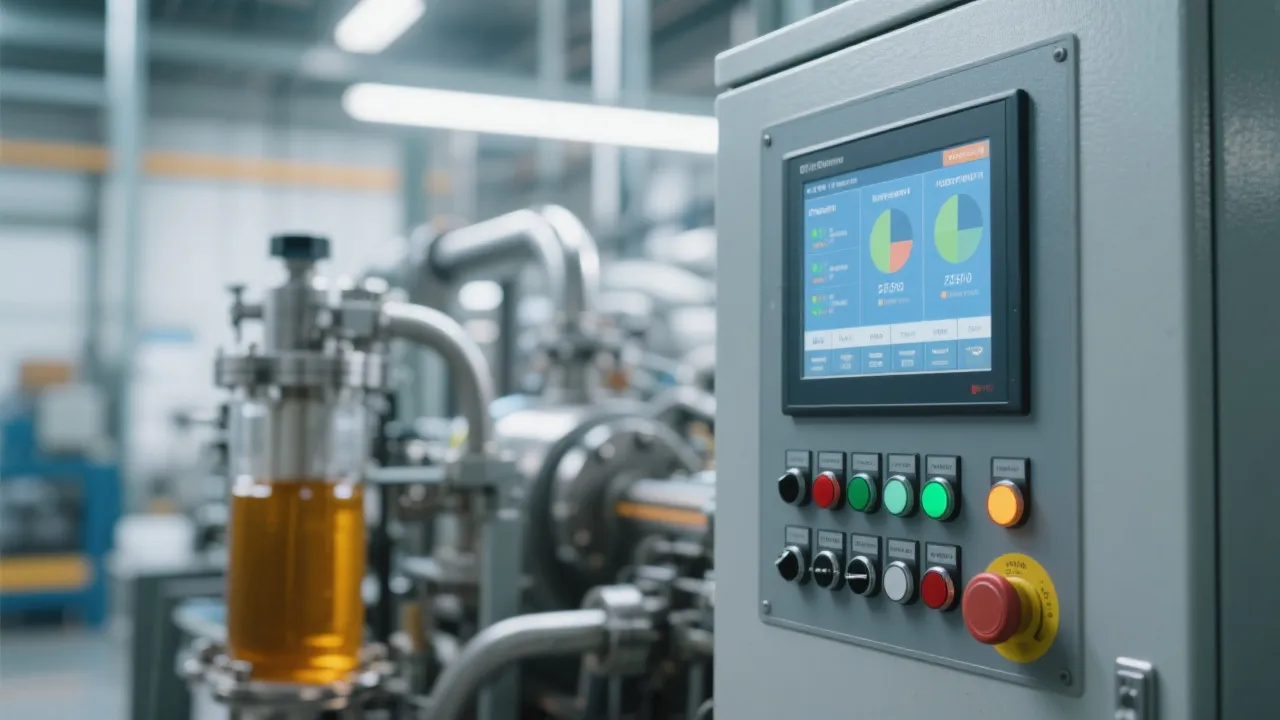
Zhengzhou Qiee Group offers a 20 - ton/day fully automatic palm oil cold and hot pressing production line. This production line features intelligent control systems, such as PLC (Programmable Logic Controller), which can precisely control the temperature, pressure, and flow rate during the oil - pressing process. It also provides remote technical support, ensuring that customers can get timely assistance in case of any problems.
If you are looking for a reliable and efficient oil processing solution, don't miss out on Zhengzhou Qiee Group's 20 - ton/day fully automatic palm oil cold and hot pressing production line. Click here to learn more.
 Small and medium-sized grain and oil processing equipment maintenance cost
Palm oil processing equipment warranty period
Energy-saving advantages of automated equipment
Grain and oil mill equipment downtime loss
Equipment core component warranty
palm oil production line
Southeast Asian palm oil factory
hot and cold pressing technology
automated palm oil equipment
palm oil production troubleshooting
palm oil mill wastewater treatment
energy monitoring system
cold press vs hot press
automated palm oil processing
sustainable palm oil production
palm oil processing line
automated palm oil equipment
palm oil refining process
modular installation
red palm oil production
palm oil production automation
PLC intelligent control system
small-scale processing plant automation
commissioning time optimization
energy-saving techniques
Small and medium-sized grain and oil processing equipment maintenance cost
Palm oil processing equipment warranty period
Energy-saving advantages of automated equipment
Grain and oil mill equipment downtime loss
Equipment core component warranty
palm oil production line
Southeast Asian palm oil factory
hot and cold pressing technology
automated palm oil equipment
palm oil production troubleshooting
palm oil mill wastewater treatment
energy monitoring system
cold press vs hot press
automated palm oil processing
sustainable palm oil production
palm oil processing line
automated palm oil equipment
palm oil refining process
modular installation
red palm oil production
palm oil production automation
PLC intelligent control system
small-scale processing plant automation
commissioning time optimization
energy-saving techniques









.png?x-oss-process=image/resize,h_100,m_lfit/format,webp)
.png?x-oss-process=image/resize,h_100,m_lfit/format,webp)
.png?x-oss-process=image/resize,h_100,m_lfit/format,webp)


