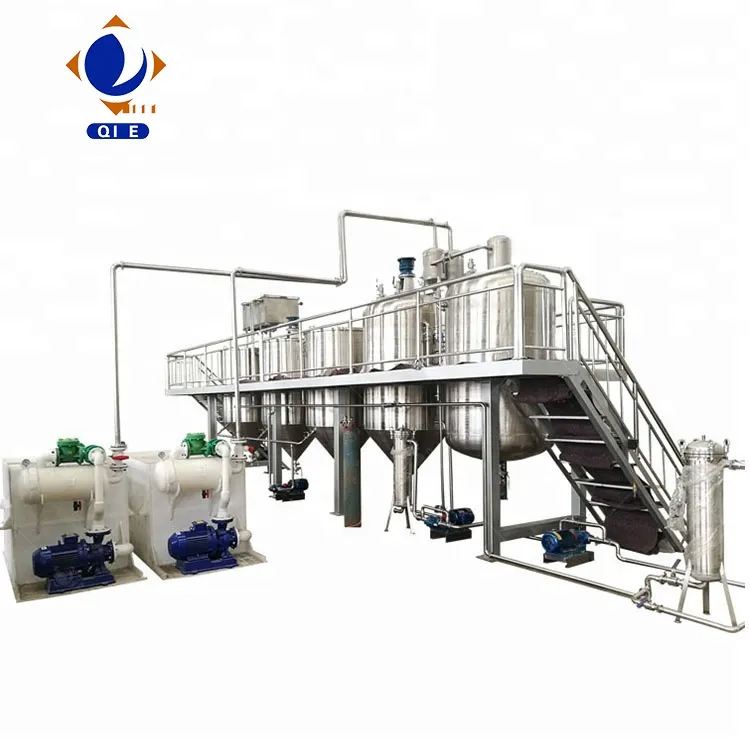
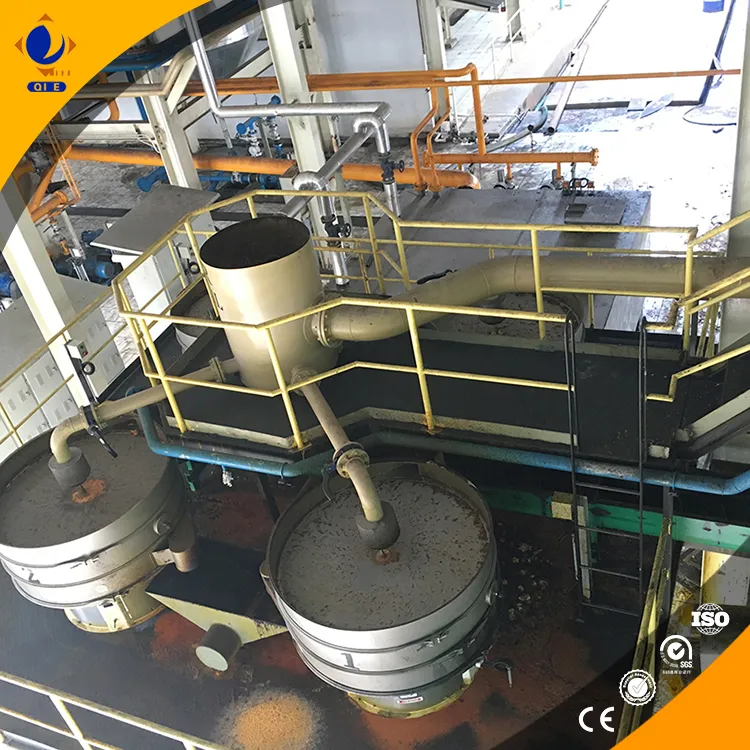
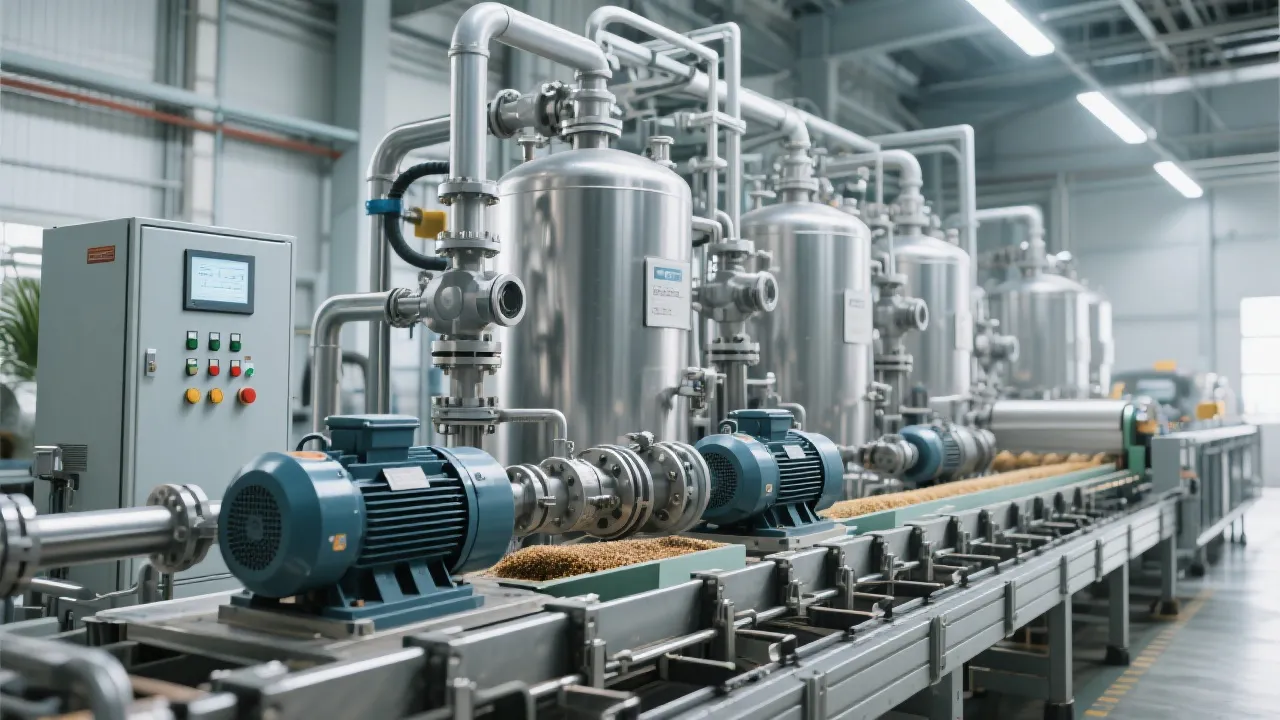
The palm oil industry in Southeast Asia is undergoing a transformative shift with the adoption of intelligent automation systems, particularly programmable logic controllers (PLC). These advanced systems are revolutionizing production by enabling real-time monitoring, optimizing operational parameters, and providing proactive fault detection. Export-focused companies are investing in automation to boost efficiency, reduce energy consumption, and maintain competitive advantage in a rapidly evolving global market.
PLC intelligent control systems serve as the nerve center of modern palm oil production lines. Their capability to automate complex tasks significantly reduces manual intervention and human error, leading to a 15-25% increase in throughput on average according to industry surveys. In addition to heightened efficiency, PLC systems enhance safety by continuously monitoring operational conditions and instantly triggering alarms or shutdowns during abnormal events, thus minimizing risks and equipment damage.
For example, automated temperature controls and pressure sensors integrated within PLC modules maintain optimal conditions throughout the extraction and refining stages, stabilizing output quality and reducing waste.
The three pillars of PLC control systems key to increased operational excellence are:
These features combine to lower the technical threshold for operation, empowering farm and small-to-medium processing plant managers to harness automation benefits without needing elaborate IT expertise.
A notable success story comes from a mid-sized processing facility in Malaysia that adopted a modular PLC-based automation kit. The system’s plug-and-play components enabled the installation team to complete setup in under three days — 40% faster than conventional integrated systems. This modular approach not only streamlined deployment but also facilitated easier scalability as production demand increased.
Furthermore, commissioning and testing were accelerated by standardized protocols embedded within the modules, shrinking the time-to-market and capitalizing on favorable export windows.
The integration of intelligent control systems yields an average 12% reduction in energy consumption by optimizing motor loads and pump operations in line with production demand. Key actionable strategies include:
These practices not only extend machinery lifespan but also ensure smoother production runs, critical for maintaining export commitments under tight schedules.
An analysis comparing pre- and post-automation metrics at three palm oil plants revealed:
| Metric | Before Automation | After Automation | Improvement |
|---|---|---|---|
| Energy Consumption (kWh/ton) | 850 | 750 | -11.8% |
| Unplanned Downtime (hours/month) | 14 | 6 | -57% |
| Production Yield (% of input) | 82% | 89% | +8.5% |
Source: Industry case study, Southeast Asia Palm Oil Processors Association, 2023
Targeting farm owners and small-to-medium palm oil factories, automation solutions address critical challenges:
Such improvements directly impact the export readiness of products, ensuring compliance with international quality standards and delivery timelines.
The palm oil sector in Southeast Asia navigates shifting export policies, sustainability mandates, and growing buyer demands for traceability. Automation equips enterprises with granular production data and system transparency—crucial for certifications such as RSPO and ISCC. Additionally, modular and upgradeable automation solutions allow swift adaptation to regulatory changes and market fluctuations, securing long-term operational resilience.
Unlock expert insights and upgrade your production for energy savings, fault prevention, and efficiency gains.
 palm oil refining equipment
automated oil processing machinery
grain and oil machinery export
international certified refining technology
high-capacity palm oil production
automatic palm oil processing equipment
small-scale palm oil production line
low energy consumption palm oil production
temperature control in palm oil processing
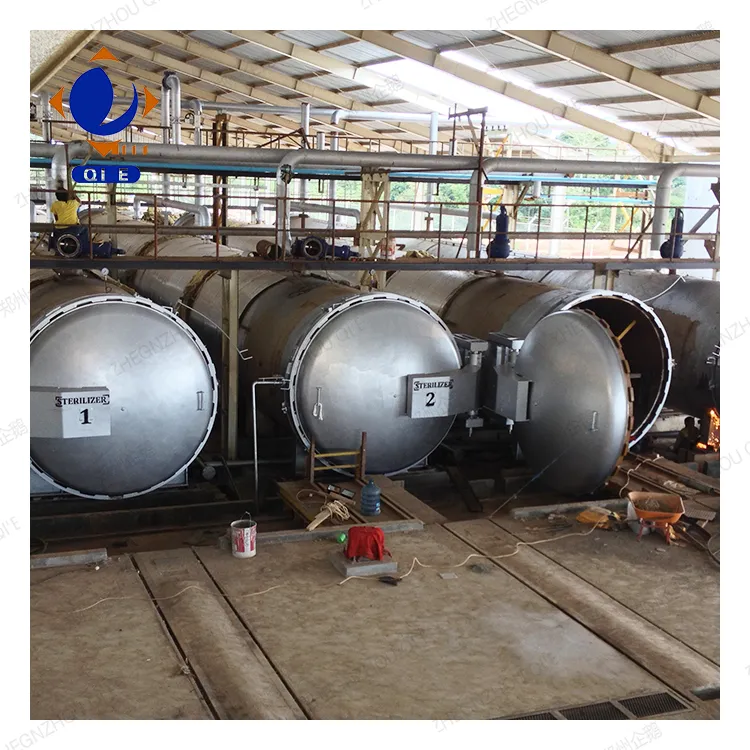
food safety sterilization technology
palm oil production line
Southeast Asian palm oil factory
hot and cold pressing technology
automated palm oil equipment
palm oil production troubleshooting
palm oil processing equipment
palm fruit processing technology
palm kernel oil extraction
automated palm oil production line
food safety sterilization system
palm oil processing equipment maintenance cost
automated粮油 processing equipment warranty
food-grade stainless steel machinery
long-term equipment reliability
energy-efficient oil processing system
palm oil refining equipment
automated oil processing machinery
grain and oil machinery export
international certified refining technology
high-capacity palm oil production
automatic palm oil processing equipment
small-scale palm oil production line
low energy consumption palm oil production
temperature control in palm oil processing
food safety sterilization technology
palm oil production line
Southeast Asian palm oil factory
hot and cold pressing technology
automated palm oil equipment
palm oil production troubleshooting
palm oil processing equipment
palm fruit processing technology
palm kernel oil extraction
automated palm oil production line
food safety sterilization system
palm oil processing equipment maintenance cost
automated粮油 processing equipment warranty
food-grade stainless steel machinery
long-term equipment reliability
energy-efficient oil processing system










.png?x-oss-process=image/resize,h_100,m_lfit/format,webp)
.png?x-oss-process=image/resize,h_100,m_lfit/format,webp)
.png?x-oss-process=image/resize,h_100,m_lfit/format,webp)