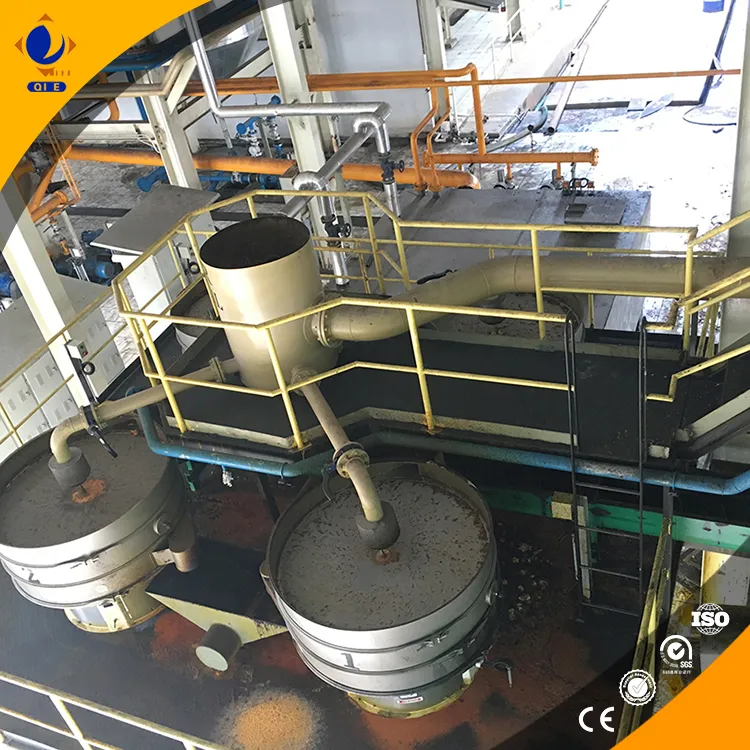
The palm oil industry remains a cornerstone of Southeast Asia’s agribusiness sector, contributing significantly to regional economies and global supply chains. In recent years, producers have shifted towards automated production lines to address labor challenges, optimize output, and meet stringent quality standards. This article explores practical insights into the construction of fully automated palm oil factories, focusing on key technologies, equipment selection, and process innovations that can dramatically improve oil yield and product consistency.
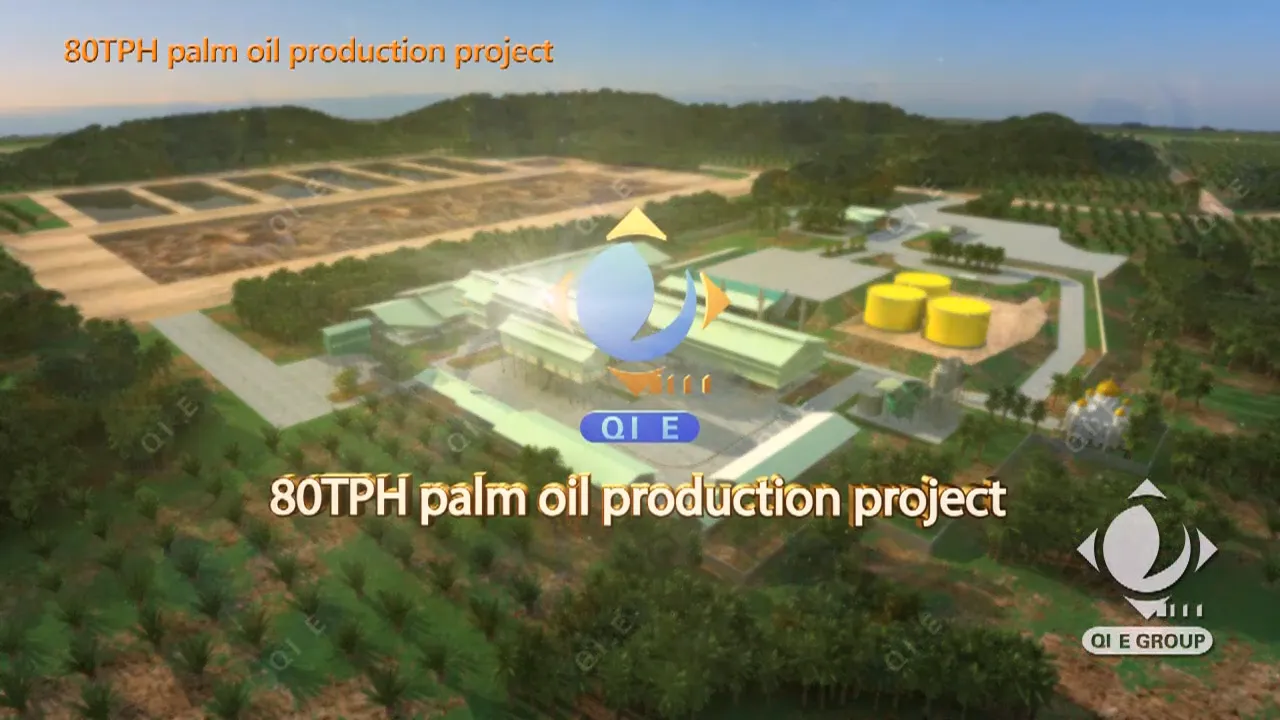
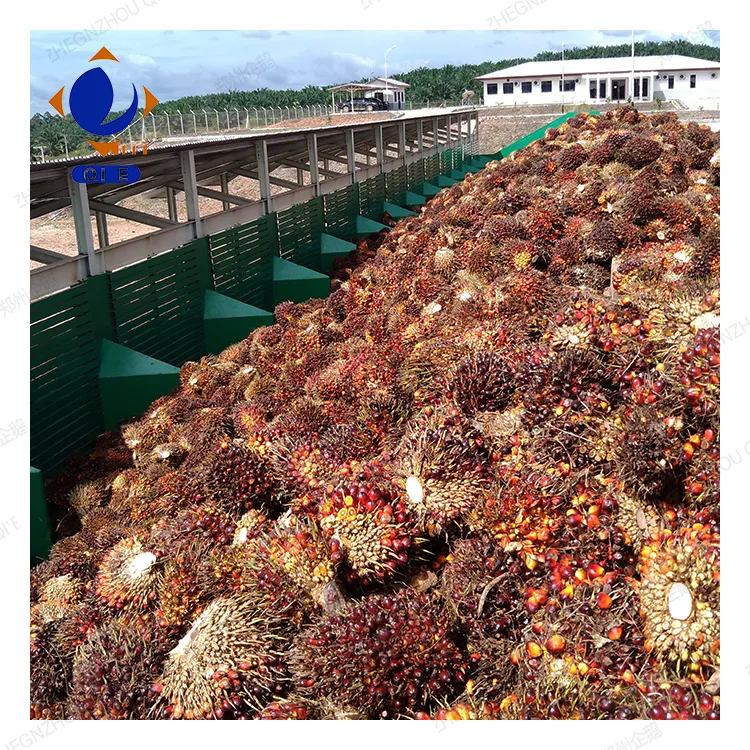
Selecting an ideal site for a palm oil factory is pivotal. Proximity to fresh palm fruit bunch (FFB) plantations reduces transportation time and limits fruit deterioration, which directly affects oil quality and quantity. Southeast Asia’s abundant palm plantations, particularly in Malaysia, Indonesia, and Thailand, offer strategic advantages for factory siting. Additionally, access to reliable utilities and logistical infrastructure facilitates seamless operations and distribution.
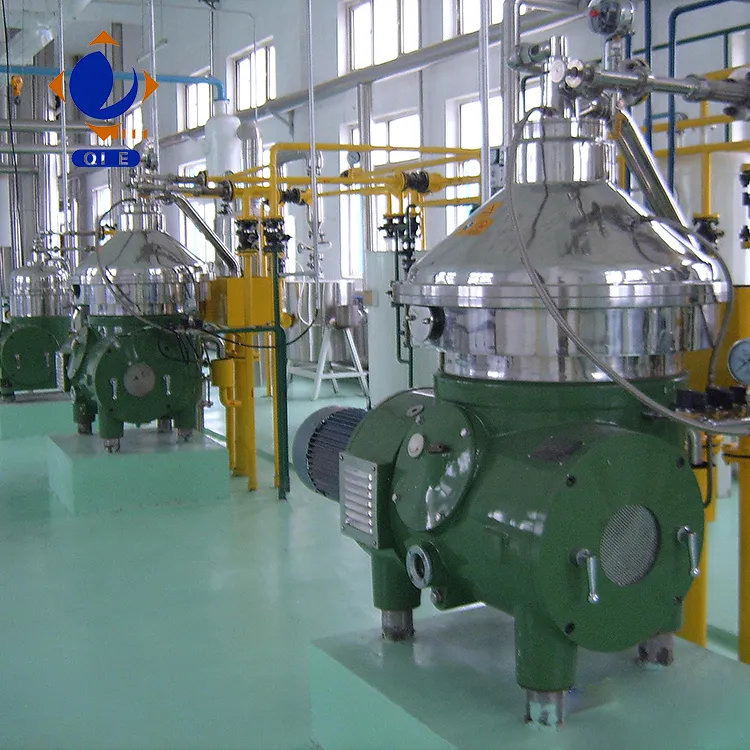
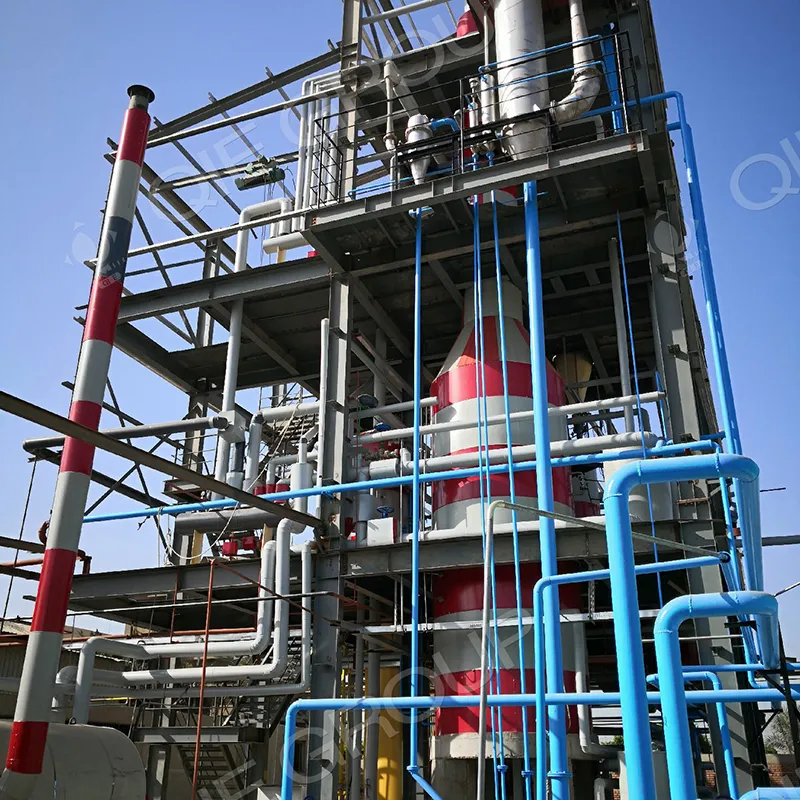
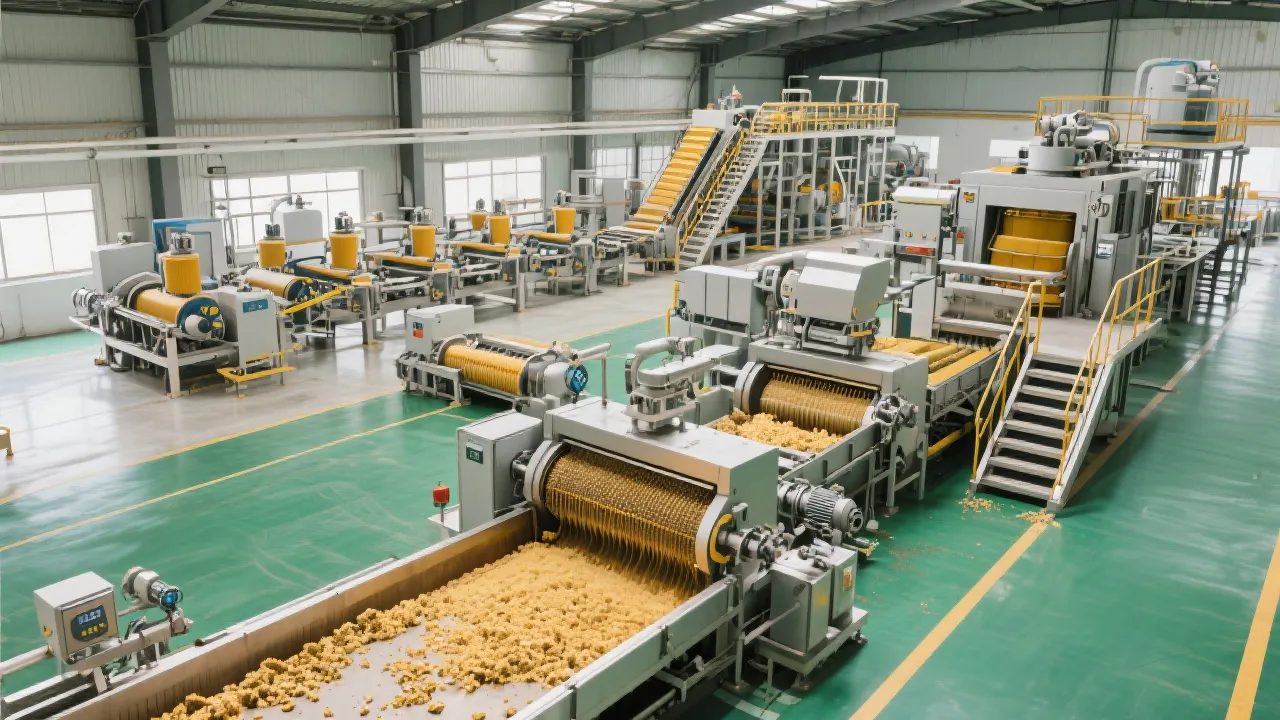
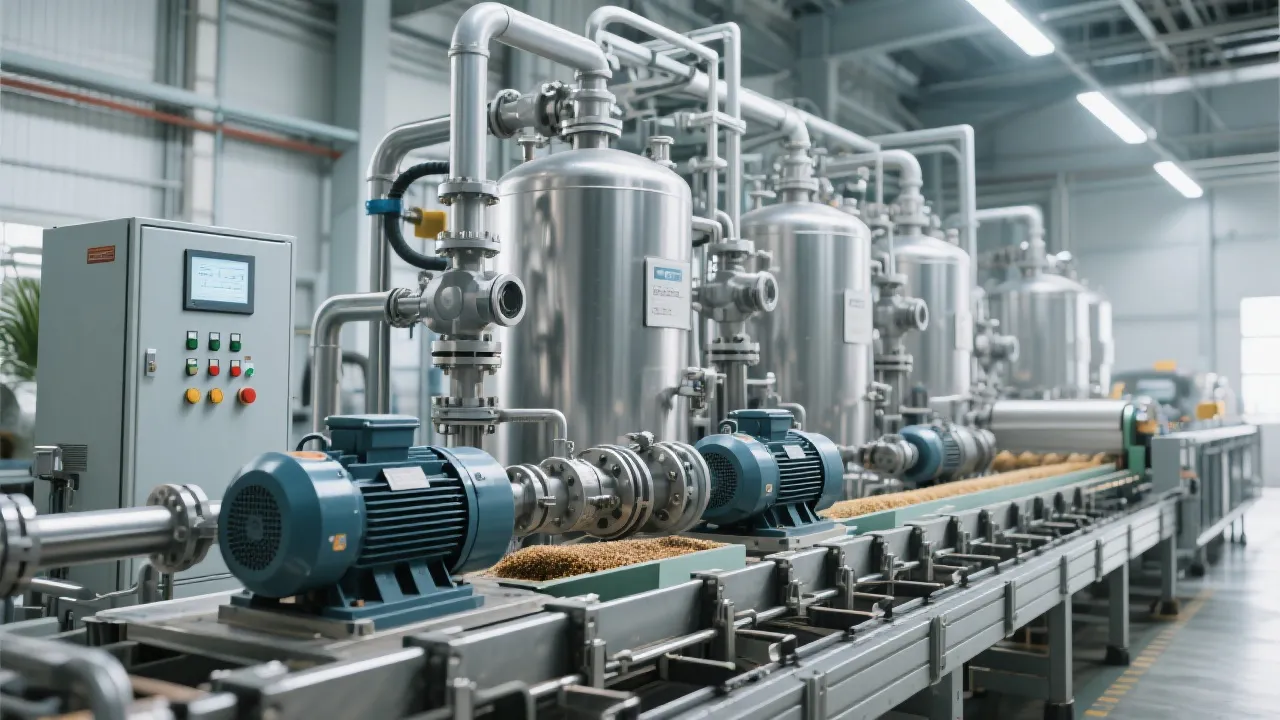
Automated palm oil production lines integrate multiple stages: sterilization, threshing, pressing, extraction, and refining. Penguin Group’s full-automatic palm oil lines exemplify this integration, embedding PLC (Programmable Logic Controller) intelligent control systems to synchronize operational flows. High-capacity presses employing both hot and cold pressing techniques ensure maximized oil extraction while preserving nutrient quality. Modern thermal sterilizers reduce enzymatic activity, mitigating oil oxidation while streamlining throughput.
Hot Pressing involves steaming the fruit bunches at approximately 130-140°C, loosening oil cells and enhancing yield, typically achieving extraction rates between 18% to 22%. This method suits producing crude palm oil for industrial applications requiring bulk output.
Conversely, Cold Pressing omits heat, maintaining the fruit's natural flavor and nutrient profile. Though yielding slightly less oil—around 15% to 18%—it caters to premium edible oil markets emphasizing quality and freshness. Implementing both methods within a production line allows flexible processing for diversified product portfolios including first-grade palm oil, secondary grades, and red palm oil.
Automation reduces manual intervention, cutting operational errors and labor costs by up to 40%, according to independent industry reports. PLC-driven systems continuously monitor parameters such as temperature, pressure, and pressing speed, stabilizing output quality throughout batches. Data analytics embedded in control software assist in predictive maintenance, avoiding downtime and extending equipment lifespan.
Incorporating real-time quality control through sensors detecting moisture and free fatty acid (FFA) levels facilitates compliance with food-grade standards. Automated filtration and drying processes ensure consistent oil purity, vital for consumer trust in food and cosmetic markets.
Modern palm oil factories address environmental concerns by integrating energy recovery units that capture waste heat from oil sterilization for pre-heating incoming fruit bunches. Water recycling systems reduce freshwater consumption by approximately 30%, supporting sustainable operations in ecologically sensitive zones. Additionally, bio-waste such as empty fruit bunch fibers is repurposed as biomass fuel, decreasing reliance on fossil energy.
Effective personnel training programs underpin the successful adoption of automated systems. Operators must understand the nuances of both the mechanical equipment and software interfaces to respond swiftly to alarms and deviations. Continuous education on GMP (Good Manufacturing Practice) and HACCP (Hazard Analysis and Critical Control Points) certification ensures products meet both food-grade and industrial standards, facilitating global market acceptance.
Leveraging big data from production lines helps identify bottlenecks and optimize pressing cycles. Implementing KPI tracking dashboards reveals average oil extraction yields, energy use per ton of FFB processed, and downtime patterns. Factories utilizing these insights can increase output by 10-15% annually while reducing waste margins.
 small scale palm oil processing
automated palm oil equipment
energy efficient oil extraction
modular palm oil production
food grade stainless steel in oil processing
palm oil refining equipment
automated oil processing machinery
grain and oil machinery export
international certified refining technology
high-capacity palm oil production
automated palm oil processing equipment
low energy consumption palm oil plant
palm fruit vs palm kernel processing
food safety sterilization in oil refining
ISO 9001 quality control in palm oil production
small-scale palm oil processing automation
energy-efficient palm oil equipment
food-grade stainless steel palm oil machinery
automated palm oil refining line
palm oil sterilization technology
palm oil processing equipment
palm fruit and kernel processing
oil refining technology
food-grade stainless steel machinery
automated palm oil production line
small scale palm oil processing
automated palm oil equipment
energy efficient oil extraction
modular palm oil production
food grade stainless steel in oil processing
palm oil refining equipment
automated oil processing machinery
grain and oil machinery export
international certified refining technology
high-capacity palm oil production
automated palm oil processing equipment
low energy consumption palm oil plant
palm fruit vs palm kernel processing
food safety sterilization in oil refining
ISO 9001 quality control in palm oil production
small-scale palm oil processing automation
energy-efficient palm oil equipment
food-grade stainless steel palm oil machinery
automated palm oil refining line
palm oil sterilization technology
palm oil processing equipment
palm fruit and kernel processing
oil refining technology
food-grade stainless steel machinery
automated palm oil production line







.png?x-oss-process=image/resize,h_100,m_lfit/format,webp)
.png?x-oss-process=image/resize,h_100,m_lfit/format,webp)
.png?x-oss-process=image/resize,h_100,m_lfit/format,webp)