

In the evolving landscape of agricultural processing, energy consumption remains a critical cost factor for small and medium-sized grain and oil mills, especially those handling palm oil. Drawing from over two decades of global trade and B2B marketing experience in the industrial equipment sector, I will dissect how the Pengiun Group’s fully automated palm oil processing machinery achieves tangible energy savings and operational cost optimization for these mills.
Traditional palm oil processing equipment typically relies on manual interventions, leading to uneven energy consumption and frequent maintenance bottlenecks. The introduction of automation brings precision control, reducing operational variability significantly. Industry benchmarks reveal that automated systems maintain energy consumption approximately 25% lower than conventional setups within the first year of deployment.
The Pengiun Group’s advanced automation integrates real-time sensor analytics and adaptive control loops that optimize motor speeds, pressure valves, and heating cycles — critical elements where inefficiencies traditionally spike energy draw.
| Parameter | Traditional Equipment | Pengiun Automated System | Improvement |
|---|---|---|---|
| Average Energy Consumption (kWh/ton) | 150 | 112 | -25% |
| Maintenance Frequency (per year) | 6 | 2 | -66% |
| Downtime (% Annual) | 8% | 3% | -62.5% |
One distinct factor enhancing reliability and cost control is the 36-month warranty on core components. This extended warranty period demonstrates confidence in product durability, specifically built on a robust warranty assurance system.
From a technical standpoint, the warranty covers critical elements such as precision gearboxes, main drive motors, and control modules — all prone to be the highest contributors to unexpected breakdowns. This warranty significantly reduces financial uncertainty for mills, lowering risk exposure from both direct repair costs and lost production time.
The warranty is also a proxy for manufacturing quality: Pengiun Group employs advanced CNC machining, laser cutting, and heat treatment protocols that extend component longevity well beyond typical industry lifecycles.
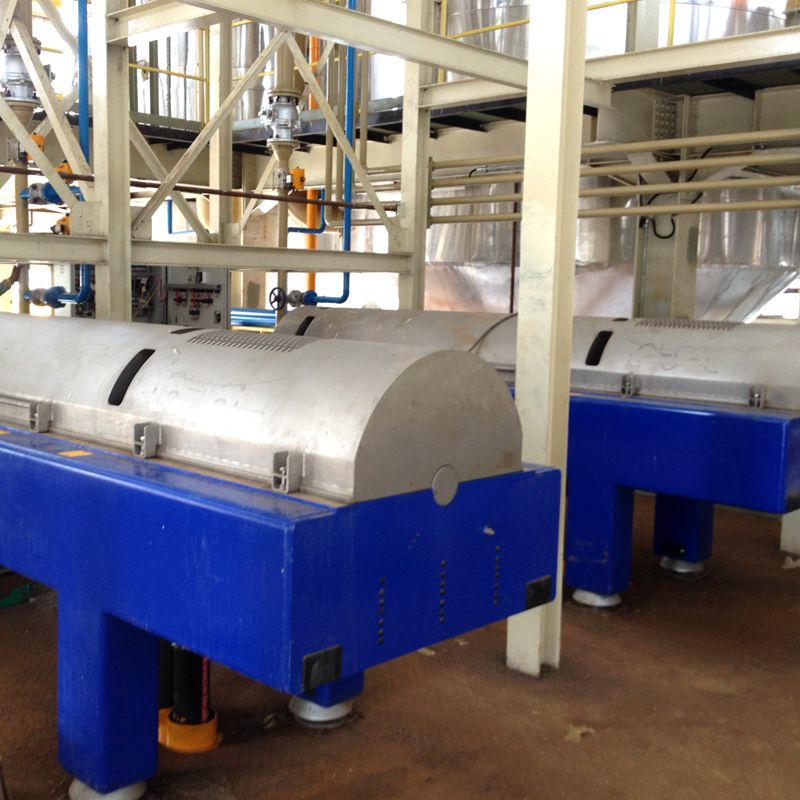
Efficient global servicing is essential to maintain low downtime rates, especially for overseas operators of automated palm oil equipment serving niche markets.
Pengiun Group’s expansive after-sales network includes strategically located service centers and certified technical teams across Asia, Africa, and South America. This network ensures rapid spare parts delivery and remote diagnostics support, shortening average breakdown repair windows from weeks to mere days.
For example, mills in Southeast Asia reported a 45% reduction in downtime incidents due to this proximity and expert service alignment. This level of responsiveness not only safeguards production continuity but also fortifies trust—the cornerstone for long-term technology adoption by mid-sized mills.
Consider a 120-ton/day palm oil processing mill in Malaysia that replaced traditional equipment with Pengiun’s automated system. The results after 18 months included:
This case underscores how automated energy-efficient equipment supports the dual goals of cost containment and operational resilience, vital for smaller players competing in tight-margin markets.

The durability promise rests on concrete manufacturing advances:
Cumulatively, these features decrease energy losses due to friction, misalignment, and leaks—common issues in older machines—which translates to the energy savings quantified earlier.
Industry Fact
Automated palm oil processing equipment with integrated energy management systems have delivered average annual savings exceeding 18% in energy expenditure for mid-scale mills across Southeast Asia over the past five years.
Our analysis stresses that energy efficiency and reliability, anchored by extended core warranties and supported by global after-sales, represent critical differentiators in equipment selection for grain and oil processors.
For decision-makers weighing CAPEX and OPEX, incorporating real-world data around maintenance frequencies, energy consumption, and downtime risk is essential to formulating a resilient procurement strategy that safeguards long-term profitability.





.png?x-oss-process=image/resize,h_100,m_lfit/format,webp)
.png?x-oss-process=image/resize,h_100,m_lfit/format,webp)
.png?x-oss-process=image/resize,h_100,m_lfit/format,webp)


