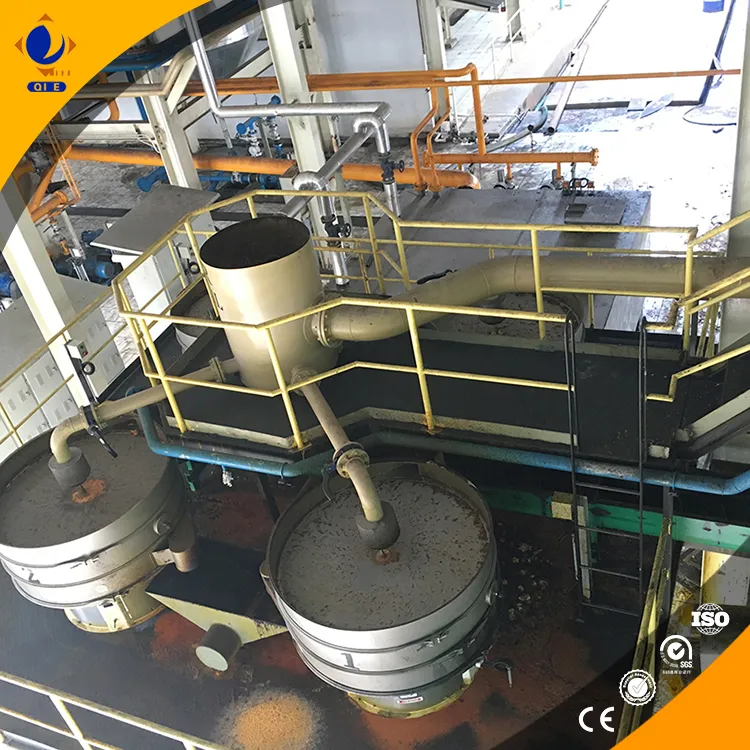
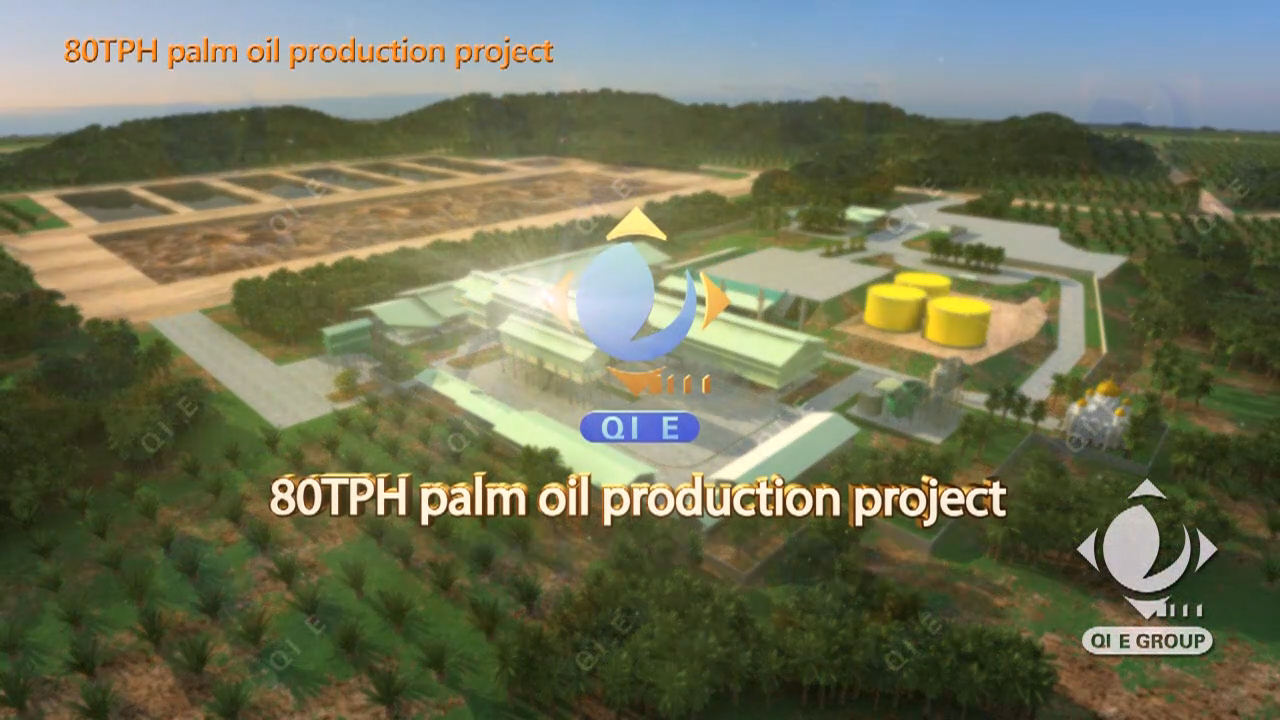
The palm oil industry in Southeast Asia continues to be a powerhouse for global oilseed production, accounting for approximately 85% of worldwide output. As demand for both food-grade and industrial palm oil grows, producers are increasingly prioritizing automated production lines integrated with sophisticated control systems to address stringent quality management standards. This analysis explores how automation improves quality assurance throughout the entire production workflow—from site selection and equipment configuration to pressing technologies—and highlights its economic and environmental benefits.
Optimal plant siting in regions with consistent fresh fruit bunch (FFB) supplies and access to reliable utilities directly influences operational efficiency and quality consistency. Location requires careful assessment of logistical costs, labor availability, and environmental compliance. Equipment selection prioritizes precision machinery capable of maintaining uniform extraction parameters. Modern presses and separators, compliant with international food safety certifications (ISO 22000, HACCP), support tighter tolerance controls.
Industry benchmarks suggest upgrading to automated dosing and filtration systems can reduce raw material wastage by up to 12% and energy consumption by 15%, translating into substantial cost savings.
The integration of cold pressing and hot pressing on a single automated line allows producers to tailor output quality to end-use specifications. Cold pressing preserves nutritional properties but yields lower extraction rates (~15-18%), whereas hot pressing achieves higher yields (~22-25%) but involves more energy-intensive processing.
Automation facilitates accurate temperature control and pressing pressure adjustments in real time, ensuring batch-to-batch consistency while maximizing throughput. This flexibility supports diverse product lines—ranging from premium edible oils to industrial fractions used in lubricants and cosmetics.
Automated control systems equipped with real-time sensors monitor critical quality parameters such as free fatty acid (FFA) content, moisture levels, and temperature at multiple stages. Implementing Supervisory Control and Data Acquisition (SCADA) platforms enables centralized supervision with immediate alerts on deviations, facilitating preventive interventions.
Data-driven adjustments reduce process variability by approximately 30%, enhancing product uniformity and extending shelf life. Furthermore, automation minimizes human error, a major contributor to operational risks, improving compliance with industry regulations and reducing downtime.
Energy-saving technologies embedded within automated lines, such as variable frequency drives (VFDs) and heat recovery units, contribute to a 20-25% reduction in electricity usage. Efficient waste treatment and emission controls ensure alignment with local environmental mandates, reducing carbon footprints and mitigating regulatory penalties.
These improvements support corporate social responsibility goals and appeal to increasingly eco-conscious global buyers, amplifying market competitiveness.
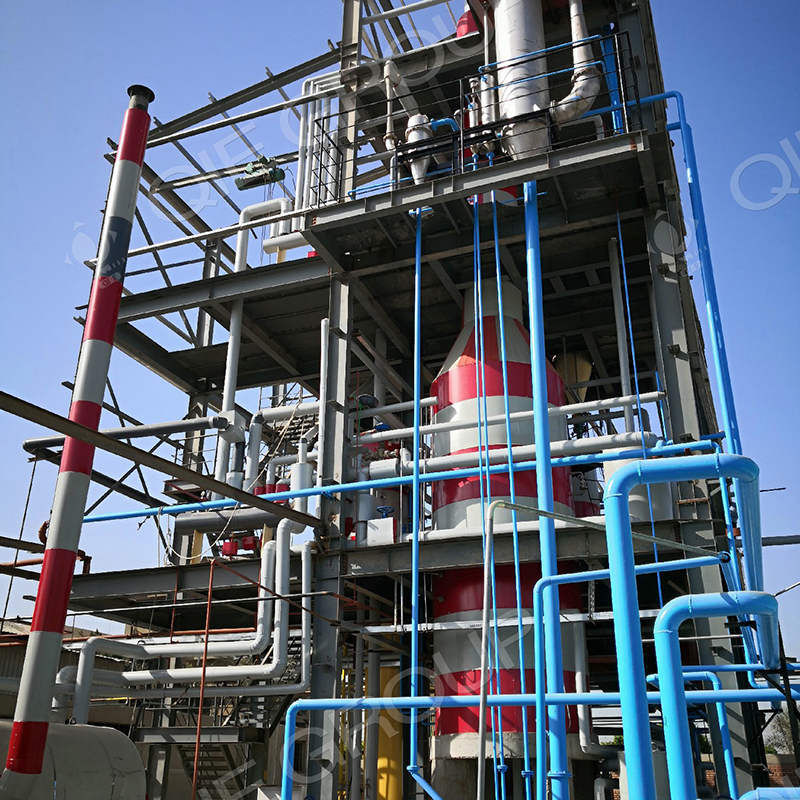
Automated production necessitates targeted training modules designed to elevate operator competency in system monitoring, troubleshooting, and data interpretation. Structured programs emphasizing both technical knowledge and quality standards ensure rapid adoption and sustained performance.
Feedback mechanisms integrated into training platforms foster continuous improvement, enhancing workforce engagement and reducing error rates by up to 18%.
Case studies from prominent Southeast Asian palm oil manufacturers reveal that introducing automation led to:
Moreover, resolving initial integration challenges required close coordination among engineering teams, process experts, and local management.





.png?x-oss-process=image/resize,h_100,m_lfit/format,webp)
.png?x-oss-process=image/resize,h_100,m_lfit/format,webp)
.png?x-oss-process=image/resize,h_100,m_lfit/format,webp)