
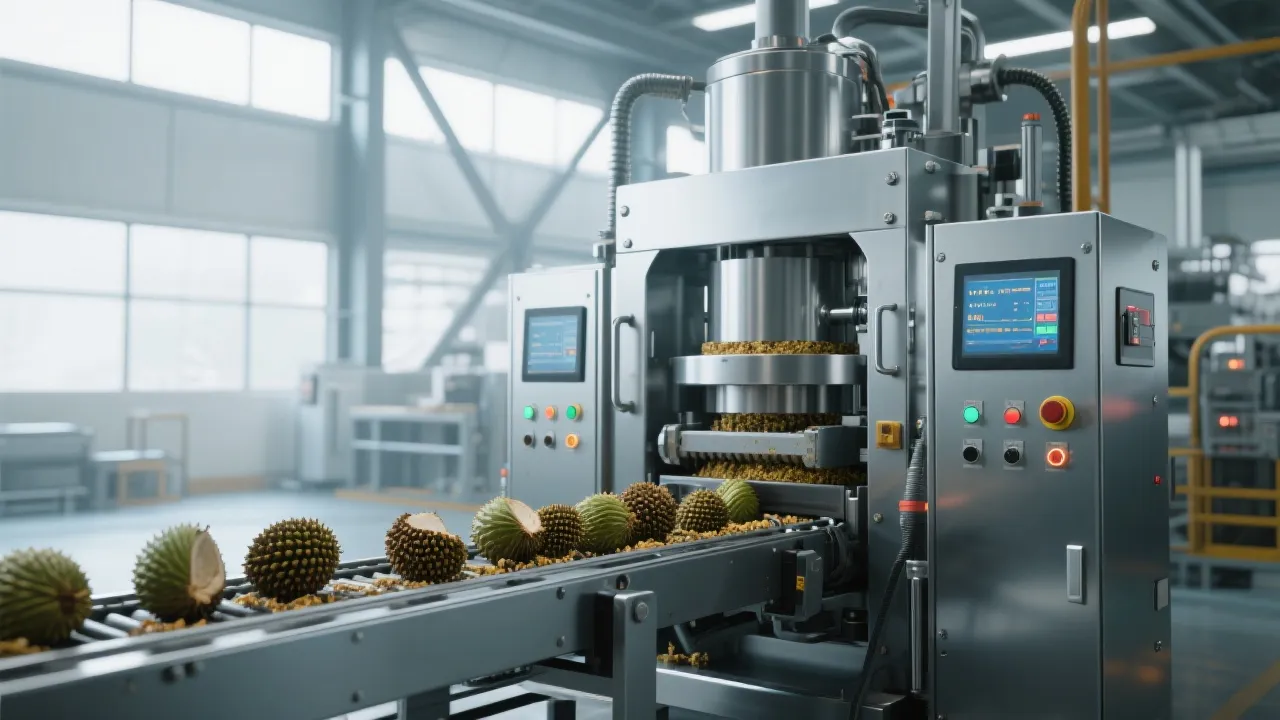
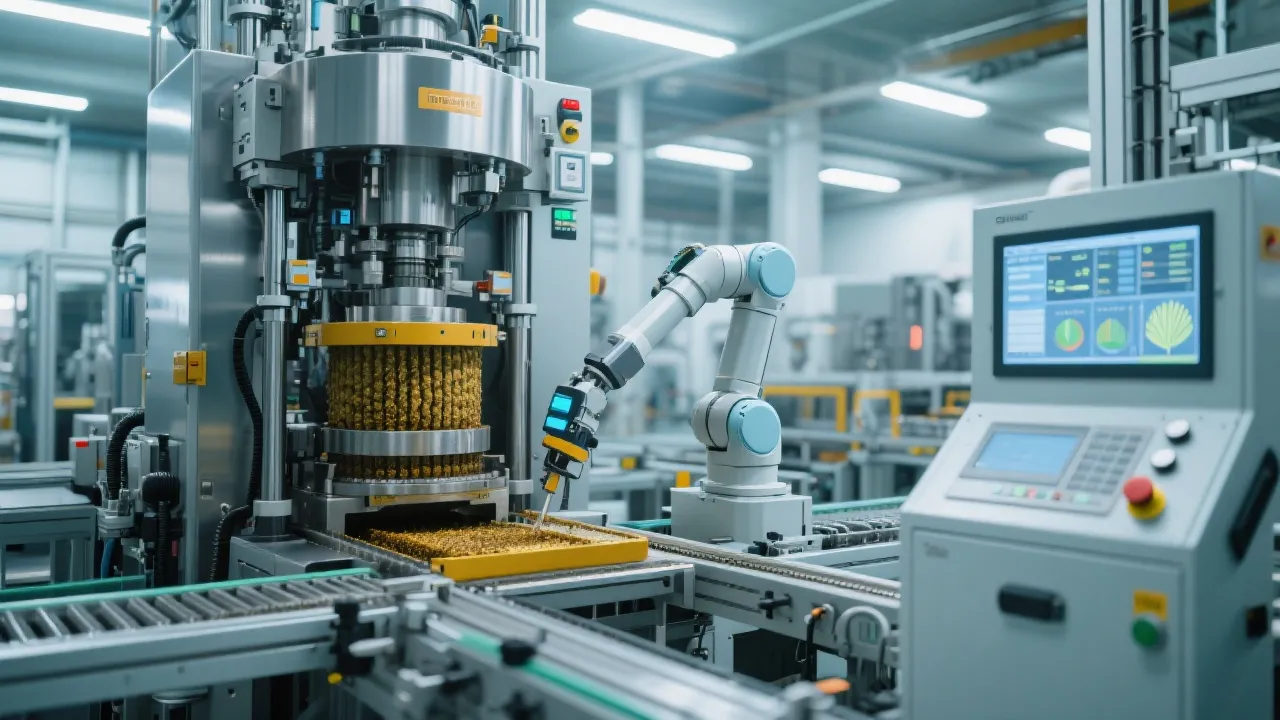
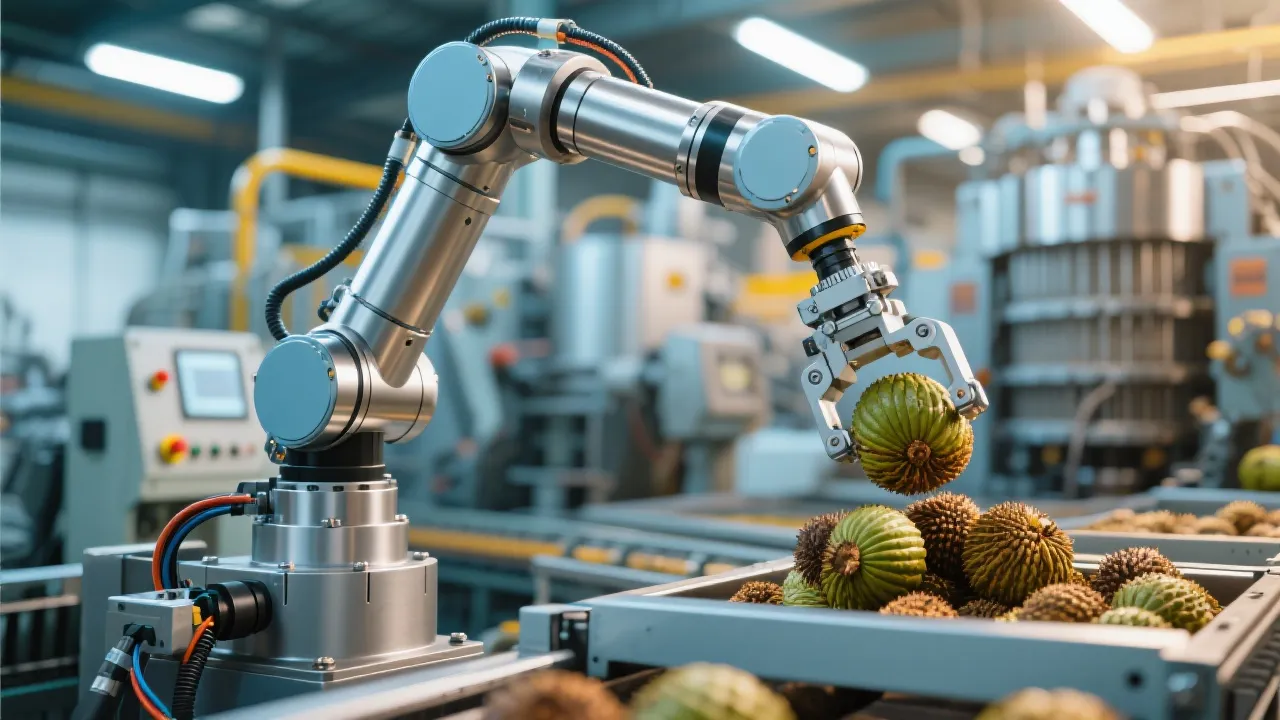
In the highly competitive food processing industry, food factories are constantly seeking ways to improve production efficiency and reduce energy consumption. The application of intelligent PLC control systems in palm oil processing has emerged as a promising solution, offering significant benefits in terms of oil extraction efficiency and energy savings.
Traditional palm oil extraction processes often face challenges in terms of high energy consumption and low efficiency. The use of intelligent PLC control systems can address these issues by optimizing the operation of various equipment and processes. For example, by precisely controlling the steam heating process, the system can ensure that the palm oil is heated to the optimal temperature, reducing energy waste and improving oil extraction efficiency.
One of the key advantages of the intelligent PLC control system is its ability to optimize the selection of core components. By using advanced sensors and control algorithms, the system can accurately monitor the performance of different components and make real-time adjustments to ensure optimal operation. This not only improves the efficiency of the extraction process but also extends the service life of the equipment.
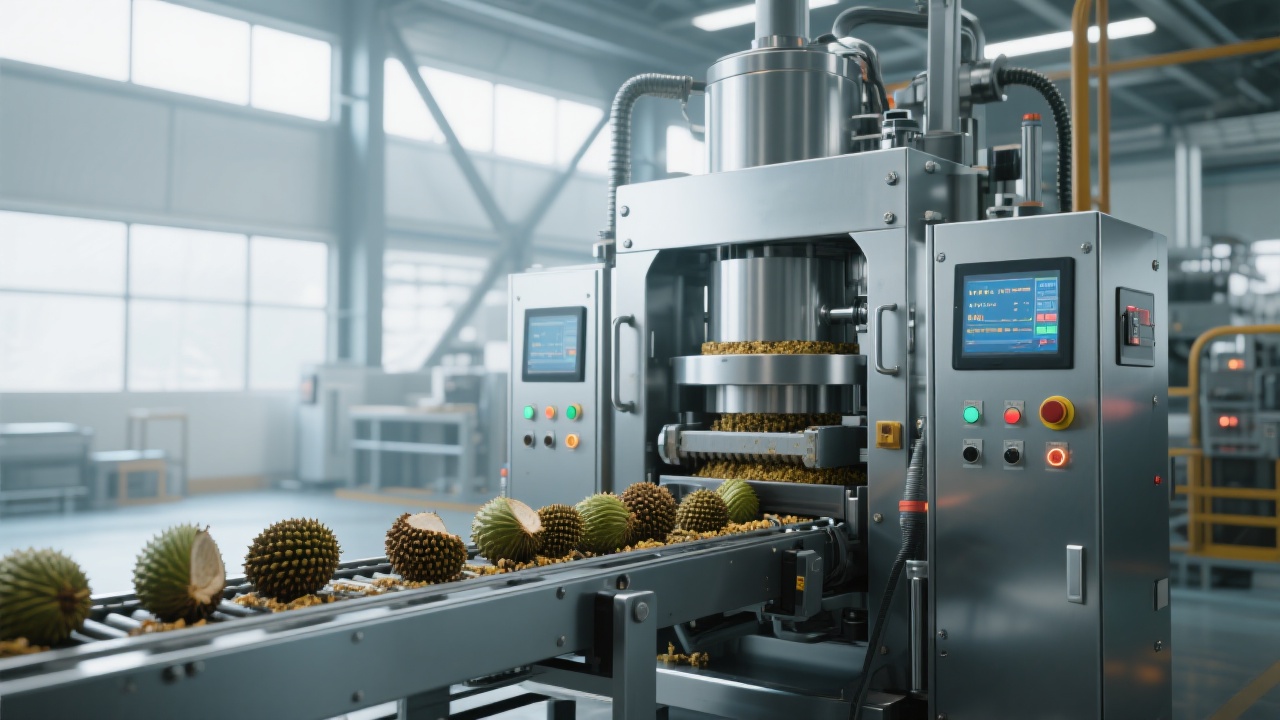
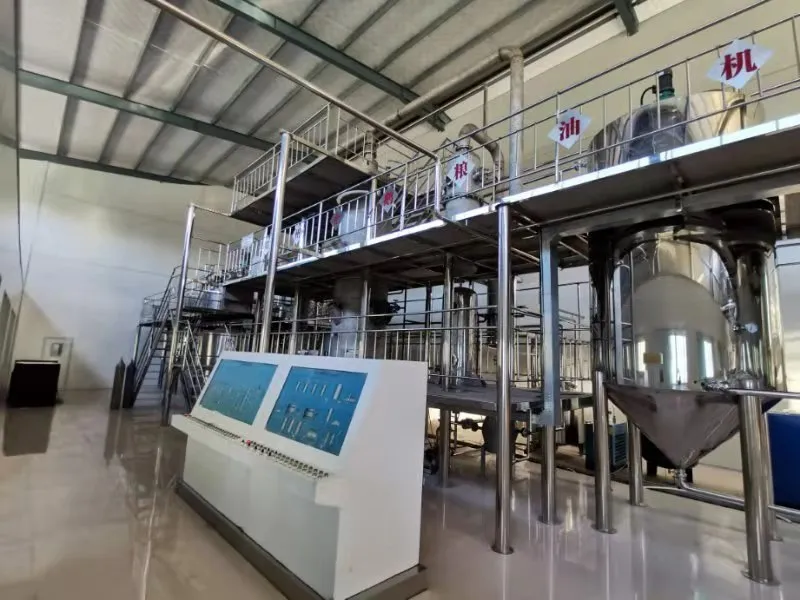
To achieve significant energy savings in palm oil processing, several key energy-saving technologies can be implemented. One such technology is the optimization of steam heating. By using advanced steam control systems, the amount of steam used can be precisely regulated, reducing energy consumption without sacrificing the quality of the oil extraction.
Another important aspect is the selection of high-efficiency equipment. For example, modern cold and hot pressing equipment can significantly improve the oil extraction rate while consuming less energy. Additionally, the use of advanced filtration and separation technologies can further enhance the efficiency of the extraction process.
According to industry data, food factories that have implemented intelligent PLC control systems and energy-saving technologies in palm oil processing have reported an average energy savings of up to 30% and an increase in oil extraction efficiency of up to 20%. These improvements not only result in cost savings but also contribute to a more sustainable and environmentally friendly production process.
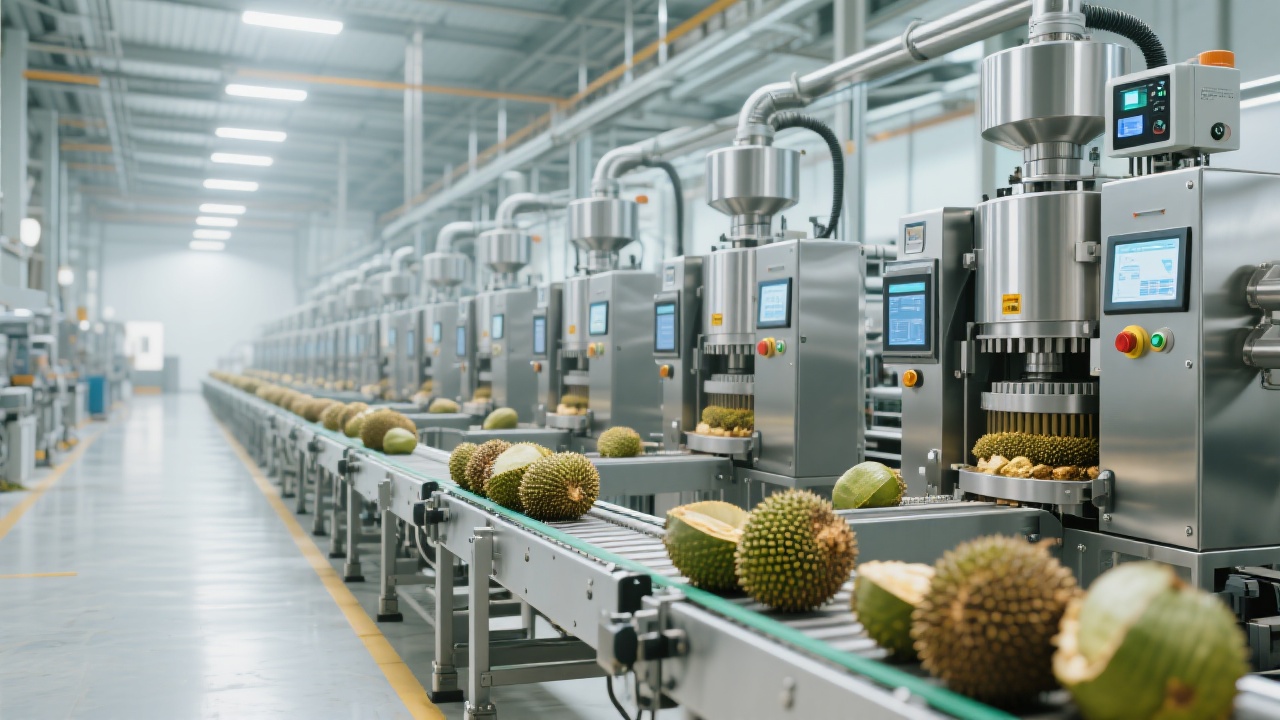
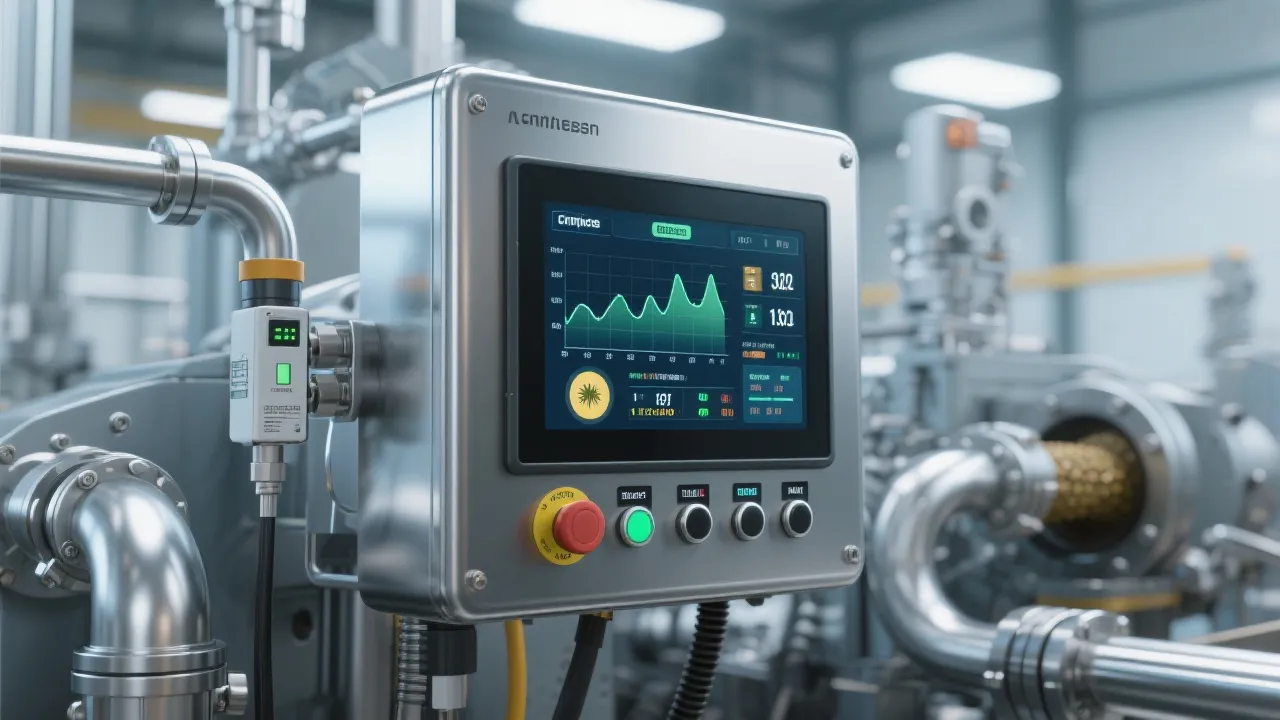
In addition to improving efficiency and energy savings, a robust quality management system is essential for ensuring the safety and quality of palm oil products. The intelligent PLC control system can play a crucial role in this regard by providing real-time monitoring and control of various production parameters.
For example, the system can monitor the temperature, pressure, and flow rate of the palm oil during the extraction process, ensuring that these parameters are within the specified range. This helps to prevent the occurrence of quality issues such as oxidation and contamination, ensuring that the final product meets the highest quality standards.
Moreover, the quality management system can also include regular inspections and testing of the equipment and raw materials. By implementing a comprehensive quality control program, food factories can ensure that their palm oil products are safe, high-quality, and meet the requirements of their customers.
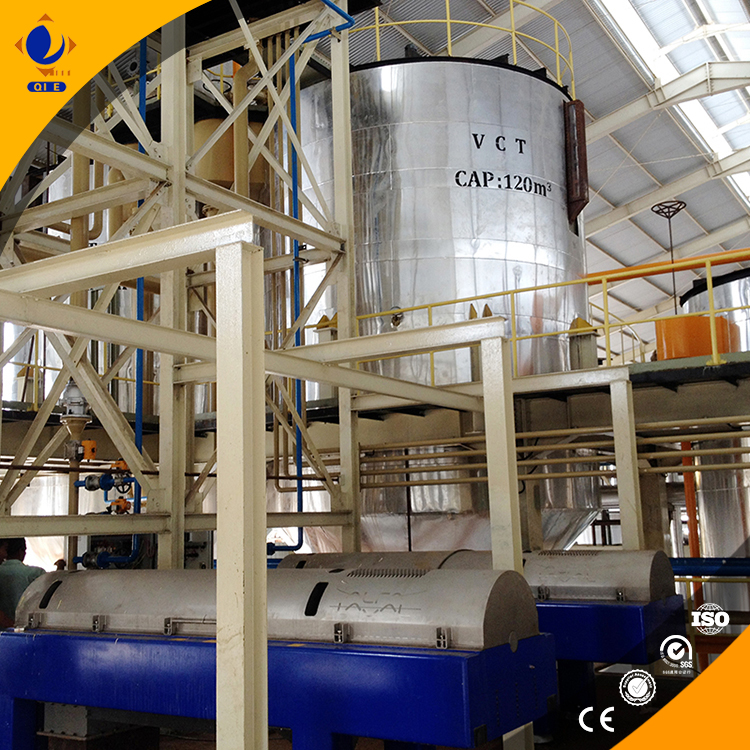
Overall, the application of intelligent PLC control systems in palm oil processing offers significant benefits in terms of improving efficiency, reducing energy consumption, and ensuring product quality. By implementing these technologies and systems, food factories can achieve sustainable growth and competitiveness in the global market.
 PLC smart control system
palm oil processing automation
energy saving methods
modular design
small scale palm oil plant
Industrial automation in kitchen cleaning
Intelligent cleaning tool design
Modular suction head structure
Anti - clogging filter technology
Remote technical support for efficiency improvement
integrated palm oil line
automated palm oil processing
palm oil refinery machine
southeast asia palm oil processing
custom oil extraction system
customized palm oil production line
integrated pressing extraction refining
CE certified palm oil equipment
ISO9001 palm oil machinery
automated palm oil processing
Palm oil cold pressing equipment advantages
Palm oil hot pressing process comparison
Oil extraction process optimization
Food factory energy - saving solutions
Cold and hot pressing equipment selection guide
PLC smart control system
palm oil processing automation
energy saving methods
modular design
small scale palm oil plant
Industrial automation in kitchen cleaning
Intelligent cleaning tool design
Modular suction head structure
Anti - clogging filter technology
Remote technical support for efficiency improvement
integrated palm oil line
automated palm oil processing
palm oil refinery machine
southeast asia palm oil processing
custom oil extraction system
customized palm oil production line
integrated pressing extraction refining
CE certified palm oil equipment
ISO9001 palm oil machinery
automated palm oil processing
Palm oil cold pressing equipment advantages
Palm oil hot pressing process comparison
Oil extraction process optimization
Food factory energy - saving solutions
Cold and hot pressing equipment selection guide








.png?x-oss-process=image/resize,h_100,m_lfit/format,webp)
.png?x-oss-process=image/resize,h_100,m_lfit/format,webp)
.png?x-oss-process=image/resize,h_100,m_lfit/format,webp)


